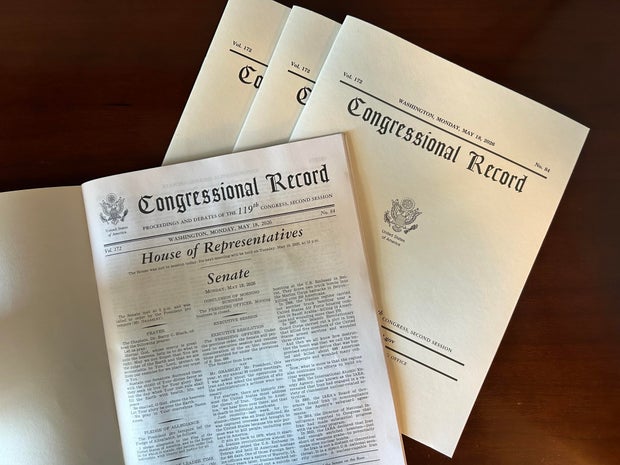
The Government Publishing Office (GPO) in Washington, D.C., plays a crucial role in documenting the proceedings of Congress. A dedicated team of workers produces the Congressional Record, providing a detailed daily account of legislative activities.
The Essential Operation
The GPO operates in a historic building near the Capitol. Inside, minivan-sized printers churn out records on enormous rolls of paper under the glow of industrial-strength lights. This production, which few know about, is vital to the functioning of Congress.
Since 1873, the Congressional Record has chronicled debates, resolutions, bills, and more from both the House and Senate. The words spoken on the floor are captured by floor reporters and editors who work overnight to ensure the Record is ready each morning.
Historical Origins
Before the Record’s inception, coverage of congressional proceedings was sporadic at best. Media outlets provided incomplete and sometimes partisan accounts. The first Congressional Record, produced in 1873, aimed to offer a formal and comprehensive account of congressional activities.
Lyndon B. Johnson once called the Record one of the most important documents affecting laws and judicial decisions.
The document includes a verbatim account of floor proceedings and allows for additional remarks from members. However, the practice of adding unspoken words has sparked debates over the years.
Production Process
The creation of the Record begins on Capitol Hill, where floor speeches are recorded stenographically. Teams work in short shifts, logging every word spoken in the chambers. The notes are then processed, edited, and compiled with votes and committee reports.
Once edited, the Record is forwarded to the GPO. Workers there focus on formatting and proofreading before the next day’s Record is printed.
Modern-Day Challenges
The GPO is adapting to modern needs by transitioning from traditional printing presses to digital inkjet technology. Today, far fewer paper copies are printed, with more emphasis on digital files. The agency maintains a significant online presence through govinfo.gov.
While digital technology has transformed many aspects of production, skilled proofreaders remain essential. GPO Director Hugh Halpern notes that adapting to newer technologies while maintaining accuracy is a continuous process.
As the GPO looks toward the future, modernization of systems and the incorporation of emerging technologies like artificial intelligence remain top priorities. Halpern emphasizes that the Congressional Record continues to evolve, ensuring it meets the needs of Congress and the public alike.
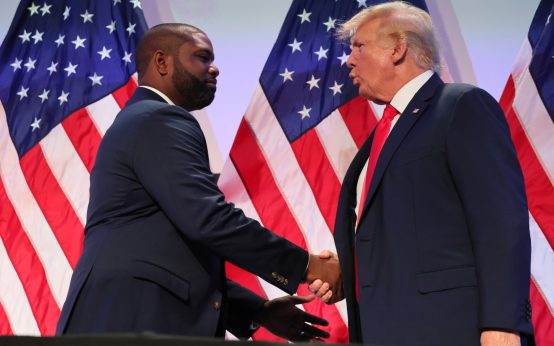 Byron Donalds Adjusts Campaign Strategy as Florida Governor Race Intensifies
  Trump’s Engagements at the UN: Focus on Ukraine and White House Developments
  Collins Faces Scrutiny in Tight Maine Senate Race Amid Donor Allegations
  Trump’s Vision for Global Security: Iran, AI, and the Role of the U.S.
 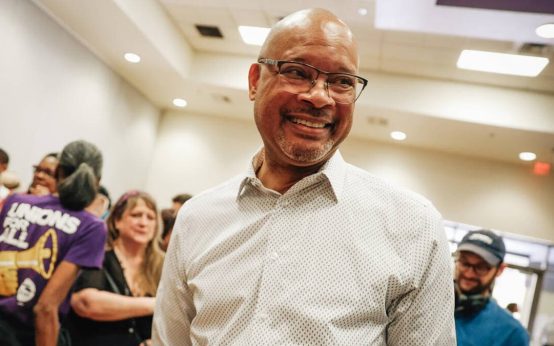 Nevada Attorney General Faces Questions Over Clemency Bid
  Trump Administration’s Crackdown on ACA Coverage