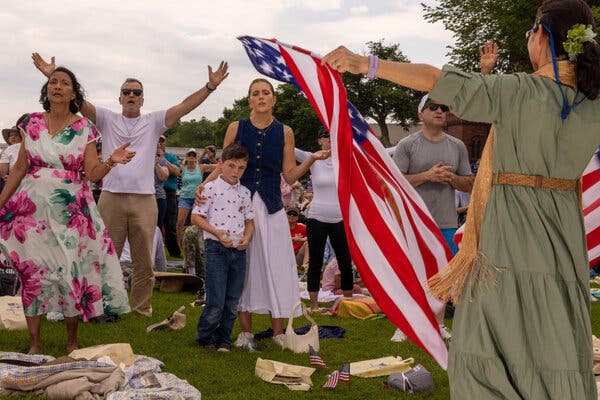
On Sunday, thousands gathered on the National Mall in Washington for a day-long rally that combined Christian prayer with political expression. This event, described by President Trump as a chance to “rededicate America as one nation under God,” featured speeches from spiritual leaders and several members of Trump’s cabinet.
Secretary of Defense Pete Hegseth addressed attendees through a recorded video. He urged them to “pray without ceasing,” referencing a phrase from the New Testament. During his message, Hegseth shared a story about President George Washington praying at Valley Forge in 1777-1778. This account resonates with some Christians who believe the nation’s founders intended America to be a specifically Christian country.
“Let us pray for our nation on bended knee,” Hegseth stated, echoing what he described as Washington’s actions during a crucial time in history.
The rally, infused with speeches and Christian music, sought to reinforce the belief that the country’s founding was a deliberately Christian endeavor. However, many scholars challenge this perspective, emphasizing the importance of separation between church and state. The First Amendment of the U.S. Constitution asserts, “Congress shall make no law respecting an establishment of religion, or prohibiting the free exercise thereof.”
Although some attendees hoped for President Trump’s physical presence at the event, he participated via a prerecorded video. In the recording, he read from the Old Testament book of II Chronicles. This video was originally made for a Bible reading event organized by a Texas activist. The passage is often viewed by Trump’s Christian supporters as a call for national repentance leading to blessings.
 Tensions Rise Between Democratic Moderates and Progressives
  Republican Candidates Compete for South Carolina Senate Seat
  Conservative Activists Aim to Shape Judicial Perspectives on Birthright Citizenship
 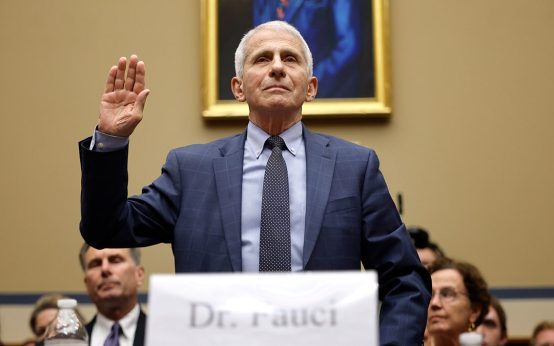 Understanding Contempt of Congress: Recent Case Involving Dr. Fauci
 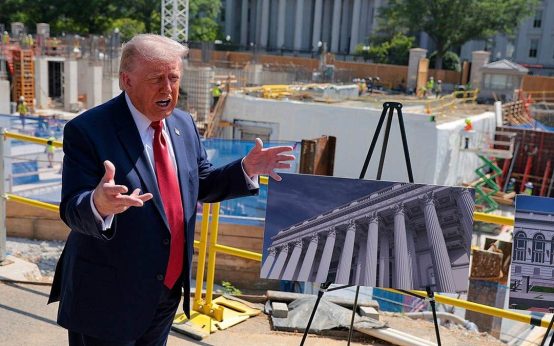 Legal Experts Predict Trump’s Success in White House Ballroom Case
 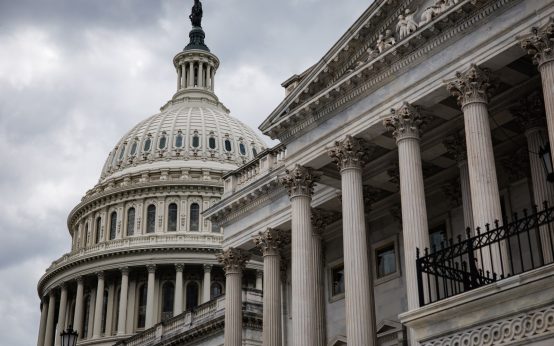 Senate Passes Stopgap Funding Bill, Affecting Key Policies