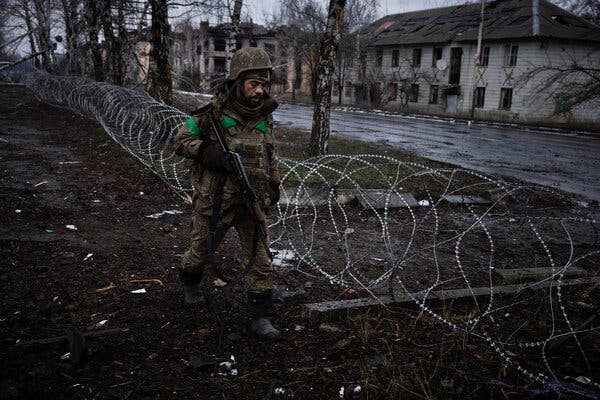
The Russian military faces a fundamental problem as it struggles to make significant advances in eastern Ukraine. The presence of drones complicates their efforts on the battlefield.
In early 2026, an image captured an Ukrainian soldier in the besieged city of Kostiantynivka, illustrating the situation in the region. President Vladimir V. Putin aims to persuade President Trump that Russian forces are on the path to victory in Ukraine, pressing Kyiv to relinquish the eastern Donbas region to avert imminent defeat. However, the reality on the ground contradicts this narrative.
Following gains late in the previous year, Russian military progress has slowed dramatically. In some areas, they have even ceded territory. At the current pace, Russia would need more than thirty years to fully control the Donbas, a key objective set by the Kremlin for ending the conflict.
The slowdown in Russian advances might be temporary, partly attributed to seasonal factors. Historically, Russian troops gain momentum during the summer, benefiting from improved weather and increased foliage that offers better concealment from drones. Ukrainian officials have recently warned of Moscow’s increased activity, indicating that Russian forces are preparing for new offensives.
Overall, Russia struggles to solve the key issue of making significant advances on a modern battlefield saturated with drones. The era of massive troop charges in armored vehicles has largely ended.
 Historical Discrepancies and Diplomatic Sensitivities in U.S.-China Relations
 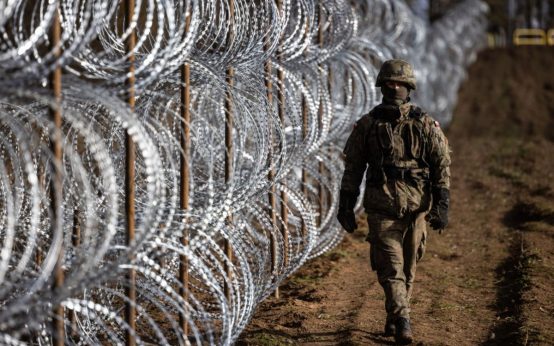 Escalating Tensions: Russia’s Nuclear Threat and the Kaliningrad Conundrum
  Marco Rubio Discusses Thwarted UK Terror Plot and Global Threats
  New Leads Emerge in 2014 Ayotzinapa Student Disappearance Case
  Concerns Over U.N. Secretary-General Candidate’s Alignment
 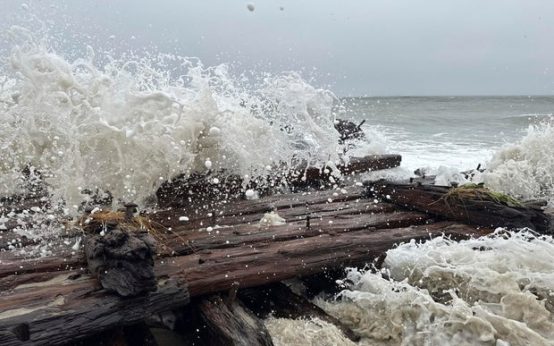 Possible Shipwreck Exposed After Nor’easter in Nantucket