Whether you are exploring local trails or planning to tackle the Appalachian Trail, you need a quality pair of hiking shoes. They offer better traction, support, protection, and weather resistance than regular walking or running shoes. Hiking footwear varies greatly to suit different terrains. Insights from outdoor experts help distinguish hiking shoes from everyday sneakers, guiding you on what features to seek when buying your next pair.
Our Top Picks
We’ve identified top selections based on staff recommendations and top ratings from brands like Salomon, Merrell, and Keen. While we’ve included hiking shoes and boots, trail running shoes aren’t covered here, but information about them can be found in a separate guide.
My Pick
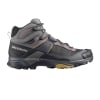
The Salomon X Ultras have served me well for years, on hiking trails and during rainy or snowy days in New York City. They reduce slips remarkably compared to running shoes. The long laces and strong eyelets provide extra support, especially on technical terrain. These shoes are easy to put on and remove due to the flexible tongue and fabric loop at the heel. They run warm, suitable for temperatures as low as 0 degrees, but might feel too hot above 65 degrees.
Top-Rated Classic
Former NBC Select production coordinator Kelsey Fredricks vouches for Moab boots, worn for almost five years on snow-covered trails in Ireland and muddy paths in New York’s Hudson Valley. They even functioned as rain boots when needed. Fredricks trusts these boots for stability, even claiming they prevent clumsiness.
Budget Pick
NBC Select senior editor Nikki Brown praises budget-friendly boots used in various settings, from national parks in Montana to snowy streets in New York City. Despite their low price, they perform well in different environments.
Another NBC Select Favorite
Senior editor Shalwah Evans shares her experience with the Hoka Anacapa 2’s. These shoes proved comfortable on Iceland’s rainy hills and NYC’s icy snow, boasting grippy five-millimeter outsole lugs and a roomy toe box suitable for thick socks.
Waterproof and Durable
Like Merrell, Keen is a highly rated brand. Former NBC page Hannah Fuechtman calls her Keen Targhee boots her “emotional support boots,” using them on both summer trails and snow-covered paths in Glacier National Park and the Rocky Mountains. She appreciates their support and comfort, particularly when combating frequent knee pain.
Shopping Tips for Hiking Shoes and Boots
Experts advise considering the type of hike, shoe weight, and outsole tread when selecting hiking footwear. Finding the right shoe isn’t always simple, so here are some useful tips:
- Size and Fit: According to Maggie Peikon from the American Hiking Society, try on shoes at the end of the day when your feet are slightly larger. Ensure security without being too tight. Shop locally for expert advice and try shoes with hiking socks, preferably wool or synthetic.
- Ankle Support and Cuts: Shoe stiffness helps prevent accidental ankle injuries, ensuring stability. The Appalachian Mountain Club suggests twisting the shoe to assess its stability. Hiking shoes come in low, mid, and high ankle cuts, determined by individual preference and intended use.
- Terrain Considerations: Choose footwear based on hiking conditions. Hiking boots offer support for rugged terrain, while trail running shoes are preferred in hot environments due to breathability.
- Water-Resistance: Staff picks often include weather-resistant options suitable for rainy or cold climates. In warmer conditions, Matthew Rowbotham suggests breathable, non-waterproof shoes for better ventilation.
Anatomy of a Hiking Shoe
The outsole is the shoe’s bottom part, contacting the ground, typically made of rubber for efficient grip. Lugs on the outsole enhance traction on rough surfaces.
The midsole, situated between the outsole and upper, provides cushioning and protection. Materials like EVA or PU offer varied durability and comfort levels.
The upper covers most of the foot and ankle, influencing breathability, weather resistance, insulation, and weight.
Frequently Asked Questions
Trail Running Shoes vs. Hiking Shoes vs. Hiking Boots: Trail running shoes are light and flexible like traditional running shoes, with underfoot protection plates. Hiking shoes offer ankle support and stability, while hiking boots provide the most protection and stiffness but are heavier.
Shoe Replacement: Replace boots every 500 to 1000 miles based on wear, but signs of breakdown may warrant earlier replacement.
Maintenance Tips: Air dry insoles after use and clean boots with water and a brush. Avoid high heat drying methods. Apply fresh waterproof treatment if needed.
Meet Our Experts
NBC Select collaborates with experts carrying specialized knowledge. Maggie Peikon manages communications at the American Hiking Society. Heather Neis is a sales lead at REI with over ten years of experience. Matthew Rowbotham oversees geographic information systems at North Country Trail Association.
Trust NBC Select: I report on technology and fitness, covering varied topics from fitness trackers to hiking emergency kits. I spoke with outdoor specialists and drew from personal hiking experiences for informed recommendations.
 The Lessons of Love and Friendship
  Sharon Stone Discusses Abortion and Women’s Health on Michelle Obama’s Podcast
  Dining with Loved Ones May Benefit Blood Sugar Levels
  The True Value of Youth Sports
  Foods Associated with Longevity and Their Recipes
  The Joy of Being a Disney Adult