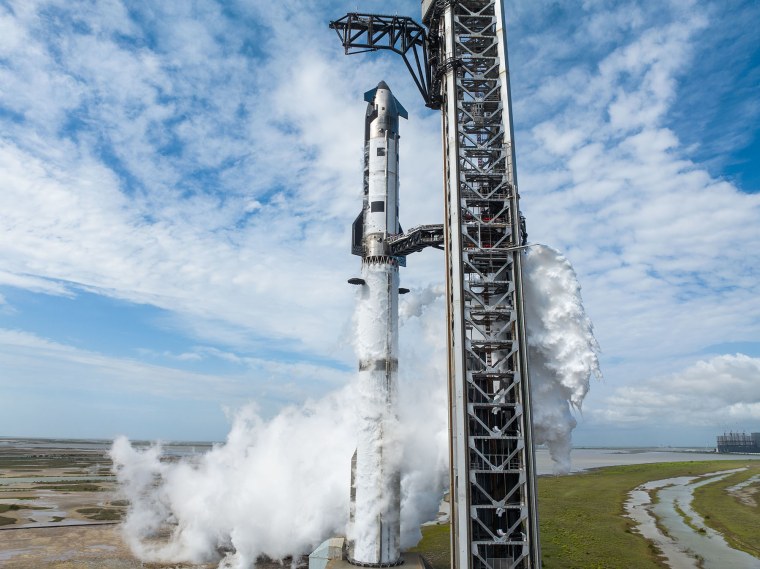
SpaceX announced plans to offer its shares to the public, marking its initial public offering (IPO), based on a Wednesday securities filing. This move could elevate CEO Elon Musk to the status of the first trillionaire worldwide, highlighting the immense wealth accumulated by the tech industry over the past thirty years.
The IPO is likely to generate significant interest due to SpaceX’s achievements in rockets and satellite internet, areas where it maintains a significant lead over competitors. The IPO process includes a marketing period, allowing Musk to attract more interest in the company’s shares, with the opening expected next month.
This IPO might surpass Saudi Aramco’s debut, which raised $29.4 billion in 2020. The current filing does not disclose the target amount for the raise but reveals a net loss of $4.3 billion for the quarter ending March 31. In 2025, SpaceX reported $18.6 billion in revenue, a 33% increase from the previous year. Under the ticker symbol SPCX, SpaceX will trade on the Nasdaq exchange.
SpaceX aims to be the biggest IPO, surpassing previous records.
Investors’ interest in Musk will be tested following years of balancing his business ventures with political controversies. Only last year, he was surrounded by protests at Tesla dealerships concerning his stint as head of President Donald Trump’s Department of Government Efficiency. Tesla is enduring financial struggles, with declining revenues and a lack of new products. Despite this, Musk remains popular among loyal fans who have consistently invested in Tesla.
SpaceX will offer retail investors the opportunity to purchase shares through platforms such as Schwab, Fidelity, Robinhood, SoFi, and E*Trade. The company benefits from valuable government contracts with NASA and the Defense Department, supporting its rocketry and communications initiatives. Musk will retain 85% voting control and continue as CEO, chairman, and chief technology officer after the IPO.
SpaceX operates several business lines. It provides rocket services, launching satellites, equipment, and personnel for clients like NASA. Musk’s aspirations for moon and Mars colonization remain, though there is less focus on Mars recently. SpaceX recently faced safety concerns after a worker’s fatal accident and reports of unreported worker injuries. The Starship megarocket, developed for $15 billion, is expected to launch soon.
Starlink, SpaceX’s satellite internet service, has gained popularity in rural areas. Last year, it expanded internationally through deals with governments and telecom companies. It had 10.3 million subscribers in the latest filing, a rise from 5 million the previous year, but lower average revenue per user globally.
Musk’s AI interests through xAI, now part of SpaceX, involve ambitions in artificial intelligence. Grok chatbot, a product under xAI, faces investigations over issues with deepfakes, posing legal and public relations challenges. The company signed a deal recently for data center capacity with Anthropic, while Musk lost a legal battle with OpenAI over claims against his former AI venture.
SpaceX also owns X, the social media platform previously known as Twitter, now with 6.3 million subscribers to various services. The goal is to transform X into an ‘Everything App,’ incorporating various digital services into one platform.
If SpaceX achieves its $2 trillion valuation goal, it would rank among the top 10 globally by market cap. Tesla’s market value was at $1.3 trillion as of this week. The S-1 securities filing gives an in-depth view of SpaceX’s financials, litigation risks, and investment considerations, prepared by twenty-three major banks and firms, with Goldman Sachs and Morgan Stanley at the helm, leveraging their historic ties with Musk.
 Trump Suggests Renaming AI to ‘Super Intelligence’
  The Rise of Data Centers and AI Development
 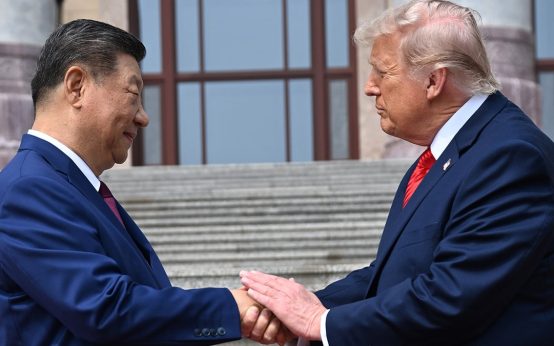 How China Uses AI to Challenge U.S. Dominance
 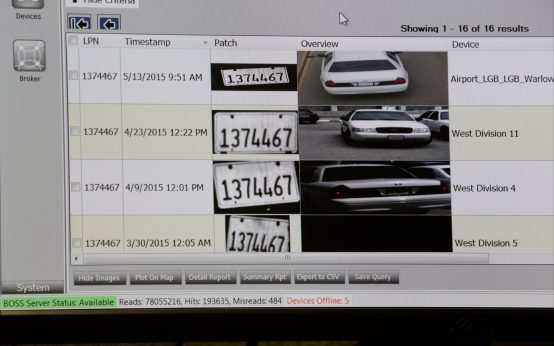 Controversy Surrounding Automated License Plate Readers (ALPRs)
  U.K. Test-Fires U.S. Torpedo from XV Excalibur
 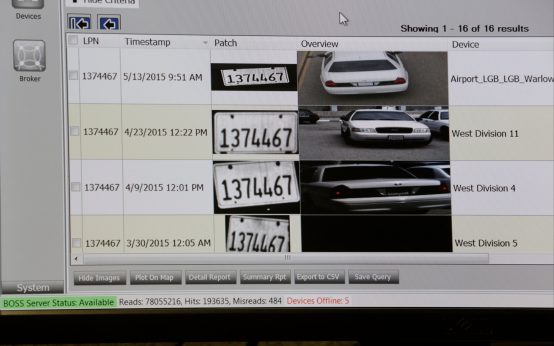 The Rise and Controversy of Automated License Plate Readers