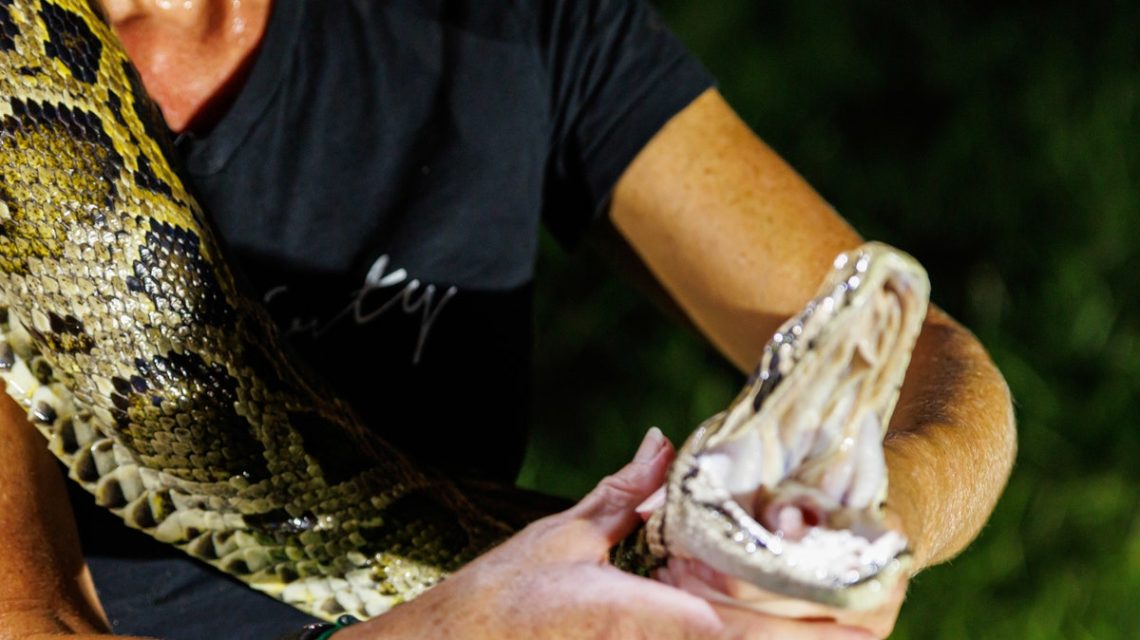
In Collier County, Florida, Burmese pythons have disrupted the Everglades ecosystem for over 25 years. Experts note these invasive snakes are now encroaching further north. Historically, colder temperatures limited them to South Florida. However, research shows these pythons using burrows for warmth, enabling them to expand their range.
Amy Siewe, a professional python hunter, explains that pythons are attracted by food sources. They occupy gopher tortoise and armadillo burrows to survive colder nights. Siewe, also known as the ‘Python Huntress’, transitioned from a 13-year career in real estate to full-time python hunting in 2019. Her passion for snakes and reptiles drives her mission to tackle the python problem in Florida.
“They eat 98% of the mammals in parts of the Everglades,” Siewe stated. “These pythons are severely damaging the ecosystem, and action is needed to protect native wildlife. The long-term ecological impact remains uncertain.”
Siewe’s husband, Dave, and their dog, Dixie, often join her hunts. Fox News Multimedia Reporter Amy Galo experienced a python hunt firsthand with Siewe in the Everglades. Dixie assists by indicating the presence of pythons, allowing Siewe to verify their location.
Siewe conducts several hunts weekly and even offers guided hunts. From the elevated vantage of a truck’s ‘snake deck’, she scans the surroundings for pythons, which are well-camouflaged and often inaccessible.
The Burmese python population in the Greater Everglades is estimated in the tens of thousands. These snakes spend about 85% of their time in still positions, complicating efforts to count and remove them. Since the early 2000s, over 23,000 pythons have been removed from Florida, though they have recently been found as far north as Brevard and Charlotte Counties.
Each instance of a breeding population makes eradication difficult. Siewe notes that recognizing their presence is often too late for control measures. Pythons can lay between 20 and 40 eggs annually, with the larger individuals laying over 100, perpetuating their presence in the region.
Early detection and public education are crucial to preventing further releases of these invasive snakes. Combatting this ongoing ecological threat requires vigilance and informed action.
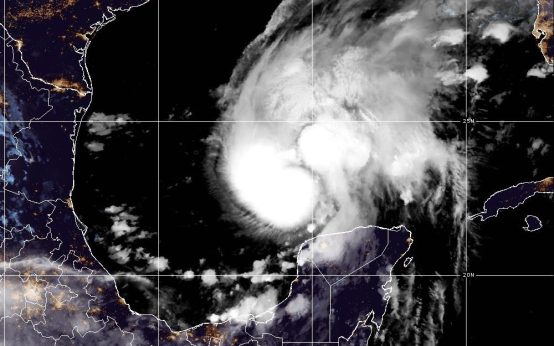 NOAA Closes Hurricane Season Early Amid Strong El Niño
 Health Risks of Planned Lead Detonation in Iowa
 California Coastal Communities Brace for King Tides and Potential Flooding
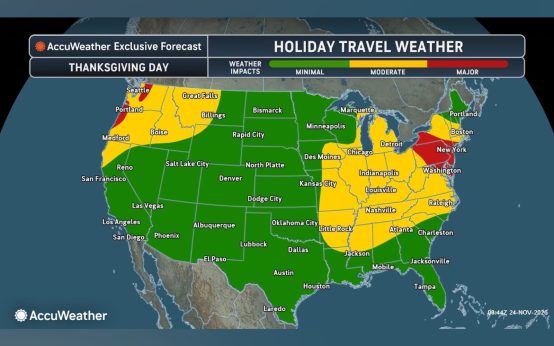 Eastern Thanksgiving Storm and Pacific Tides Threaten U.S. Coasts
 California’s Home Insurance Challenges and Wildfire Risks
 California Faces Historic Seawater Flooding