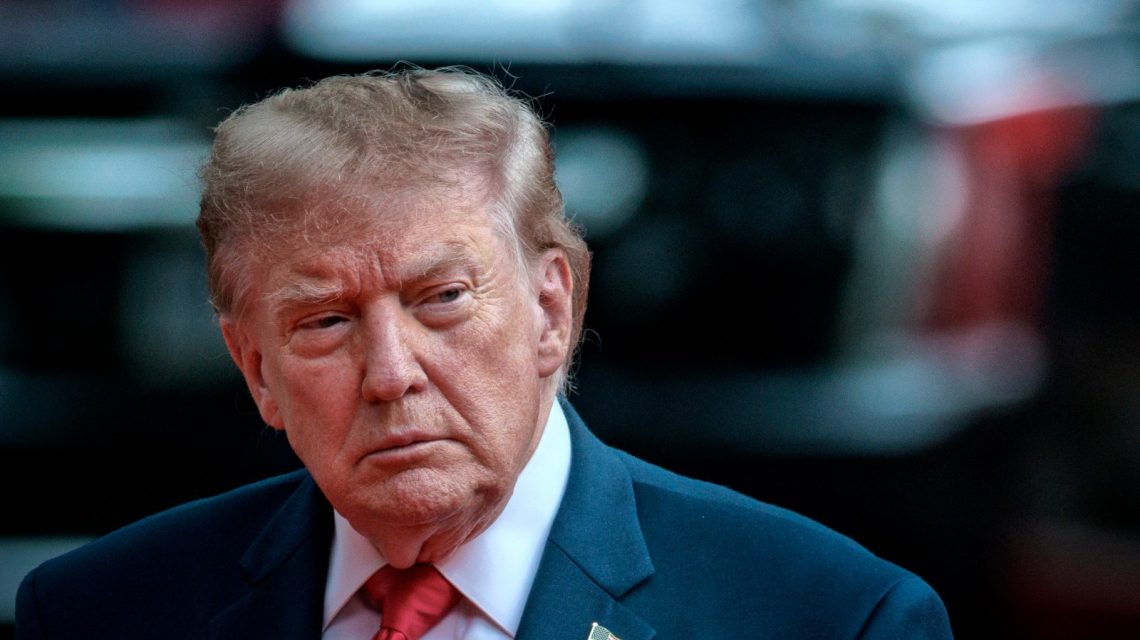
President Donald Trump’s approval rating has experienced a decline following the midterm elections. The elections saw Democrats win control of both the House of Representatives and the Senate, attributed to growing negative perceptions of Trump’s administration.
Recent Polling Results
As of Tuesday, RealClearPolitics reported Trump’s net approval at -21.7 points. This is based on an average of 37.9 percent approval and 59.6 percent disapproval. Comparatively, on November 5, his net approval stood at -20 points. The disapproval rate was then at 59.1 percent, with a 39.1 percent approval. This decline correlates with public dissatisfaction over the Iran conflict and economic issues, challenges for the GOP in maintaining congressional majorities.
The Democratic Party is set to hold 56 Senate seats and 259 or 260 House seats when Congress begins on January 3. Analysts connection this success to public opinion on Trump’s presidency.
“His approval rating was already extremely low, and there does not appear to be any significant additional effect from the mid-terms themselves,” said Grant Davis Reeher, a political science professor at Syracuse University.
Reeher added that improving a presidential approval rating in the last office years is generally challenging, but Trump’s current low ratings suggest room for enhancement by adjusting unpopular policies and making economic progress.
Poll Data Analysis
Trump’s approval ratings recently indicated a further fall since the midterms. The latest YouGov/Economist poll showed a -30 net approval, with 33 percent approving and 63 percent disapproving among 1,623 adults surveyed between November 20-23.
A previous YouGov poll of 3,166 adults on November 4-6 reflected a -26 net approval, as 36 percent approved and 62 percent disapproved. Morning Consult data reported a stable approval at -17, with 40 percent approval and 57 percent disapproval, consistent with early November figures.
An Echelon Insights poll showed a -27 net approval, with 26 percent approval and 63 percent disapproval from 1,027 voters, indicating a margin of error of ±3.7 percentage points.
Impact on Republican Strategy
Now a minority in Congress, Republicans face challenges as Democrats can obstruct major aspects of Trump’s plans in upcoming years. Discussions have emerged regarding potential presidential candidates for 2028, such as Vice President JD Vance and Secretary of State Marco Rubio. Some Republicans, like Florida Governor Ron DeSantis, have also garnered support.
Trump’s influence has reshaped the GOP to align with his political identity. Many Congress members, having supported Trump, might find distancing difficult, Reeher noted. Yet some Republicans intend to position themselves independently of Trump, while others might continue to align with his political approach during primaries.
Montana Representative Ryan Zinke mentioned on NewsNation that Republicans are contemplating a future beyond Trump. “They’re moving on, but no doubt the president took a little pain off of them,” he stated.
Trump’s Response to Approval Ratings
Trump has criticized surveys showing declining approval ratings. On August 30, he described poll results as misleading, attributing them to biased media. He expressed these views on Truth Social, urging action against “fake polls.” Several days earlier, he claimed Democrats were using polling as a strategy to demoralize Republican voters.
Future Outlook
Trump’s approval ratings will remain a focal point leading to the 2028 elections, impacting Republican perceptions amid Democratic efforts to reclaim the presidency.
 Political Tensions Rise Over National Security Concerns
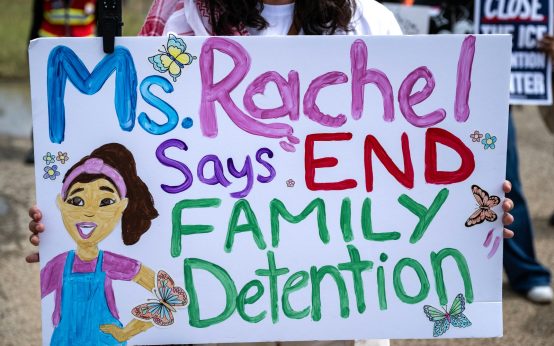 Call to Close Dilley Detention Center Gains Momentum
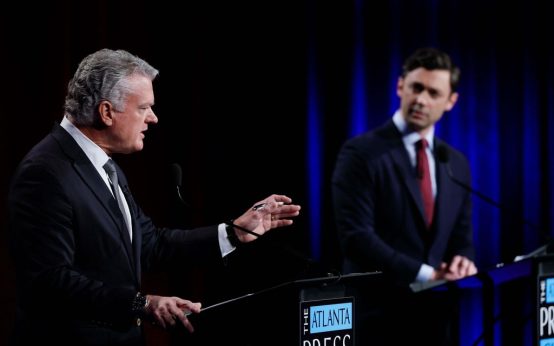 Rep. Mike Collins to Repay $2,880 After Intern Payment Discrepancy
 Understanding Medicare Enrollment for Veterans
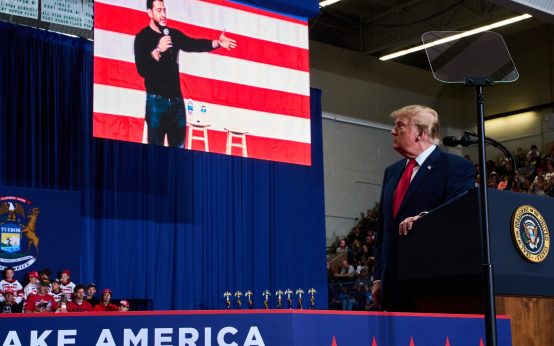 Trump Praises Michigan Senator-Elect Abdul El-Sayed Amid Medicare for All Talks
 Alberta Restricts Political Statements in Universities