
Thanksgiving stands out as an emblematic American holiday. Each year, young students learn about the first event where Pilgrims, the early European settlers of New England, thanked their Indigenous neighbors for support during a difficult year.
The popular narrative portrays the first Thanksgiving as a defining moment continuously celebrated in a similar manner. Yet, the sole existing eyewitness account from that time barely mentions the food served. A later account from the 1621 harvest highlights venison, corn, and turkeys as part of the feast. However, connecting that initial event directly to modern Thanksgivings is more myth than history.
The 19th-Century Creation of Thanksgiving
The Pilgrims and the Puritans they inspired frequently observed fasts and feasts. On fast days, they sought forgiveness for perceived sins, while feast days were marked by gratitude to God. Local governors declared days for thanksgiving, though without coordination or uniformity across regions.
Sarah Josepha Hale, born in 1788 in New Hampshire, significantly shaped today’s Thanksgiving. In the 1830s, she became the editor of Godey’s Lady’s Book, a leading magazine. She promoted Thanksgiving as a national holiday, embedding traditions like turkey dinners and family reunions into the observance.
Hale petitioned five presidents to officially declare Thanksgiving a national holiday. President Abraham Lincoln did so, using it as a unifying force during the Civil War. It was a day when Northern women sent meals to soldiers and abolitionist Sojourner Truth collected donations for African American troops.
Thanksgiving and National Identity
As the holiday evolved, it served as a tool for assimilation. Political cartoonist Thomas Nast illustrated this in an 1869 Harper’s Weekly cartoon showing a diverse group around a Thanksgiving table. This idealized the notion that all Americans, including immigrants and formerly enslaved people, could share in the national identity.
The holiday initially faced resistance. Catholics and Southerners were slower to embrace it due to its Protestant origins and association with Lincoln. On the frontier, where many were single men, maintaining traditional family celebrations was difficult. Yet, Godey’s Lady’s Book and similar publications guided Americans in how to appreciate it.
Assimilation Through Thanksgiving
Thanksgiving’s role expanded to facilitate immigrant assimilation. By the early 20th century, public schools educated children about the holiday, prompting families to engage with traditional recipes. Students connected the Pilgrims with their immigrant predecessors, portraying the Pilgrims as the spiritual forerunners of all Americans.
Some immigrant families accepted this narrative, adapting Thanksgiving to include their cultural dishes. Jews used Crisco to align the holiday with kosher dietary rules, while maintaining Thanksgiving traditions. This flexibility allowed for both national participation and cultural expression.
Thanksgiving narratives sometimes excluded by emphasizing Pilgrim ancestry, yet the holiday often affirmed inclusion. Many immigrant families celebrated Thanksgiving with their cultural twists, reinforcing their place within American society while honoring their backgrounds.
 Real-Life Reflections on Marriage and Divorce
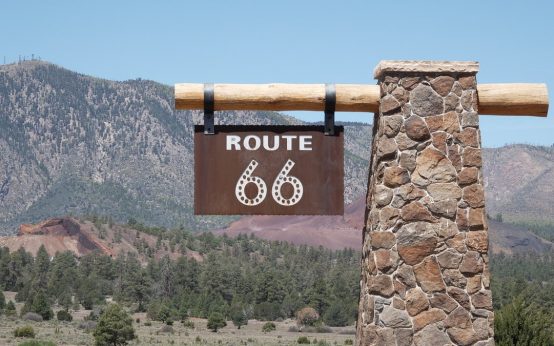 Steve Doocy Celebrates Route 66’s Centennial at Missouri’s Birthplace
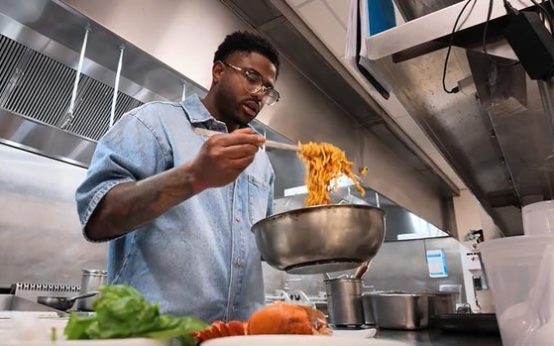 Kwame Onwuachi: A Culinary Journey from NYC Subways to Acclaimed Chef
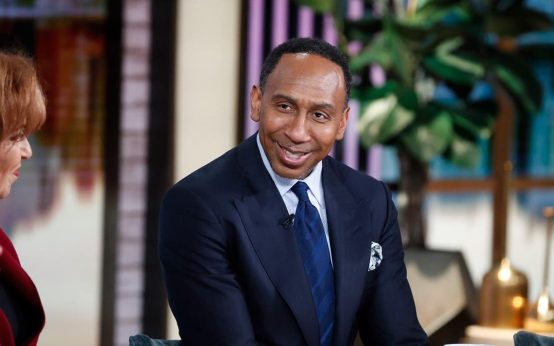 Examining Racial Commentary and Double Standards in Modern Media
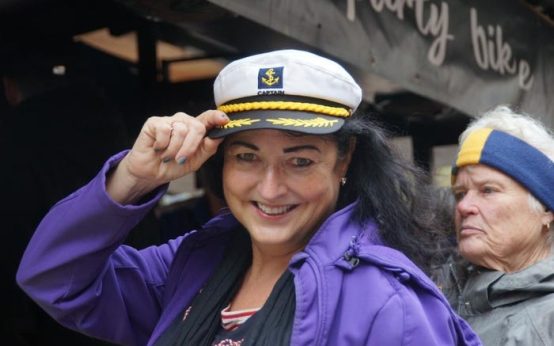 Life at Sea: Dreams and Disappointments
 Extensive Black Friday Deals Across Various Categories