
Amy Klobuchar’s victory as the governor of Minnesota brings a new chapter to the state’s leadership. Her campaign pledge to audit state government, avoid new taxes, reduce bureaucratic hurdles, and focus on economic growth set expectations high. Klobuchar’s approach often mirrored Republican ideals, hinting at a balanced perspective sorely needed in Minnesota.
Former Governor Tim Walz promised similar reforms but fell short according to critics. Voters now rely on Klobuchar to uphold her commitments. A crucial test lies in her willingness to say ‘no’ to party pressures. Heading a DFL-controlled government, Klobuchar must govern for all, not just echo the progressive wing’s ambitions.
Vetoes could become her ally if presented with proposals for wealth taxes or new income tiers. Halting excessive regulations will encourage hiring and investments. Rejecting mid-decade political map adjustments will prevent DFL dominance, ensuring fair governance for Minnesota.
The key is establishing an effective economic strategy. Critics often ignored Minnesota’s sluggish growth during Walz’s time in office, but it’s undeniable now. With Minnesota ranking 49th in per-capita GDP growth and 46th in wage growth, drastic changes are required. Building a strong economic agenda must be prioritized.
Regulatory reform is a starting point. Klobuchar’s promise to streamline project permits calls for action. Firm timelines, eliminating repeated reviews, and agency accountability are steps forward. Minnesota should facilitate growth in housing, manufacturing, and AI-driven infrastructure.
In addition, the Paid Family and Medical Leave program needs an overhaul. Current costs and complexities are burdensome. Shortening eligibility and leave durations could ease the strain on employers.
Tax policy remains crucial. Reducing the 9.85% top individual income tax and 9.8% corporate tax can enhance competitiveness. By attracting investments and supporting entrepreneurship, Minnesota can nurture job creation and economic health.
Klobuchar must address a cultural shift in state government, where businesses often face unnecessary hurdles from agencies. Regulations should enable, not stifle, investment and job creation. State agencies need to focus on facilitating development rather than obstructing it.
Republicans must also engage constructively. Opposing every DFL initiative without offering alternatives isn’t productive. Focusing on real solutions like tax relief, streamlined regulations, and better education will provide a coherent vision for the future. Addressing public safety, healthcare, and housing costs can improve Minnesota’s trajectory long-term.
The business sector holds responsibilities too. Past disappointments shouldn’t allow complacency. It’s vital the sector demands actionable policies from Klobuchar that lead to tangible economic improvements.
Leadership requires more than resting on campaign promises. Klobuchar’s tenure can redefine governance by implementing substantial reforms for the prosperity of all Minnesotans, moving beyond status quo management to achieving substantial changes.
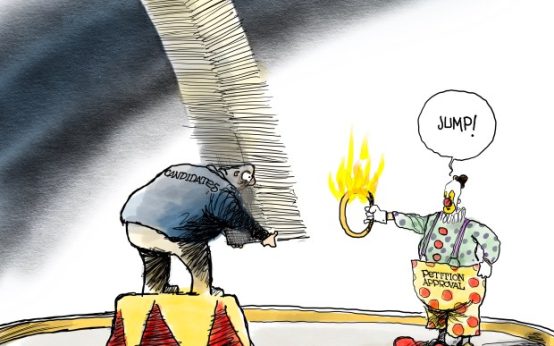 Challenges of Signature Requirements for Political Candidates in Illinois
 Debate Rekindled Over Gray Wolves and Livestock Losses
 White House Faces Backlash Over Controversial Video
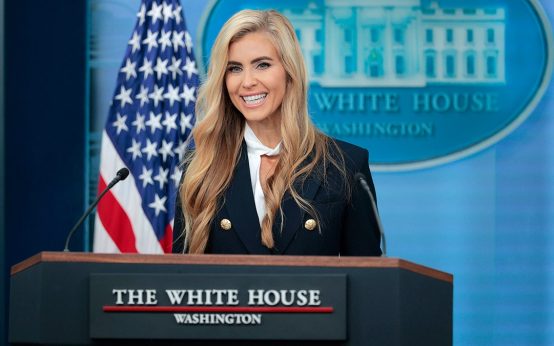 Former Press Secretary Critiques Republican Strategies
 Migration, Politics, Peace Talks, Health Alerts, Legal Settlements, and Fire Conviction News
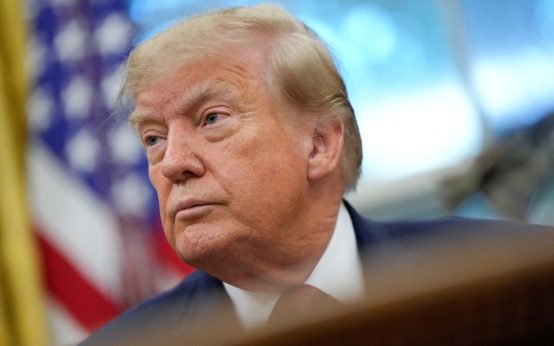 President Trump Criticizes Sen. Cornyn for Blocking Judicial Nominee