Federal authorities have dismantled what the Drug Enforcement Administration (DEA) identifies as the first large-scale domestic laboratory in the United States for manufacturing nitazenes. Nitazenes are synthetic opioids that can match or surpass fentanyl in potency.
The Discovery in Baton Rouge
The East Baton Rouge Sheriff’s Office found the laboratory on November 12 during a drug-trafficking investigation in Baton Rouge. Initially thought to be a fentanyl operation, further DEA forensic testing revealed the presence of etonitazene, a potent nitazene, within the lab’s main reactor.
This discovery highlights a growing threat where synthetic substances mix with fentanyl or form counterfeit pills. Federal officials emphasize the evolving illicit drug supply’s dangers.
The Raid and Arrest
Sheriff’s deputies investigating 34-year-old Torrey Lewis Jr. discovered the facility. On November 12, authorities executed search warrants at a residence on Cottage Hill Drive in Baton Rouge. They found a sophisticated clandestine laboratory equipped with approximately $250,000 worth of professional-grade equipment, including a 100-liter reactor system, temperature-control units, and an industrial evaporator.
The main reactor contained about 15.3 gallons of liquid. DEA chemists from Dallas confirmed etonitazene’s presence. Authorities seized 22.5 grams of fentanyl, 3 grams of cocaine, two rifles, $8,531 in cash, and more drug-manufacturing equipment.
Jail records show Lewis is held without bond on charges like operating a clandestine drug lab, possession with intent to distribute a Schedule II substance, illegal carrying of a weapon with drugs, and money laundering. A commissioner set a $200,000 bond for a separate Schedule I charge added on November 19. It remains uncertain if Lewis has an attorney.
The Growing Threat of Nitazenes
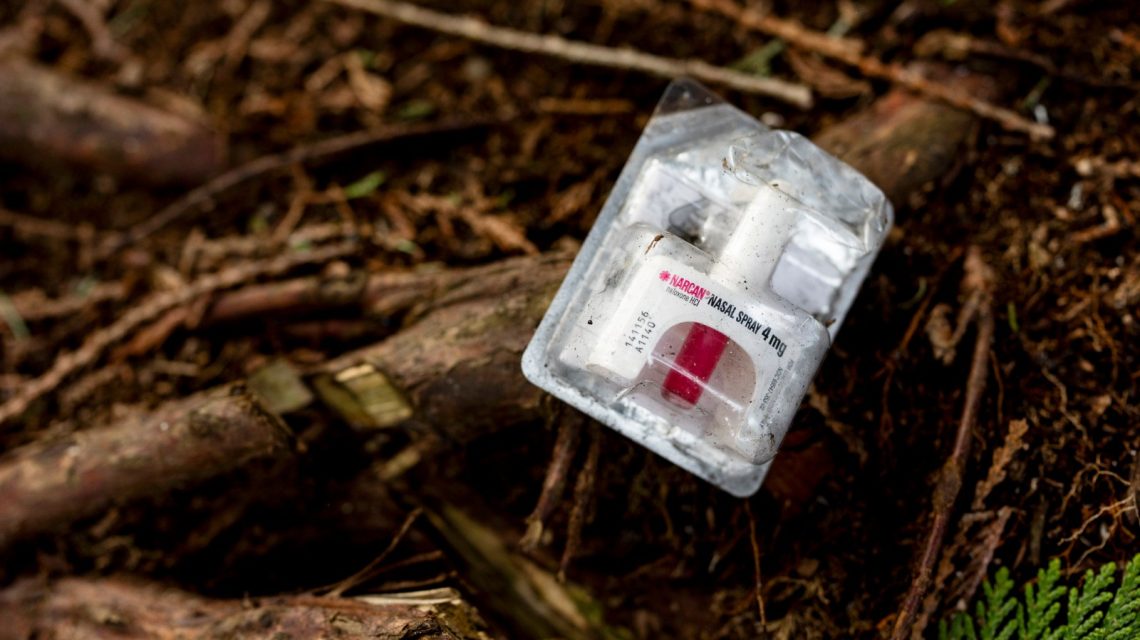
Nitazenes pose an overdose risk as users often don’t know these are mixed into other drugs or counterfeit pills. Naloxone, the opioid-reversal medication, can treat a suspected nitazene overdose, but multiple doses might be necessary.
In May, the DEA issued an advisory about illicit fentanyl being mixed with nitazenes, xylazine, cychlorphine, and medetomidine. The DEA recognizes 22 nitazene compounds since 2020, with 21 classified as Schedule I controlled substances. New nitazene variations emerge as law enforcement and drug scheduling pressure existing analogues.
Louisiana is a hotspot for these substances. Over 80% of etonitazene seized nationwide came from Louisiana, according to Louisiana State Police Crime Laboratory data cited by the DEA.
Nitazenes represent the latest phase in the U.S. opioid crisis, which has caused hundreds of thousands of deaths and extensive legal battles. These include a $26 billion settlement with Johnson & Johnson and other distributors and a $7.4 billion agreement involving Purdue Pharma and the Sackler family.
Understanding Nitazene Potency
Nitazenes encompass a family of synthetic opioids with varying potencies. The DEA indicates their strength can match or exceed fentanyl. Etonitazene, found in Baton Rouge, is among the potent members.
These substances interact with opioid receptors and can cause fatal respiratory depression. Their potency is dangerous when included in counterfeit pills or drugs containing multiple substances.
The DEA warns that emerging substances like nitazenes create an unpredictable illicit drug supply. They are mixed into pills or fentanyl powder without alerting users, complicating overdose response. Such opioids might demand multiple naloxone doses to counteract the effects.