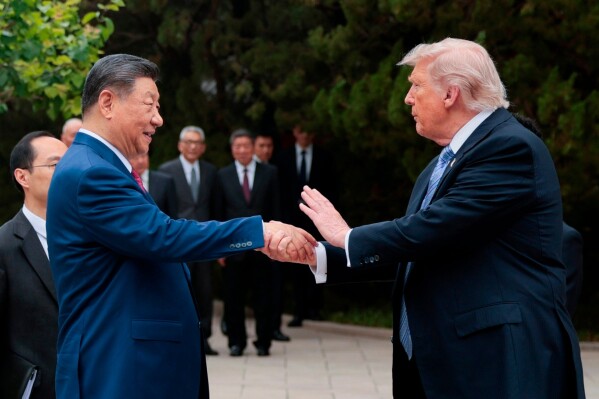
In 2015, Stephen Colbert began his tenure on “The Late Show” by critiquing Donald Trump, comparing his enjoyment of Oreos to his frequent jabs at the presidential candidate. During his first episode, he told a Trump image, “You don’t own me. I don’t need to play tape of you to have a successful TV show.” Over the next 11 years, Colbert consistently mocked Trump, making his show a platform for critiquing MAGA policies. Trump countered by calling Colbert a “dead man walking.”
The on-air rivalry between the two concluded as Colbert’s show aired its final episode on Thursday, marking the end of a prominent critic of the White House. As the show wrapped up, Heather Hendershot from Northwestern University noted, “The legacy of this show needs to be that we remember it as the show that was canceled because a presidential administration wanted it off the air.” She stated that, over time, this political decision would overshadow the show’s history.
When CBS announced that Colbert’s show would conclude, the network cited economic reasons. However, Colbert and others doubted that Trump’s criticisms had no influence. The show’s cancellation occurred after Paramount resolved a lawsuit with Trump for $16 million, possibly linked to his administration’s influence. Colbert described this settlement as a “big fat bribe.” Trump celebrated the cancellation through a Truth Social post and predicted similar outcomes for other hosts like Jimmy Kimmel.
Historically, there are few instances of popular shows ending due to political pressure. A notable example is CBS’s 1969 cancellation of “The Smothers Brothers Comedy Hour,” known for its opposition to the Vietnam War and support for civil rights. Colbert, who played a fictional conservative commentator on Comedy Central’s “The Colbert Report,” faced mixed reactions upon joining “The Late Show.” Figures like Rush Limbaugh saw him as a threat to conservative values.
Colbert and other late-night comedians regularly provided comedic takes on current events. According to Dustin Kidd from Temple University, such perspectives offer relief from overwhelming news. Colbert’s show, which began with David Letterman in 1993, offered unique segments alongside traditional late-night content. He included personal elements, such as his Catholic faith and love for his wife, Evie McGee Colbert.
The show earned two Emmys and a Peabody Award. Following its conclusion, “Comics Unleashed” with Byron Allen will take its place, focusing away from politics. As Lisa Rogak, author of Colbert’s biography, notes, “There’s just going to be a huge void.” Frequent guests like Neil deGrasse Tyson, who noted the show’s embrace of science, will miss Colbert’s platform.
In support, fellow hosts like Jimmy Kimmel, Jimmy Fallon, John Oliver, and Seth Meyers have demonstrated solidarity with Colbert. On the show’s final night, “The Tonight Show” and “Jimmy Kimmel Live!” aired reruns. Colbert’s religious discussions and segments also resonated with Catholics and Tolkien fans. He openly shared his faith, and his enthusiasm for J.R.R. Tolkien’s works inspired many.
Colbert’s future plans involve co-writing a new “Lord of the Rings” movie, realizing a fan’s dream. His career remains marked by his contributions to television and influence on media culture.
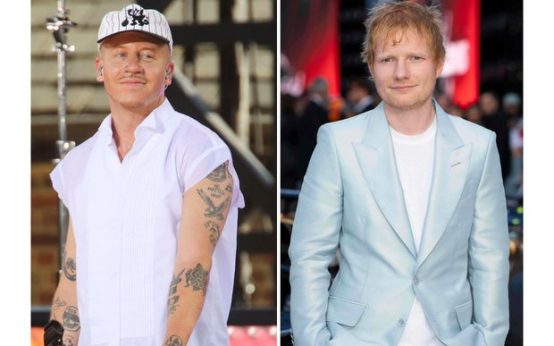 Ed Sheeran Addresses Gaza Crisis and Tour Controversy
 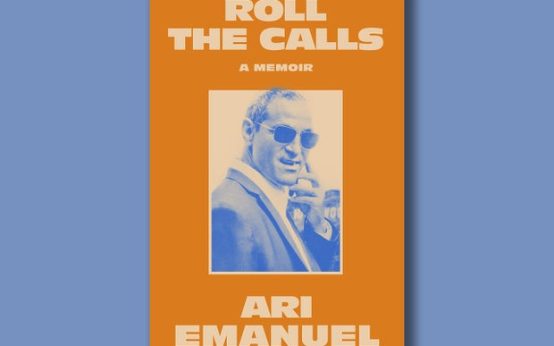 Memoir Reveals Events in Hollywood Agent’s Life
 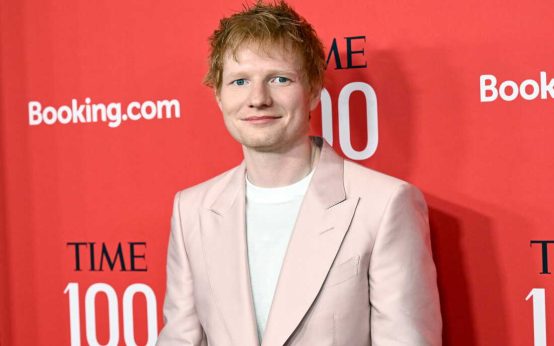 Ed Sheeran Addresses Gaza Controversy at Philadelphia Concert
  College Podcast Challenge: A Catalyst for Change
  TIFF Highlights: A Diverse Array of Films
  Shifting Latino Demographics in Chicago’s Neighborhoods