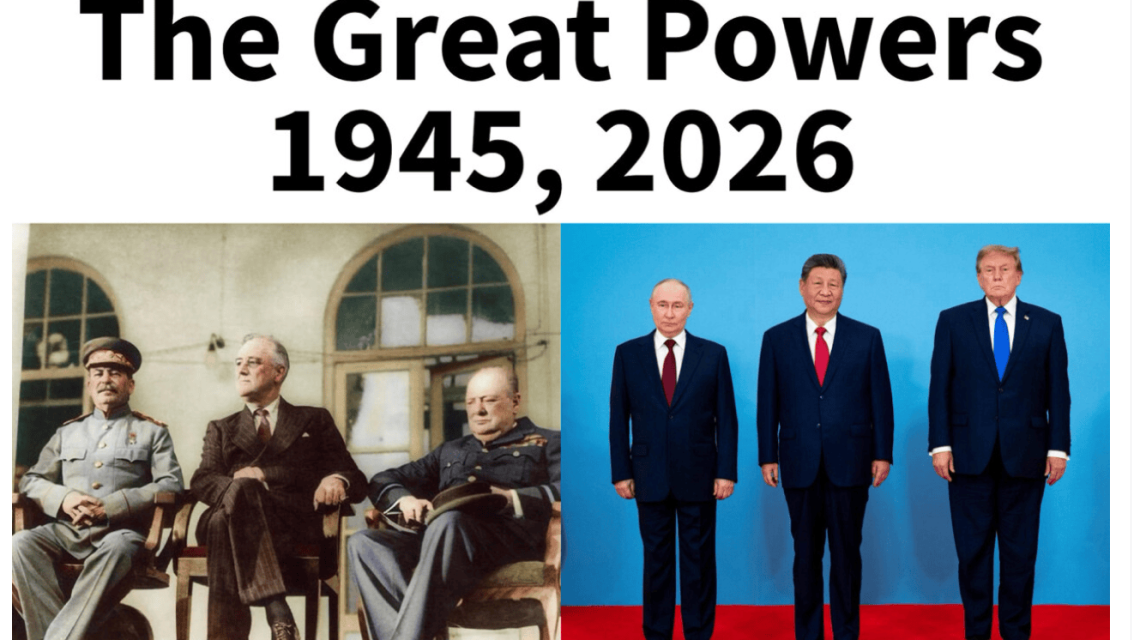
President Donald Trump recently shared an image placing him alongside Chinese President Xi Jinping and Russian President Vladimir Putin, likening their summit in China to the historic 1945 Yalta Conference. The image was posted on Trump’s Truth Social account and described as ‘The Great Powers 1945, 2026.’ It contrasted a World War II-era photo of U.S. President Franklin D. Roosevelt, British Prime Minister Winston Churchill, and Soviet leader Joseph Stalin with a photo of Putin, Xi, and Trump.
Trump drew parallels between his recent meeting in Shenzhen and the historical conference, calling it ‘bigger than Yalta.’ News outlets, including Newsweek, contacted the White House for comments on this matter.
The meeting reminds people in Ukraine and Eastern Europe of the 1945 Yalta Conference, often seen as Western powers conceding to Soviet domination. At that conference, leaders negotiated Europe’s postwar future, the creation of the United Nations, and the Soviet Union’s involvement in the war against Japan. However, the circumstances surrounding the recent Shenzhen meeting were different, though some concerns about powerful nations bargaining over smaller ones without their presence persisted.
A New Yalta?
Before Trump, Xi, and Putin met at Shenzhen’s Kylin Villa on November 19, some in Ukraine and Europe were anxious about a possible ‘Yalta 2.0.’ This meeting marked the first formal summit among the leaders of the United States, China, and Russia. While they produced a joint ‘peace declaration,’ it lacked the far-reaching geopolitical agreements, like those at Yalta.
The declaration emphasized that nuclear war must not occur and promised dialogue to reduce nuclear risks. However, the leaders refrained from establishing a timetable or initiating talks on a trilateral arms-reduction treaty. Such a framework was resisted by Beijing, noting that its nuclear arsenal is smaller than those of Washington and Moscow. The leaders also committed to U.N. reforms, increasing the supply of refined petroleum products, and protecting state consent and officials’ immunity in international courts. There was no resolution for Russia’s war in Ukraine or U.S. tensions with Iran.
Despite this, Trump praised the summit as successful, rating it a ’12’ out of 10 in an NBC News interview. He later joined a meeting in Berlin with U.S. envoys Jared Kushner and Steve Witkoff alongside Ukrainian President Volodymyr Zelensky and over 40 European leaders. German Chancellor Friedrich Merz, hosting the meeting, emphasized the risks of dividing regions, saying, ‘A Yalta format will not bring peace.’
How the Leaders Framed the Summit
During the Shenzhen talks, Trump highlighted the significance of the meeting, asserting the importance of the three nations in addressing nuclear weapons and global security. Xi also underlined the necessity of cooperation, noting that peace among major countries stabilizes the world.
Putin, referencing the past, stated, ‘Yalta acknowledged the realities following World War II.’ He added that current conflicts require acceptance of present realities, causing anxiety in Kyiv. Russian forces hold parts of Ukraine, and Moscow’s terms resemble what Kyiv views as surrendering.
Ukrainian Foreign Minister Andrii Sybiha dismissed the comparison to Yalta, urging Putin to ‘get real and end the war he can never win.’
What Happens Next
The Shenzhen declaration leaves many diplomatic questions unanswered, with no major breakthroughs on the Ukraine conflict or other significant disputes. Xi called for continuing high-level interactions, dialogue, and crisis-prevention strategies, though no timeline for future talks was set.
This story was compiled with assistance from Martyn, Newsweek’s AI tool. Editors Steve Mollman and Anthony Murray oversaw the production of this article.
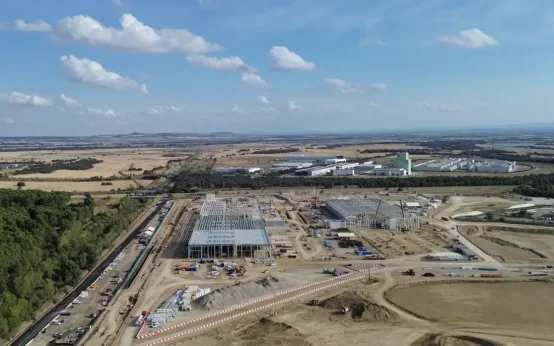 Protests Erupt Against Data Centers in Spain
 Migration, Politics, Peace Talks, Health Alerts, Legal Settlements, and Fire Conviction News
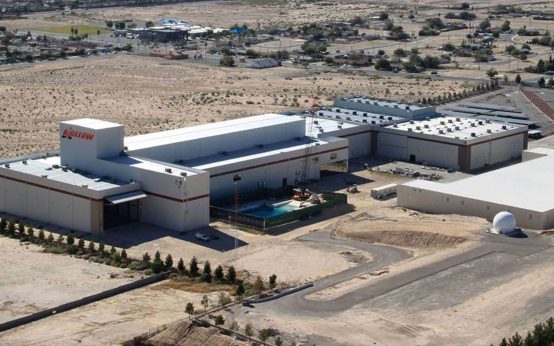 Pentagon’s Declassified Files Reveal Plans for Underground Facility and UFO Research
 Lewis Pugh Swims Strait of Hormuz Amid Conflict
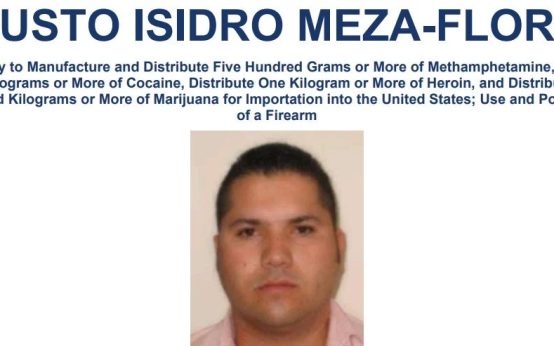 Cartel Boss Fausto Isidro Meza Flores Captured in Sinaloa, Mexico
 The Debate Over War Authorization and Government Shutdown