
Charlotte, North Carolina, faces scrutiny over a wrongful-death lawsuit connected to the murder of Iryna Zarutska on a light-rail train in 2025. Although the court may dismiss the lawsuit, the public remains focused on moral accountability. The case underscores serious issues within the city’s public safety framework.
The tragic incident occurred due to systemic oversight. DeCarlos Brown, a habitual offender with a lengthy criminal history, stabbed Zarutska after boarding a train without a ticket. No security personnel were present to prevent the attack, raising questions about the city’s choice to use private contractors for patrolling rather than sworn police officers.
Brown’s extensive history of violence includes numerous arrests in Mecklenburg County. These occurred amidst initiatives aimed at reducing jail populations, backed by organizations such as the MacArthur Foundation. Despite multiple opportunities to take corrective action, the justice system’s emphasis on leniency failed to protect Iryna Zarutska.
Mental health issues further complicated the scenario. Brown’s untreated schizophrenia had been ignored until after the fatal event. After the murder, political responses seemed inadequate, with more emphasis on Brown’s mental health crisis rather than the victim.
The aftermath saw the passage of “Iryna’s Law” in North Carolina, focusing on bail reforms and mental health commitments. However, many state legislators opposed these measures. Political shifts threaten these reforms, raising concerns about future public safety.
Despite evident failures at multiple governmental levels, accountability remains elusive. Those in charge of policy and judicial decisions face little consequence. The broader political landscape suggests continued challenges in addressing such public safety issues.
 Tragic Arizona Crash Claims Two Lives, Leaves Two Hospitalized
 Transgender Doctor’s Medical Practice Halted After Allegations
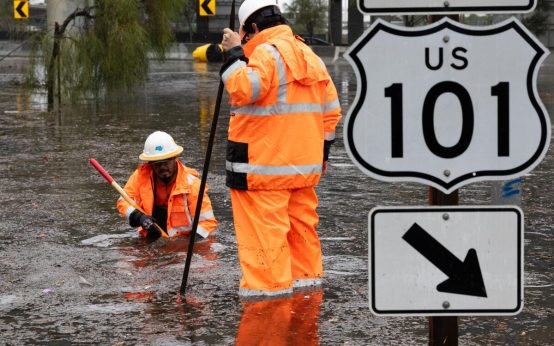 Extreme Coastal Flooding Risks Loom Over California
 Key Developments in U.S. Politics and International Affairs
 Navigating Political Tensions During Thanksgiving Gatherings
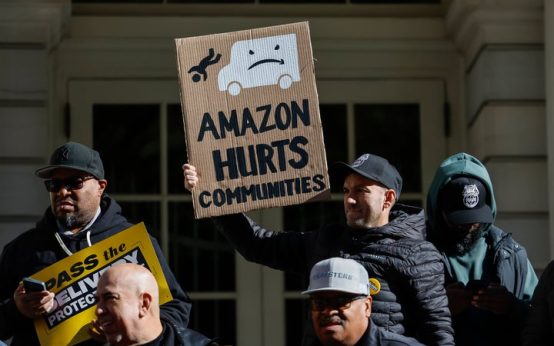 Amazon Enlists NYC Customers Against City Council Bill