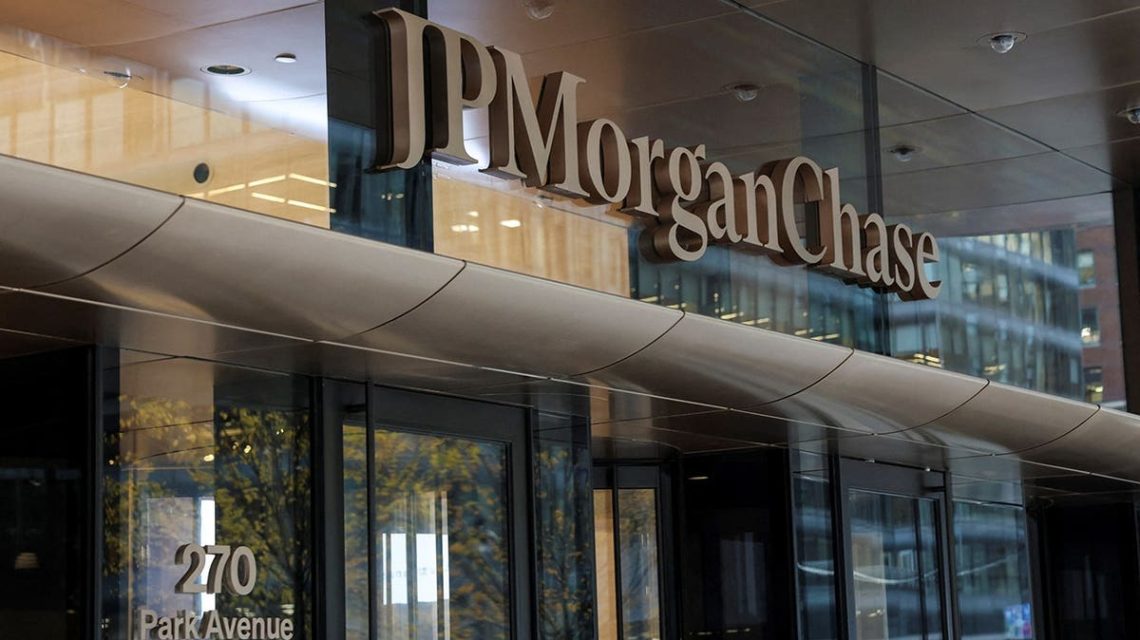
Morgan Wright, a former State Department antiterror advisor, recently joined a broadcast to discuss a significant cybersecurity breach involving Chase, Visa, and Mastercard. Wright provides insights into how the breach exposed customer data and offers steps individuals should take to safeguard their financial information amidst global technological turbulence.
Ransomware Group Leak
The breach came to light when a ransomware group leaked customer data linked to Visa, Mastercard, and JPMorgan Chase. On November 19, 2026, The Wall Street Journal reported that hackers leaked information allegedly affecting thousands of customers from the three companies. The breach involved third-party service providers working with these financial institutions. This has led customers to question what data hackers obtained and whether they need to act.
Scope of the Cyberattack
The cyber extortion group n0n claimed responsibility for stealing data related to Visa, Mastercard, and JPMorgan Chase. They posted claims about acquiring cardholder engagement records, including marketing activities connected to numerous email addresses. These records are reportedly linked to customer marketing activities and cardholder programs. However, there are unanswered questions about the exposed vendors, as the companies have not disclosed all impacted providers.
JPMorgan Chase’s Response
JPMorgan Chase confirmed that the cyberattack targeted third-party service providers. A spokesperson stated that attackers accessed some vendor-held marketing data, potentially including customer names and email addresses. The bank says its operations remain functional and plans to notify affected customers while offering complimentary credit monitoring. Earlier transaction processing delays appear unrelated to the cyberattack.
Mastercard and Visa React
Mastercard acknowledged that an incident involving an outside provider exposed limited customer information, specifically email addresses linked to a subset of cardholders. They emphasized that their payment network remains secure and unaffected. Visa also responded, clarifying that its systems and payment information were not impacted, despite an incident involving a third-party provider in the Asia-Pacific region.
Potential Risks and Protective Measures
Although the breach involved customer data held by outside providers, there is no indication of stolen banking passwords or compromised funds. However, exposed contact information can be exploited for phishing scams. Criminals might use this data to create convincing scam emails. Here are steps you can take to protect yourself:
- Be cautious of unexpected communications claiming to be from financial institutions.
- Avoid sharing bank verification codes with unexpected callers.
- Enable account alerts to monitor unauthorized transactions.
- Strengthen passwords and use multifactor authentication for added security.
- Stay vigilant for official breach notifications from affected companies.
- Consider a credit freeze for further protection from identity theft.
- Reduce personal information exposure by removing unnecessary online details.
Actions After Responding to Suspicious Messages
If you’ve unwittingly responded to a suspicious message:
- Change your password immediately.
- Contact your bank’s fraud department if you’ve shared sensitive information.
- Lock or replace your card if you spot unauthorized transactions.
- Run a device security scan if you’ve downloaded suspicious files.
Kurt’s Comments
Kurt “CyberGuy” Knutsson emphasizes the need to understand who accesses your financial information. Despite taking precautions with your bank account, external companies could still experience cyberattacks. While companies like Visa, Mastercard, and JPMorgan Chase have provided reassurances, transparency about the third-party vendors and the specific customer information held remains crucial. Protecting your accounts involves heightened awareness of scams and data breaches.
 Amazon Enlists NYC Customers Against City Council Bill
 The Controversy Surrounding Jensen Huang and Nvidia
 GAO Finds Federal Agencies Lacking in Cybersecurity Planning
 Grand Theft Auto VI Sparks Relationship Challenges
 AI and Robotics Redefining Workforce Skills
 Insights from a Former Director at Nvidia on Working with Jensen Huang