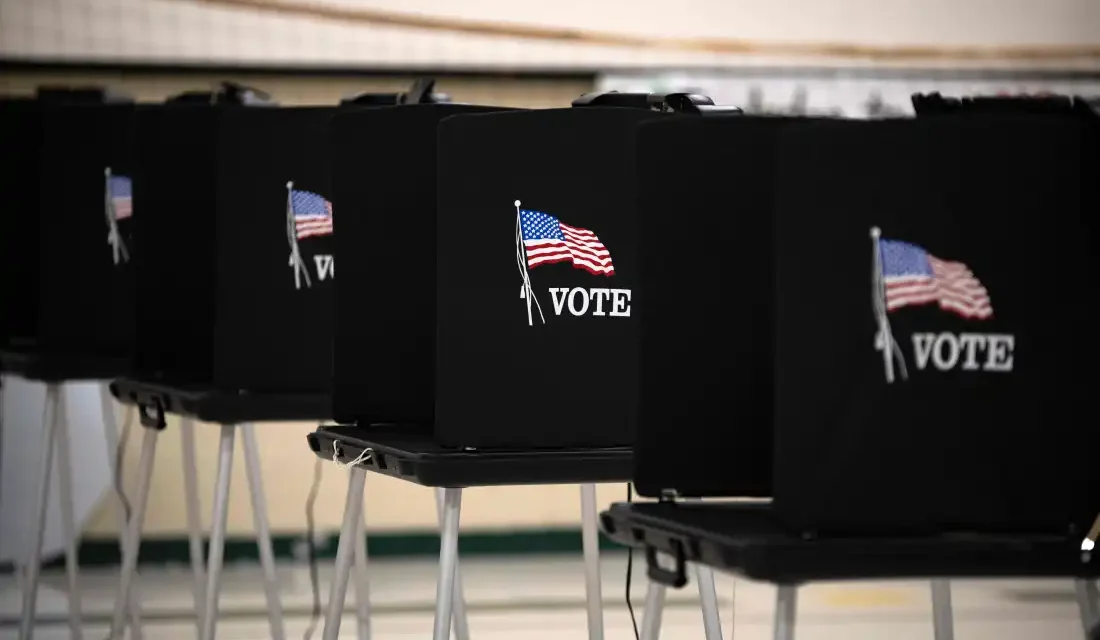
Voting booths are shown at the polling station within Glass Elementary School in Eagle Pass, Texas, on November 8, 2022. Photo by Mark Felix/AFP via Getty Images.
A significant national initiative aims to ensure the President is the candidate who wins the popular vote. This effort could soon achieve an important milestone. Democratic victories in the recent midterm elections have created this possibility.
Next year, Democrats will control five states with the potential to join the National Popular Vote Interstate Compact. This agreement requires participant states to allocate their presidential electoral votes to the national popular vote winner, overriding the state winner. If these states—Arizona, Pennsylvania, Michigan, Nevada, and Wisconsin—join, the compact would exceed the 270 electoral votes needed to take effect, bypassing the Electoral College.
Currently, 18 states led by Democrats, along with the District of Columbia, have joined the compact. It presently holds 222 electoral votes. Adding the five states, which account for 61 electoral votes, would push the compact above the necessary threshold.
So far, some Republican-led states have not joined, and there is not universal party support for the compact. Despite this, proponents remain optimistic. They believe many challenges might be resolved in time for the next presidential election.
“I am more confident than ever that 63% of American voters will secure a national popular vote for the 2028 presidential election,” National Popular Vote senior consultant Patrick Rosenstiel stated, referencing Pew polling.
Governors in Pennsylvania and Nevada have expressed openness to signing corresponding legislation. However, other states’ governors have yet to publicly commit. All the states involved are considered presidential battlegrounds, and relinquishing their influence in future elections remains a debated decision.
For instance, Arizona Governor Katie Hobbs, who previously supported the measure, has not recently commented on joining the pact. NPR reached out for a statement but did not receive a response before publication.
The Legal and Practical Challenges
Legal scholars note potential issues with the compact concerning the Constitution’s compact clause. This clause restricts states from forming agreements with each other without Congressional approval unless for extreme reasons.
Norman Miller, a constitutional law professor, highlighted the possible disruptions. He emphasized the decentralized nature of the U.S. presidential election system, where states manage their voting procedures. He warned that aligning electoral votes with another state’s results could generate friction.
“Standardized voting rules and a federal authority for vote tabulation are necessary,” Miller mentioned. “Entrusting national elections to 51 different administrators might lead to discord.”
However, National Popular Vote chairman John Koza maintains that the compact can function without major changes. “Current state and federal laws ensure a certified vote count. It’s merely about tallying them,” he told NPR.
Miller argues that fundamentally altering the electoral process should occur through a constitutional amendment rather than circumventing existing mechanisms. Efforts to modify the Electoral College in 1969 were unsuccessful, and passing amendments is historically challenging.
Rosenstiel states this is why innovative strategies are pursued. A national popular vote appeals to most Americans seeking a solution. He believes it will enhance broad-based political appeal and affirm that every vote matters.
“We need a voting system where every American’s vote counts,” Rosenstiel remarked. “A national popular vote is the sole reform that achieves this.”
 Amy Klobuchar Takes On Governorship with Promises for Minnesota’s Growth
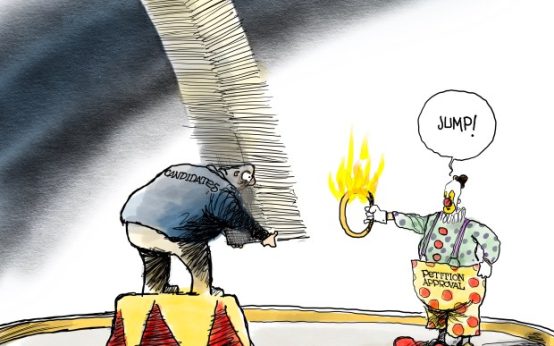 Challenges of Signature Requirements for Political Candidates in Illinois
 Debate Rekindled Over Gray Wolves and Livestock Losses
 White House Faces Backlash Over Controversial Video
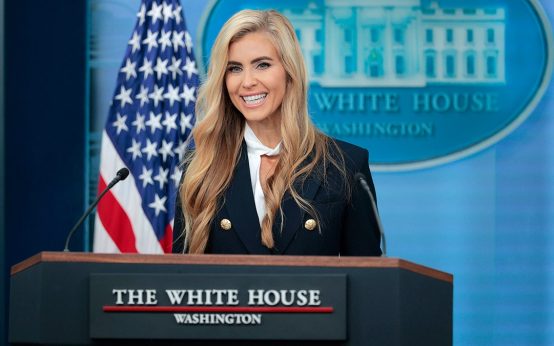 Former Press Secretary Critiques Republican Strategies
 Migration, Politics, Peace Talks, Health Alerts, Legal Settlements, and Fire Conviction News