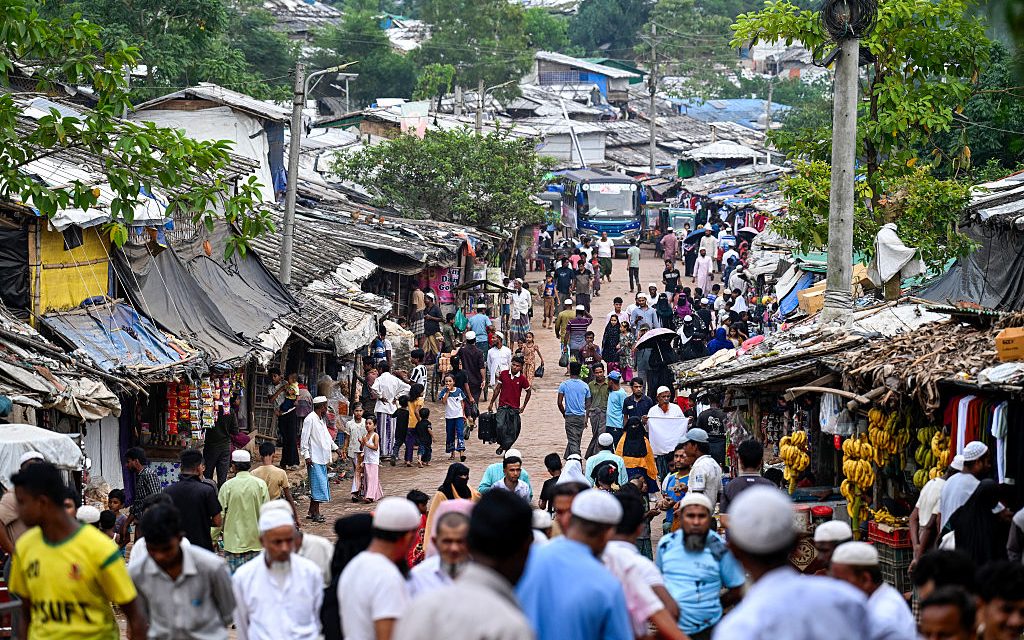
The International Court of Justice (ICJ) has ruled that Myanmar committed genocide against the Rohingya Muslim minority. Over a million Rohingya remain displaced. This verdict, issued on Thursday, marks the first instance of a state being held responsible for genocide in the history of the ICJ, which began in 1945. During a military campaign in 2017, Myanmar forces killed at least 10,000 individuals, including up to 2,109 children under the age of five. More than 700,000 people were forced to flee Rakhine State to escape the violence.
Implications of the Verdict
According to Melanie O’Brien, a professor of international law at the University of Western Australia, this landmark decision could impact the legal handling of cases under the 1948 Genocide Convention. This influence extends to South Africa’s case against Israel, where allegations of genocide in Gaza have emerged as Israeli forces reportedly killed tens of thousands over the past three years.
The ruling represents a public acknowledgment in a court of law and, globally, that genocide occurred against the Rohingya,O’Brien said.
Myanmar’s government, led by President Min Aung Hlaing, who was the military’s commander during the 2017 operation, has called the ruling unfair. A government spokesperson highlighted the lack of unanimity among the ICJ judges, six of whom dissented on the decision. The military junta-led government denied committing genocide during legal proceedings.
Recognition of Rohingya Identity
The Rohingya community views the ruling as a historic acknowledgment of their distinct ethnic identity. Sayed Ullah, a Rohingya leader, emphasized that despite Myanmar’s denial of their existence, the court recognized them explicitly.
Historical Context of ICJ Genocide Rulings
This is the first time the ICJ has found a state guilty of genocide. Previous cases related to the 1990s Yugoslavia conflicts did not reach similar conclusions. In 2007, the ICJ recognized the genocide in Srebrenica by Bosnian-Serb forces but found insufficient evidence to connect Serbian authorities directly. In another case involving Croatia, the court identified ethnic cleansing but not genocide, in events between 1991 and 1992.
Marko Milanovic, a public international law professor, states that the current ICJ interpretation did not change the legal definition of genocide. Instead, a more flexible approach to evidence, especially regarding genocidal intent, was adopted. Some judges dissented, arguing the evidence might support a motive of forced expulsion or collective punishment rather than genocide.
Next Steps for Myanmar
The ICJ has ordered Myanmar to ensure the safe and voluntary return of the Rohingya and to prosecute those responsible for genocide. Myanmar must report within two years on its restitution efforts. If unable, it must compensate the Rohingya, with reparations decided later.
Legal enforcement of the ruling remains uncertain. If Myanmar fails to comply, The Gambia, which initiated the case, could appeal to the UN Security Council. However, China’s support for Myanmar, as a council member with veto power, complicates matters. Other nations can pressure Myanmar through diplomacy or sanctions. Already, the UK has expelled Myanmar’s defense attaché and called for a Security Council meeting to discuss the ruling.
ICJ’s Influence on Future Cases
The ICJ ruling may influence the pending genocide case South Africa has filed against Israel. The argument revolves around a similar pattern of conduct in both countries’ military actions. Israel, denying genocide allegations, argues its military operations are defensive, citing the attack by Hamas on October 7, 2023, as justification.
In Gaza, the UN reported over 74,000 Palestinian deaths since that date, relying on Gaza Health Ministry data. Allegations of systematic sexual violence, incitement of genocide, and destruction of homes by Israeli forces have been documented. More than 20,000 Palestinian children have reportedly been killed in the conflict.
The Myanmar ruling highlighted attacks on children, identifying this as an indicator of genocidal intent, which South Africa may use similarly in its case against Israel. This could reflect on Israel’s military actions, promoting a reconsideration of its law compliance narrative. Nevertheless, experts caution that the ICJ ruling does not bind future legal interpretations but creates significant implications.
 Controversy Surrounds Governor Newsom’s Death Sentence Commutation Plan
 Jewish Activist Criticizes Event Cancellation at CUNY School
 Debate on School Choice in Texas Elections
 Amy Klobuchar Takes On Governorship with Promises for Minnesota’s Growth
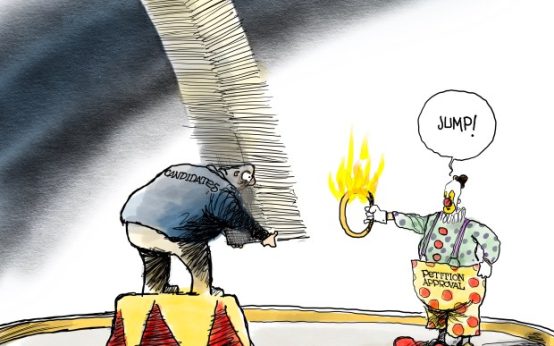 Challenges of Signature Requirements for Political Candidates in Illinois
 Debate Rekindled Over Gray Wolves and Livestock Losses