
Americans are increasingly concerned due to a recent surge in technological disruptions. Artificial intelligence (AI) has advanced scams targeting families and consumers. Jason Brown, who previously worked as a cyberfraud investigator with the U.S. Secret Service, highlighted this growing issue.
“Everyone’s on edge,” Brown said. He noted recent tech outages affecting Microsoft, the Federal Aviation Administration (FAA), and several financial institutions as reasons for alarm. Many of these disruptions stemmed from infrastructure problems, while others remain under investigation.
“AI has made it easier for criminals to create convincing fraudulent messages,” Brown stated.
As the holiday season approaches, AI’s role in scams has escalated. AI has reduced obvious errors once common in fraudulent messages, such as spelling mistakes and poor grammar. This shift makes scams more convincing and harder to detect.
Scammers are also using AI to mimic the voices of victims’ relatives. For example, a scammer could use a short voice recording to impersonate a family member, then demand payment in gift cards.
Brown stressed the need for Americans to be skeptical of suspicious communications. He warned that scammers might impersonate delivery companies like UPS, FedEx, and the U.S. Postal Service, falsely claiming undelivered packages need additional payment, often via cryptocurrency or gift cards.
FBI data shows over 22,000 cases of AI-related fraud reported in 2025, with losses exceeding $890 million. Businesses also face risks; criminals may impersonate trusted vendors to divert legitimate payments into fraudulent accounts.
Employment changes during the holiday season further enhance vulnerabilities. Temporary workers and traveling executives increase risks during this time.
Brown advises taking precautionary measures, such as establishing a “safe word” within families for identity verification during unexpected calls. If scammers provide the correct safe word, verify the caller’s identity independently using a trusted number.
Emphasizing the importance of independent verification, Brown recommends stopping to think and verifying any suspicious message or communication before taking action. This practice serves as a protective measure against potential scams.
 Handling Identity Theft: Steps for Recovery
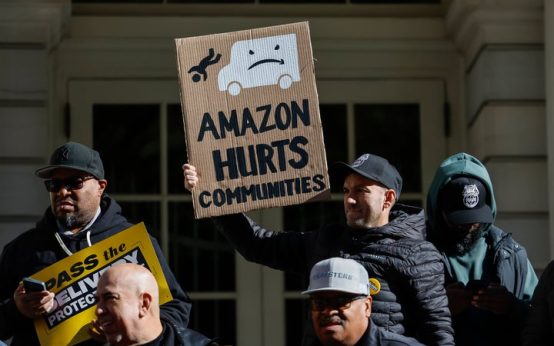 Amazon Enlists NYC Customers Against City Council Bill
 The Controversy Surrounding Jensen Huang and Nvidia
 GAO Finds Federal Agencies Lacking in Cybersecurity Planning
 Grand Theft Auto VI Sparks Relationship Challenges
 AI and Robotics Redefining Workforce Skills