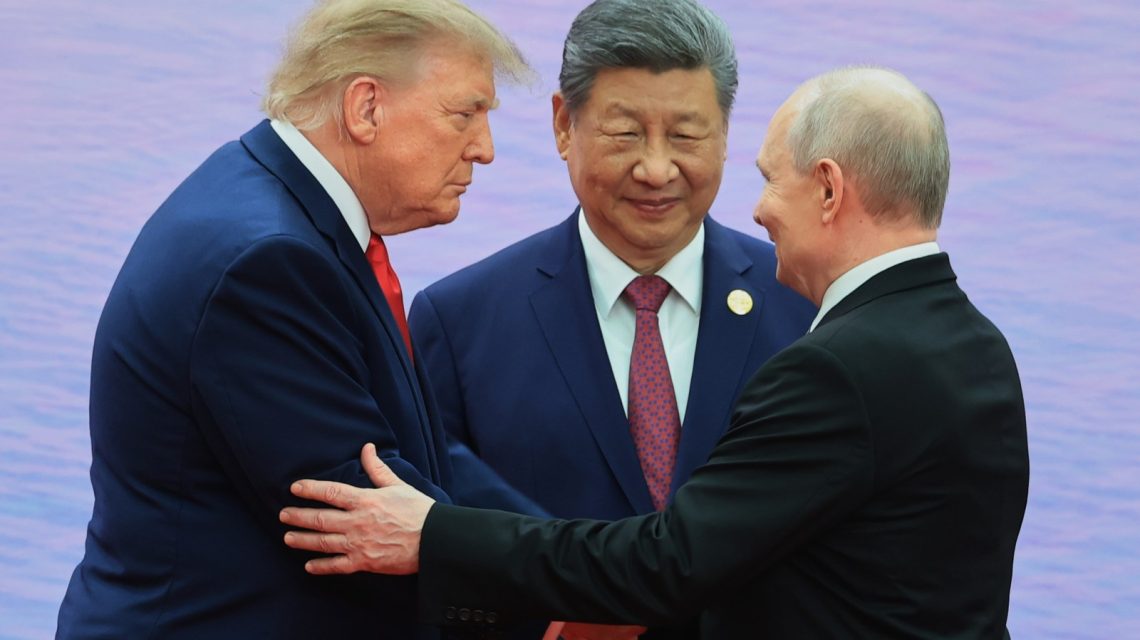
Russian and Chinese state media have characterized the recent Asia-Pacific Economic Cooperation Leaders’ Summit featuring Donald Trump as a diplomatic achievement, but with differing perspectives on the outcomes. The summit took place in Shenzhen, China, and lasted around 90 minutes. It culminated in a four-point declaration focusing on nuclear security, energy supplies, United Nations reform, and international courts.
Chinese State Media’s Coverage
Chinese state-run media highlighted President Xi Jinping’s role in organizing the meeting. Reports portrayed Xi as a statesman fostering dialogue among major world powers. The Global Times, associated with the Chinese Communist Party, published articles emphasizing Xi’s calls for mutual respect, peaceful coexistence, and cooperation.
One article quoted Xi’s warning about non-interference in other nations’ internal matters. It praised the summit as “positive, constructive, fruitful,” echoing Xi’s view. Another piece described the meeting as “groundbreaking,” reflecting Chinese confidence in Xi’s leadership.
CGTN, China’s international state broadcaster, shared the full text of the joint declaration. It noted sentiments of appreciation from Trump and Putin towards China. Xinhua, China’s official news agency, emphasized Xi’s proposals advocating for sovereignty and respect for political systems.
Russian State Media’s Narrative
Russian media presented the summit differently, focusing on President Vladimir Putin’s diplomatic role. TASS, a Russian news agency, highlighted Putin’s evaluation of the summit’s success and noted the involvement of China, Russia, and the US as UN Security Council members.
RT, another state-funded broadcaster, depicted Putin’s willingness to engage with Washington. It presented Ukraine and Europe as barriers to peace, underscoring Putin’s criticism of Ukrainian and European leaders. Live coverage included Putin’s claims about a shared interest with Trump in restoring bilateral relations.
RT further reported on Putin’s dismissal of European fears about potential Russian aggression. It emphasized his stance on not seeking conflict with Europe while criticizing Ukrainian actions regarding the Crimean Bridge.
Summit Outcomes and Media Focus
The summit concluded with the leaders agreeing to continue discussions on nuclear risk reduction and UN reforms. However, the declaration lacked resolutions on the Ukraine conflict or commitments to nuclear arsenal reductions.
Chinese coverage centered on Xi’s diplomatic efforts and China’s role in facilitating dialogue. Russian media highlighted Putin’s involvement in global diplomacy while critiquing Western stances on the Ukraine issue. Both nations utilized the summit to underscore their leaders’ diplomatic initiatives without explicitly declaring a victor.
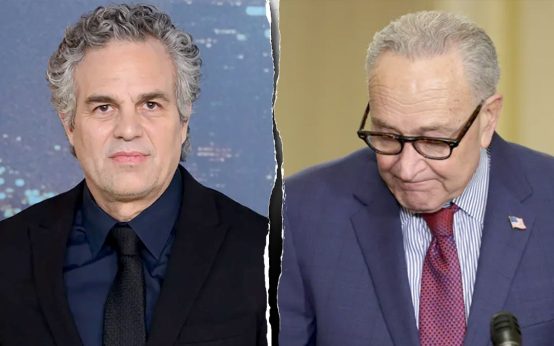 Mark Ruffalo Faces Backlash After Criticizing Sen. Chuck Schumer
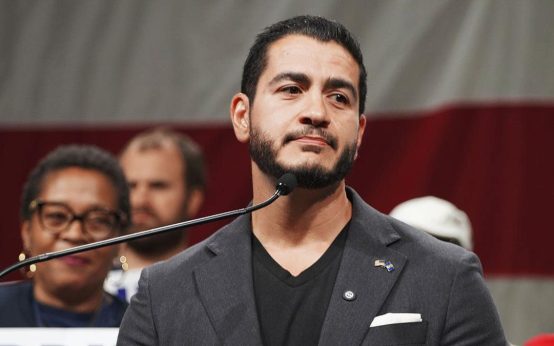 El-Sayed Questions Israel’s Identity as Democratic or Jewish State
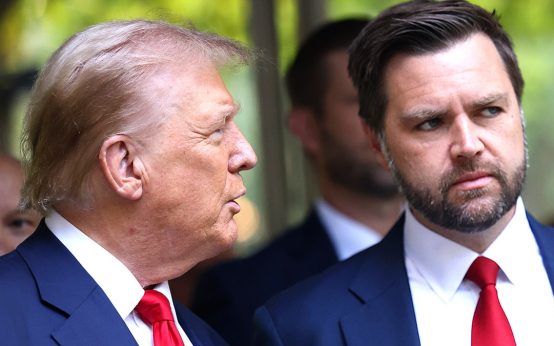 Trump Comments on Increased Iranian Drone and Missile Activity
 Latest Developments on Political and International News
 Mass Shooting at Private Concert in Tulare County Injures Nine
 Key Global Developments: Space, Politics, and Policy