
Political polls play a critical role in shaping elections and public perception. One key aspect often overlooked is how these polls operate, particularly the use of caller ID in gathering data.
Caller ID in Polling:
Caller ID can influence who participates in polls. People may choose to answer or ignore calls based on the number displayed. This behavior can impact the demographic representation of the poll.
Pollsters aim to collect a diverse sample to ensure accuracy. They use techniques to balance age, gender, and political affiliation among respondents.
Trump’s Influence:
President Donald Trump has held significant sway among Republican voters. His popularity was evident in his outsider campaign in 2016. His support helped him through the impeachment trial in 2021. His influence continued, aiding his 2024 campaign efforts.
Before the recent midterm elections, Trump was poised to choose the party’s nominee for the 2028 presidential election. His role in shaping the future of the Republican party remains substantial.
Understanding these dynamics is vital for interpreting polling results and their implications for future elections.
 Jewish Activist Criticizes Event Cancellation at CUNY School
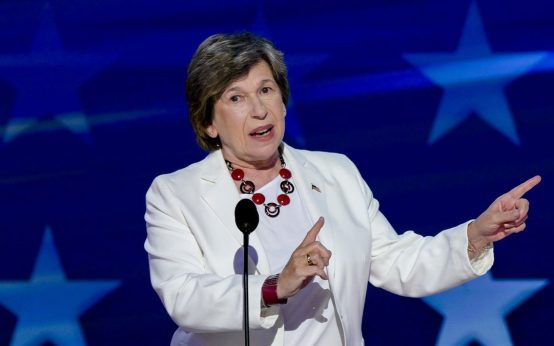 Debate on School Choice in Texas Elections
 Amy Klobuchar Takes On Governorship with Promises for Minnesota’s Growth
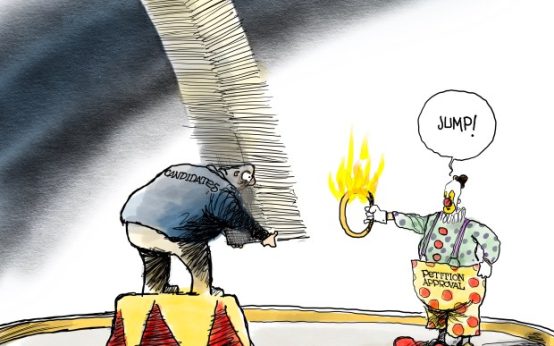 Challenges of Signature Requirements for Political Candidates in Illinois
 Debate Rekindled Over Gray Wolves and Livestock Losses
 White House Faces Backlash Over Controversial Video