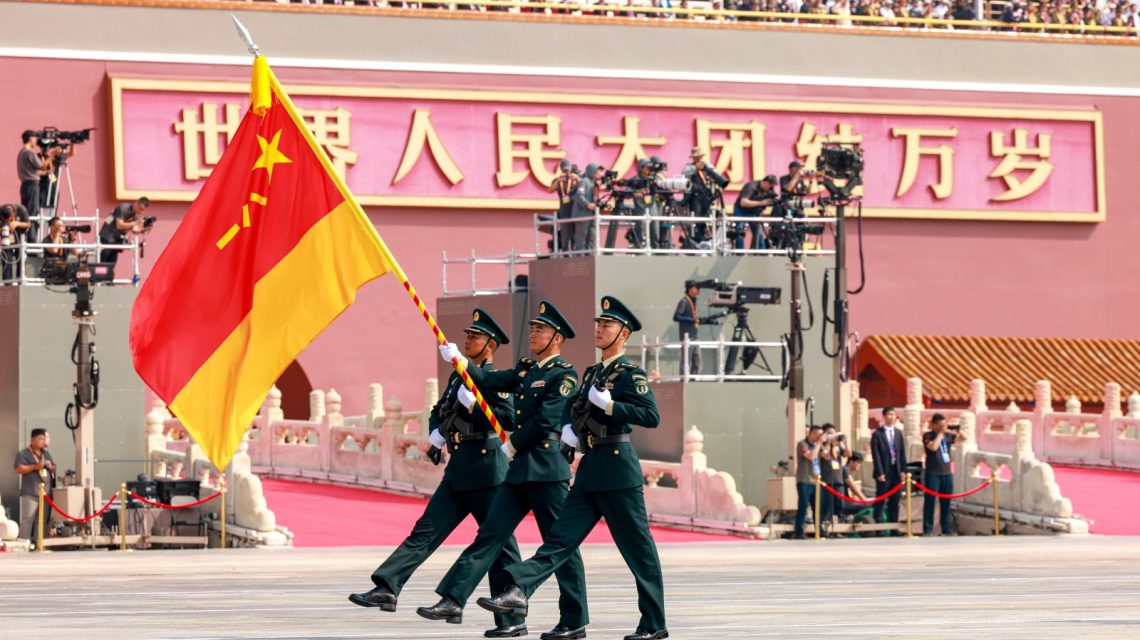
Donald Trump has managed to capture the attention of his Chinese counterpart, Xi Jinping, with a proposition for a significant new agreement, potentially involving limits on strategic weapons. Despite Trump’s ambitions for a history-making nuclear treaty, this might benefit Xi more.
The leaders of the United States, China, and Russia are meeting for a summit, marking a first in their diplomatic engagements. It’s happening alongside the Asia-Pacific Economic Cooperation forum in Shenzhen, China. This meeting highlights Xi’s diplomatic success in hosting such discussions on his home territory.
China has skillfully used dialogue as a diplomatic tool, holding the promise or threat of ending talks to influence U.S. policy. Xi has adopted this approach with Trump in three previous summits this year, and they plan to meet again in Miami soon.
Trump seems optimistic about the summit’s outcomes, though he might face disappointment. Xi is unlikely to depart from China’s strategic military agenda, focused on nuclear expansion, which represents the most significant peacetime military growth ever.
Arms Control Talks with Challenging Dynamics
Following the expiration of the New START treaty, which left U.S. and Russian nuclear forces without clear boundaries, Trump intended to involve Xi in new binding arms agreements. Given China’s rapidly expanding nuclear arsenal, the White House saw this as necessary. According to the U.S. Defense Department, China’s nuclear warhead stockpile is expected to surpass 1,000 by the decade’s end.
While Trump aspires for a Nobel recognition through such a treaty, China’s position challenges this. China focuses on expanding rather than limiting its arsenal. Sean King of Park Strategies stated that Beijing aims to grow its nuclear capabilities, not reduce them.
China currently holds fewer nuclear weapons compared to the U.S. and Russia. It maintains a public policy of “no first use,” pledging its nuclear arsenal would only be used in a retaliatory context. However, underlying trust issues persist between the U.S. and China, with Beijing perceiving U.S. disarmament calls as an attempt to curtail its military rise.
China’s Tactical Approach
China’s strategy is unlikely to shift significantly toward arms limitation. Xi might suggest mutual reductions from the U.S. and Russia as a hypothetical concession, knowing the unlikelihood of their agreement. This stance allows China to continue its long-standing diplomatic practice of gaining policy concessions through prolonged discussions.
A recent arms control dialogue with the U.S. was halted by China following American arms sales to Taiwan, highlighting how unrelated issues can disrupt diplomatic talks. Xi might leverage this approach in the upcoming meetings, pressing Trump for a reduction in U.S. military influence in the Pacific.
Despite these geopolitical maneuvers, Trump still awaits the execution of a substantial arms deal with Taiwan, emphasizing the leverage China maintains. If Trump wants Xi’s presence at the forthcoming G20 Miami summit, he might prolong the decision on the Taiwanese arms package.
Even without immediate gains, Xi has succeeded in positioning China as an equal on the global stage, hosting a historic meeting while promoting China as a peace-seeking nation.
Focus on Digital Cooperation
Trump’s ambitions for nuclear arms control may face substantial challenges, especially against Xi’s own goals centered on stability before China’s Communist Party congress. Xi would likely avoid concessions on nuclear limitations, as would Putin, who links agreement progress to favorable outcomes in Ukraine.
Nonetheless, Trump could find common ground in managing the military applications of artificial intelligence. During a September visit to Washington, D.C., Xi advocated for joint efforts to control AI misuse between China and the U.S. Even as these discussions advance, the framework for who controls AI remains vague.
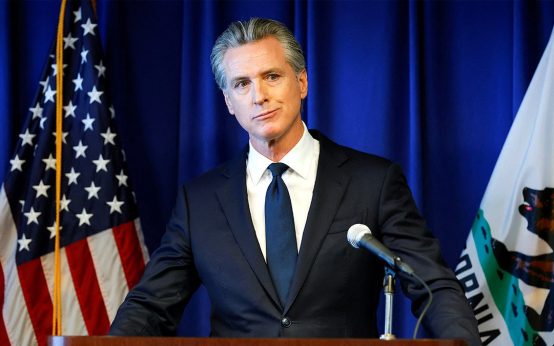 Controversy Surrounds Governor Newsom’s Death Sentence Commutation Plan
 Jewish Activist Criticizes Event Cancellation at CUNY School
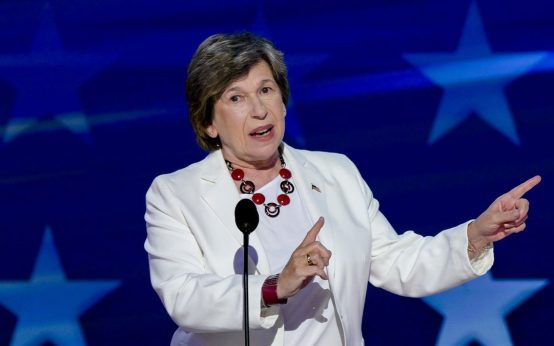 Debate on School Choice in Texas Elections
 Amy Klobuchar Takes On Governorship with Promises for Minnesota’s Growth
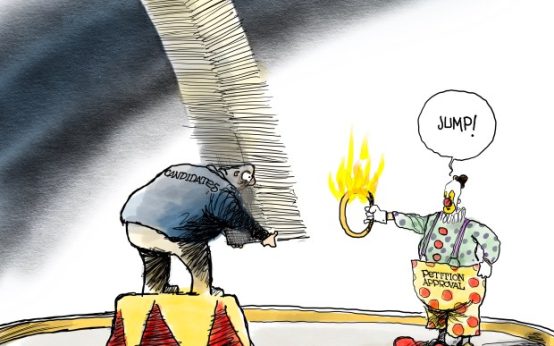 Challenges of Signature Requirements for Political Candidates in Illinois
 Debate Rekindled Over Gray Wolves and Livestock Losses