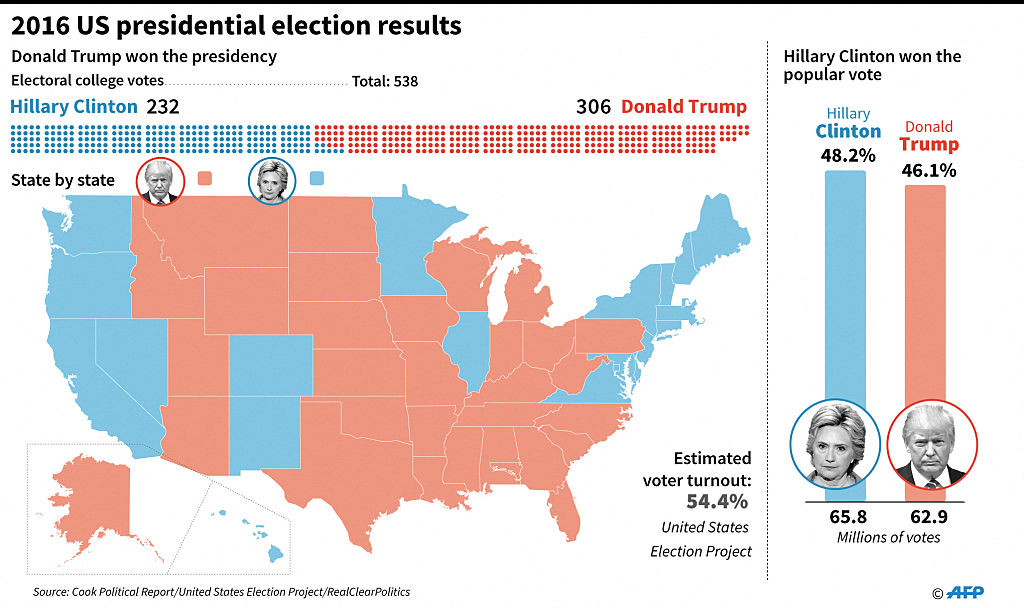
Recent election successes have opened an opportunity for Democrats to address a long-standing challenge in U.S. elections: the Electoral College. This system has led to at least two Democratic presidential candidates losing despite winning the popular vote. Officially ending the Electoral College would require a constitutional amendment. However, it can be effectively bypassed if sufficient states join the National Popular Vote Interstate Compact. This compact requires states holding a collective 270 electoral votes to pledge these votes to the candidate winning the national popular vote.
As of now, 18 Democratic-led states and the District of Columbia have joined, representing 222 electoral votes. The recent midterm victories in key states might help achieve the 270-vote goal needed to activate the compact if Democrats choose to pursue it.
Understanding the National Popular Vote Interstate Compact
The National Popular Vote Interstate Compact is an agreement among states to allocate their electoral votes to the presidential candidate who secures the most votes nationally. Currently, states mostly use a ‘winner-takes-all’ approach based on state-level popular votes. This sometimes results in a candidate winning the presidency while losing the nationwide popular vote, as seen with Donald Trump in 2016 and George W. Bush in 2000. The compact aims to ensure the candidate with the most national votes wins the presidency.
The concept emerged after the contentious 2000 elections. Akhil and Vikram Amar laid the groundwork for this idea, which evolved into the current compact by 2006. States like California, New York, and Illinois, along with others, have joined, collectively holding 222 electoral votes. The compact only becomes active if member states collectively control 270 electoral votes.
For a state to join, its legislature must pass relevant legislation, which the governor needs to sign. If the governor refuses, the legislature can override the veto with a supermajority.
The Impact of Recent Elections on the Compact
In the recent midterms, Democrats gained control in Pennsylvania, Michigan, Arizona, Wisconsin, and Nevada, totaling 61 electoral votes. If these states sign on, the 270-vote threshold could be surpassed. Pennsylvania Governor Josh Shapiro has shown interest in joining the compact, while Michigan senators also consider it, despite potential legal challenges from the GOP.
Constitutional Concerns
The compact’s constitutionality may face scrutiny, but experts have differing views. Lawrence Lessig from Harvard believes the compact adheres to the Constitution by letting states determine elector allocation. Others, like Jennifer Hendricks, argue it doesn’t challenge federal authority enough to be unconstitutional. Nonetheless, legal battles are expected if the compact activates.
Potential Effects on Elections
If enacted, the compact would make the national popular vote decisive in presidential contests. This change could alter campaigns significantly. Candidates currently focus on swing states. A popular vote system would require attention to all 51 jurisdictions, potentially increasing campaign costs as candidates would need to engage a nationwide audience.
Akhil Amar believes this transition supports electoral equality, but he notes execution challenges, including possible system manipulation by states. Recounts and withdrawals from the compact could pose risks.
The partisan nature of the compact is a concern. Without bipartisan support, one party could undermine its functionality. Vikram Amar suggests a delay in implementation might allow bipartisan consensus, opening the door for a constitutional amendment to dismantle the Electoral College entirely after successful trial periods in upcoming decades.
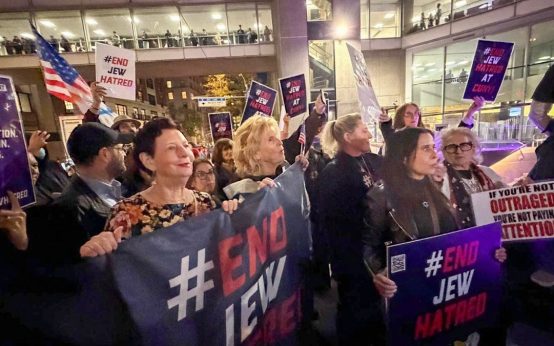 Jewish Activist Criticizes Event Cancellation at CUNY School
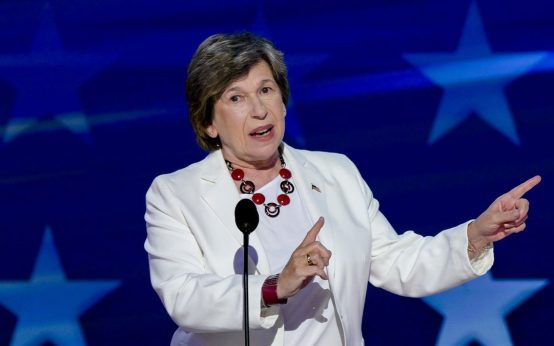 Debate on School Choice in Texas Elections
 Amy Klobuchar Takes On Governorship with Promises for Minnesota’s Growth
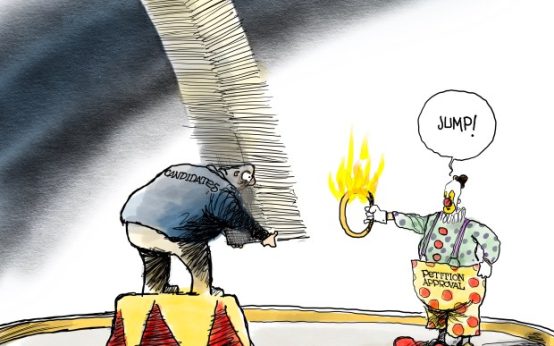 Challenges of Signature Requirements for Political Candidates in Illinois
 Debate Rekindled Over Gray Wolves and Livestock Losses
 White House Faces Backlash Over Controversial Video