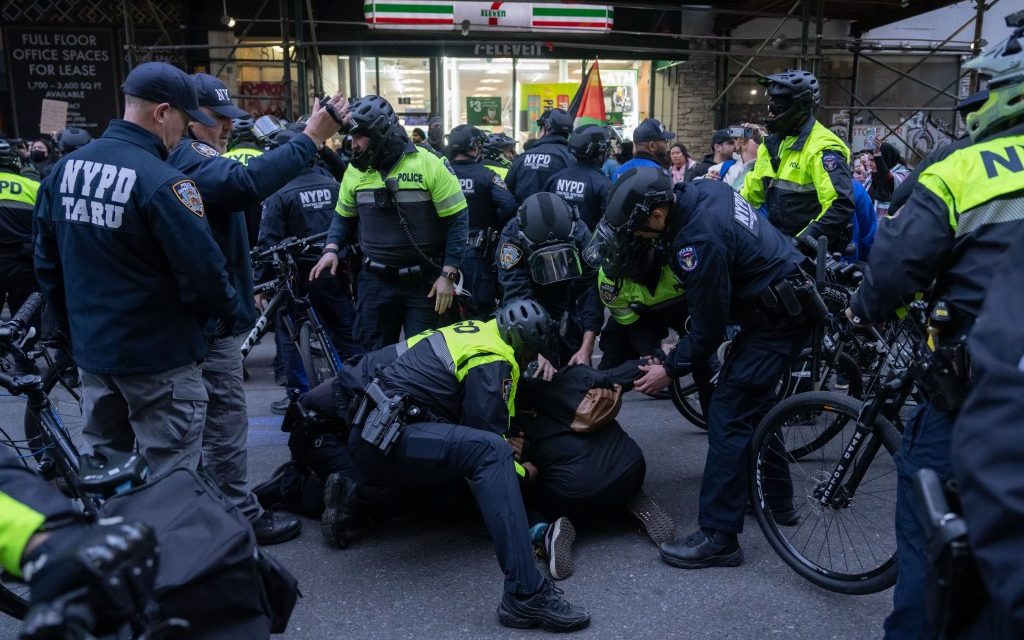
New York City Mayor Zohran Mamdani faced significant criticism on Monday after announcing the dissolution of the NYPD’s specialized counterterror unit. This unit also handled crowd control during protests. Mamdani plans to replace it with a civilian-led division focused on community dialogue and de-escalation, along with a First Amendment support team.
City Hall describes the new de-escalation division as unprecedented, stating it will have no weapons or authority to make arrests. Mamdani emphasized that New Yorkers should not experience the same police presence during protests as they would during terror threats. He vowed to establish a new approach prioritizing conversation and peaceful resolution.
The discussions come after the NYPD’s Strategic Response Group was formed in 2015. Despite disbanding the group, police officers can still step in to make arrests if necessary. Though the new unit cannot wield weapons, a support team of 30 uniformed officers will be trained in de-escalation tactics. Additionally, the use of tear gas, pepper spray, or kettling during protests will be prohibited.
NYPD Commissioner Jessica Tisch expressed some support, claiming the changes strengthen the department’s effectiveness without compromising resources needed to handle threats. However, New York City Council member Inna Vernikov, co-chair of the bipartisan task force on Jew-hatred, warned that disbanding the Strategic Response Group could be detrimental, especially for Jewish communities.
Among those voicing concern is Evan Bernstein, CEO of B’nai B’rith International, who sees the move as a potentially dangerous ideological shift. Bernstein highlights that the SRG has been crucial in addressing hate crimes against Jews in New York City. Instead, the absence of trained officers supposedly compromises public safety when facing antisemitic threats.
The mayor’s decision was also influenced by anti-Israel protests frequently occurring in the city. Jewish community members have noted that anti-Jewish hate crimes spiked in Mamdani’s initial month as mayor, continuing at high rates throughout his tenure. Chaim Steinmetz, a rabbi in Manhattan, fears that anti-Semitic protests will become more intimidating with changes to police tactics.
The World Jewish Congress remains optimistic about the NYPD’s ability to protect Jewish lives despite restructuring efforts. Moshe Davis, an advocate for bolstering police responses against hate crimes, expresses skepticism about whether the new unit will mitigate current risks. The Protecting Worship coalition, led by Davis, hopes the rebranding will steer violent actors away from religious institutions.
Commentators like Jim Geraghty, a National Review correspondent, query the efficacy of Mamdani’s approach when similar strategies falter elsewhere. The decision, according to critics like Geraghty, risks increasing disorder and empowering unruly crowds.
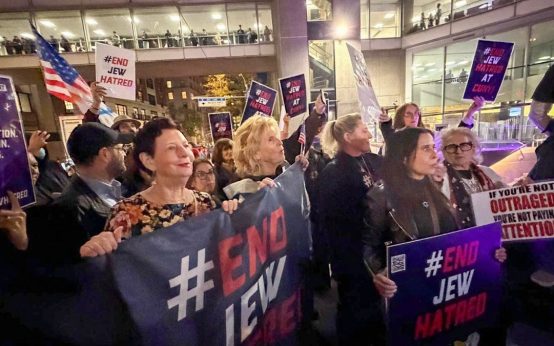 Jewish Activist Criticizes Event Cancellation at CUNY School
 Debate on School Choice in Texas Elections
 Amy Klobuchar Takes On Governorship with Promises for Minnesota’s Growth
 Challenges of Signature Requirements for Political Candidates in Illinois
 Debate Rekindled Over Gray Wolves and Livestock Losses
 White House Faces Backlash Over Controversial Video