New York’s Long Island Rail Road (LIRR) workers are on strike, significantly disrupting the busiest commuter rail system in North America. Union officials announced the strike on Saturday, following unsuccessful contract negotiations with the Metropolitan Transportation Authority (MTA) that ended on Friday night.
The strike involves five unions, representing about half of LIRR’s 7,000 employees, including engineers, mechanics, and signal operators. Kevin Sexton, vice president of the Brotherhood of Locomotive Engineers and Trainmen, stated that no new negotiations are scheduled. Sexton expressed regret over the situation, highlighting the significant distance between the parties.
MTA President Janno Lieber claimed the agency had met the unions’ salary demands, suggesting the unions intended to strike all along. The strike forces approximately 250,000 weekday commuters to find alternative routes into New York City from Long Island’s suburbs or work from home. This change will likely increase traffic congestion and prolong commutes.
For example, Rob Udle, an electrician who uses the LIRR to travel to Manhattan, predicted severe difficulties in reaching the city. The strike could also disrupt sports fans heading to Manhattan to watch NBA playoffs or MLB games featuring local teams.
Governor Kathy Hochul urged LIRR commuters to work from home during the strike. The MTA plans to provide free buses during peak hours for essential workers. Hochul criticized union leadership for causing unnecessary disruption and financial loss for workers and pledged to support LIRR commuters.
Wage Dispute
The union is demanding a 16% wage increase over four years to help workers cope with inflation and rising living costs. The MTA’s current offer includes a 9.5% increase over three years, with an additional effective increase of 4.5% in the fourth year. Gary Dellaverson, the MTA’s chief negotiator, noted the difference between positions is minor.
Nick Peluso, vice president of the Transport Workers Union, questioned whether the MTA and Governor Hochul would exacerbate commuter frustrations and financial losses over this slight wage difference.
Commuter Concerns
Susanne Alberto, a Long Island-based personal trainer, has arranged virtual sessions with her Manhattan clients if a strike occurs. She believes the unions have leverage, expecting the MTA to concede soon.
Rob Udle expressed a willingness to take vacation days to avoid travel chaos if the strike continues. Although he empathizes with unions’ affordability concerns, he disagrees with their pressure tactics, which he believes unnecessarily impact many people.
In September, a strike was averted when former President Donald Trump’s administration helped negotiate, giving both sides 60 days to resolve their issues. The last LIRR strike occurred in 1994, lasting about two days. Last year, New Jersey Transit workers also conducted a three-day strike.
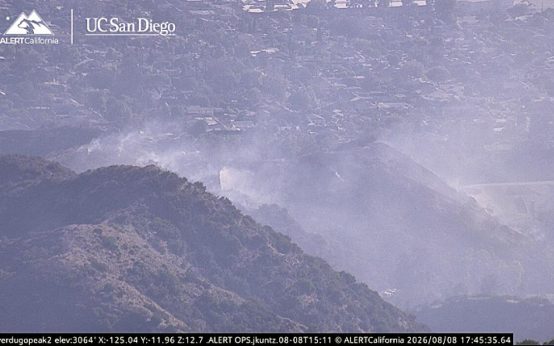 Brush Fire Engulfs Burbank Hills on Saturday Afternoon
  Rapid Spread of Ridge Fire Causes Massive Disruption in Gorman
  Senate Confirms Hurst as Pentagon Comptroller
 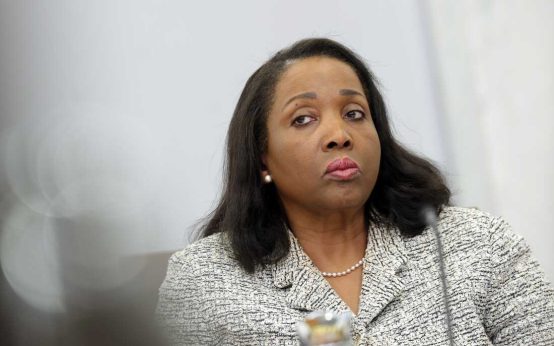 Trump Attempts to Remove Fed Governor Cook Over Unproven Allegations
  Morning Wire Recap: Trump’s Executive Orders and Other Key News
  Tensions Rise as NATO Reports Increased Scrambling of Fighter Jets