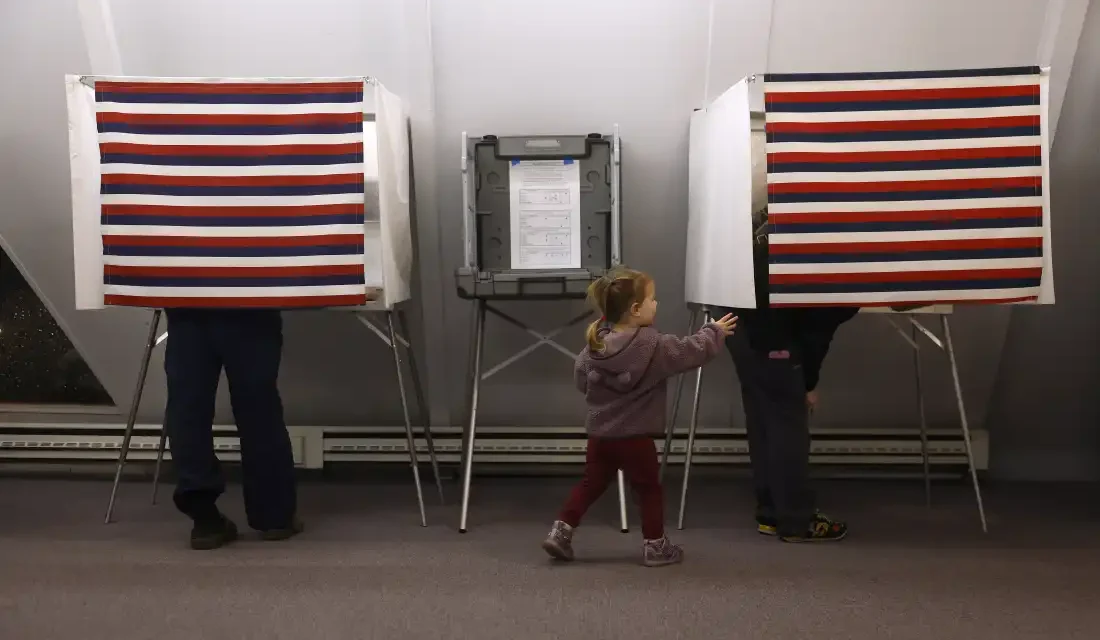
On November 3, at Valley Bible Chalet in Indian, Alaska, a toddler played hide and seek while parents cast their votes. With elections approaching, affordability emerged as a primary focus for voters, bringing childcare into the limelight.
Childcare Gains Momentum
The midterm elections highlighted childcare as a significant political issue. Some candidates ran successful campaigns by promising to enhance childcare programs. For instance, New Mexico’s Governor-elect Deb Haaland pledged to broaden a universal childcare initiative. In South Carolina, Annie Andrews, who will be the first pediatrician in the Senate, underscored the importance of affordable childcare.
Voter support for childcare extended beyond candidates. Regions like Baltimore and San Antonio approved measures to direct tax revenues towards local childcare initiatives. Julie Kashen of Women’s Economic Futures noted, “This election in particular really felt different.”
Rising Childcare Costs
Childcare expenses have skyrocketed, averaging over $13,000 annually as reported by Child Care Aware of America. This financial burden ranks prominently among family concerns. A survey by the First Five Years Fund highlighted that 38% of parents identified childcare as a primary financial worry.
Recognizing this urgency, 75% of gubernatorial candidates addressed childcare in their platforms. Both parties engaged, with initiatives recorded by the Bank Street College of Education. The Campaign for a Family Friendly Economy PAC invested over $40 million in competitive races to enhance caregiving policies.
Beyond Personal Struggles
Melissa Boteach from Zero to Three pointed out a societal shift in perspective. Previously seen as a personal issue, childcare is now viewed as a collective problem. Kashen observed previous national investments in childcare during World War II and the COVID pandemic, attributing these as factors fueling recent public interest.
Election Outcomes and Childcare
The changing view of childcare surfaced widely in recent elections. In D.C., Mayor-elect Janeese Lewis George advocated for capping childcare costs and supported pay equity for educators. Similarly, childcare featured prominently in several competitive Congressional races.
However, financial setbacks occurred. While Boulder County, Colo., and Marin County, Calif., approved childcare funding measures, St. Louis and Tempe voted against sales tax hikes for childcare. Florida’s property tax cut threatens childcare programs due to reduced local revenues.
Future Political Priorities
Boteach anticipates the new Democratic Congress will counter previous administration policies perceived as adverse to childcare. House Democratic Whip Katherine Clark vowed changes if Democrats regained control, emphasizing oversight and investment in early education.
Affordability remains a core focus. Incoming Democrats suggest expanding the Child Tax Credit. The level of support from President Trump is uncertain, though he has previously expressed interest in childcare matters, influenced by his daughter Ivanka’s involvement.
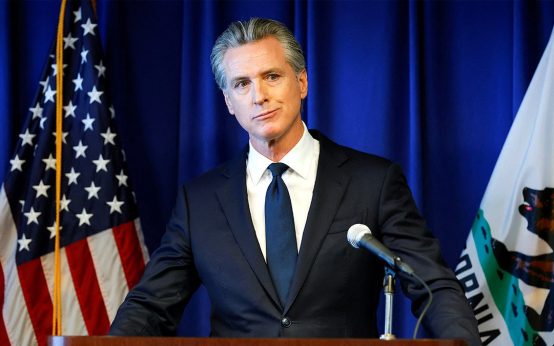 Controversy Surrounds Governor Newsom’s Death Sentence Commutation Plan
 Jewish Activist Criticizes Event Cancellation at CUNY School
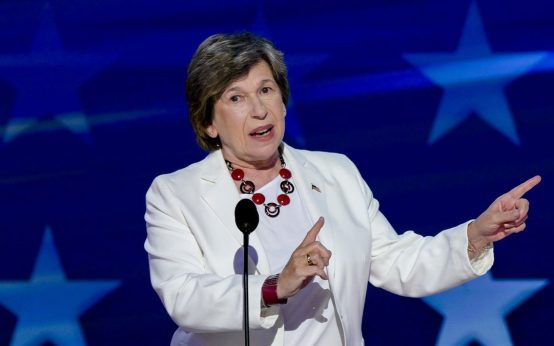 Debate on School Choice in Texas Elections
 Amy Klobuchar Takes On Governorship with Promises for Minnesota’s Growth
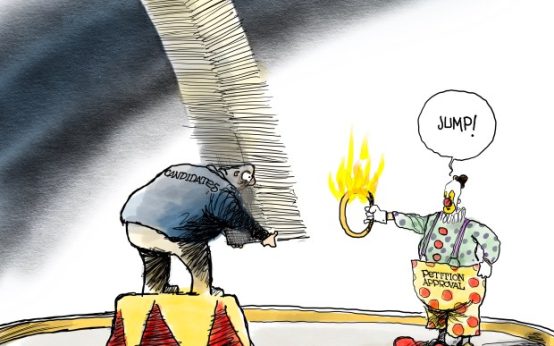 Challenges of Signature Requirements for Political Candidates in Illinois
 Debate Rekindled Over Gray Wolves and Livestock Losses