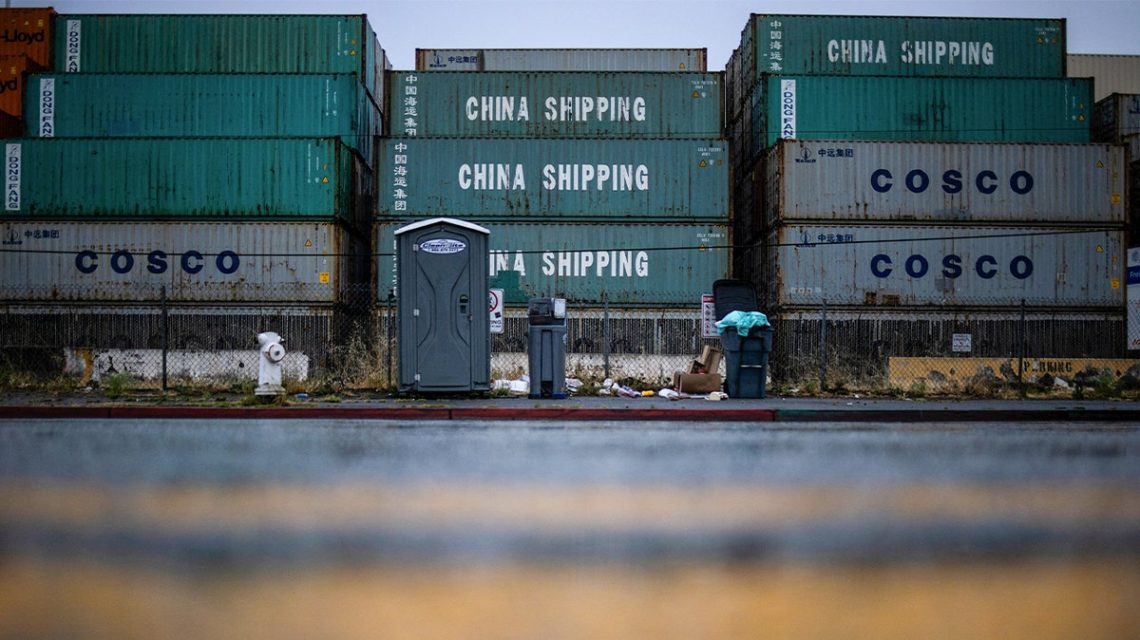
In December 2001, China officially became a member of the World Trade Organization (WTO), marking its full entry into the global economy. This pivotal moment occurred after the United States extended permanent normal trade relations status to China, a privilege usually reserved for allies such as the United Kingdom and Israel. This decision was supported by 83 senators, including myself, during my 14 years in the Senate.
Looking back, I consider this my most regrettable vote. Since joining the WTO, China has emerged as an economic and military giant. However, its ascent has been accompanied by actions that threaten global stability. China has committed acts of genocide against Uyghurs, Tibetans, and Falun Gong practitioners. Furthermore, it has formed alliances with authoritarian regimes, challenging the principles of the free world, and has fostered human rights violations globally. China’s nuclear arsenal is expanding, supported by a naval fleet surpassing that of the United States.
By allowing China to join the WTO, the U.S. made a fundamental policy error, believing that a communist China engaging in the global economy would become more open and free.
This assumption was profoundly misguided. Today, the call to terminate China’s permanent normal trade relations with the United States is growing louder. We are in a new Cold War, a situation reminiscent of the tension with the Soviet Union. Back then, we never granted such trading status to the Soviets. They were a recognized adversary, and the ideological battle between communism and capitalism was clear.
The Chinese Communist Party, however, approached differently. They initially pretended friendship, gaining strength to eventually challenge us. Contrarily, they claim that systems aren’t opposed and portray the U.S. as intent on hindering their rightful role in a multipolar world. This façade masks their real ambition of global domination. For decades, they’ve competed against us, yet only now are we acknowledging it.
Denying the Soviets access to American markets was a strategic victory, effectively weakening their military funding capabilities. When they couldn’t match President Ronald Reagan’s defense build-up financially, their economy faltered and collapsed. A similar strategy should be considered today.
Propose to China: guarantee religious freedom for all citizens, or the West will begin disentangling economic ties. Such a proposal mirrors the Helsinki Accord’s aim to link human rights with market access. The possible withdrawal of U.S. markets would economically harm China. In return, granting basic human rights would promote reform. Over 100 million Christians and many Falun Gong practitioners in China would welcome the chance to practice their faiths without restriction. Regions like Tibet and Xinjiang would welcome such changes.
If China declines, it clarifies the need for the United States and its allies to sever economic ties with a regime unwilling to support freedom. This argument becomes essential in explaining to Americans the impracticality of continuing free trade with a repressive communist government.
Democracies excel in recognizing and rectifying past errors. The world made a significant mistake with China 25 years ago. Now is the time to address it.
Sam Brownback served as ambassador at large for International Religious Freedom (2018–21) and is co-chair of the International Religious Freedom Summit.
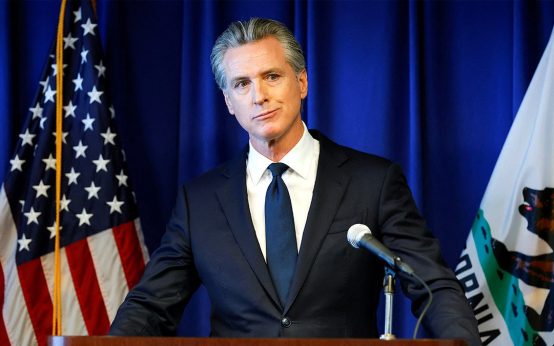 Controversy Surrounds Governor Newsom’s Death Sentence Commutation Plan
 Jewish Activist Criticizes Event Cancellation at CUNY School
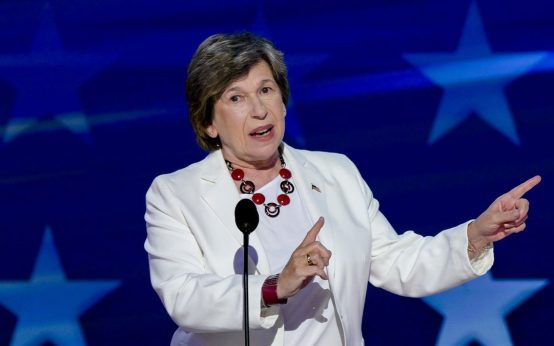 Debate on School Choice in Texas Elections
 Amy Klobuchar Takes On Governorship with Promises for Minnesota’s Growth
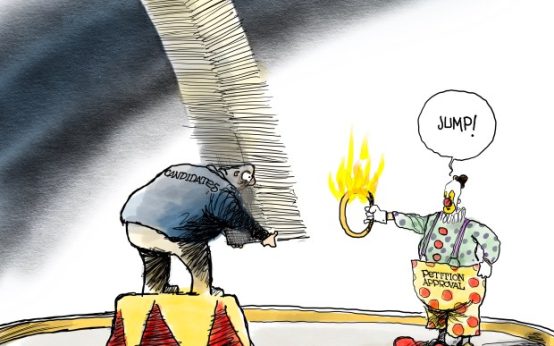 Challenges of Signature Requirements for Political Candidates in Illinois
 Debate Rekindled Over Gray Wolves and Livestock Losses