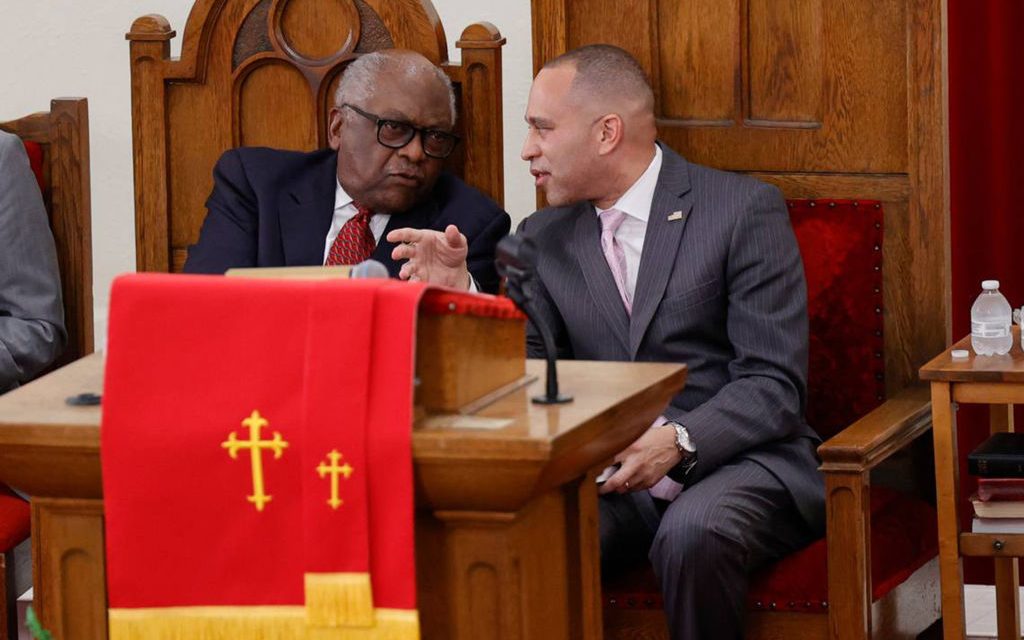
In 1870, Joseph Rainey of South Carolina became the first Black person to serve in the U.S. House. Today, House Democrats are set to choose Rep. Hakeem Jeffries as the first Black Speaker. This marks a significant moment for the New York Democrat and the Black community. Many Black leaders express the symbolic importance of Jeffries taking a role second in the presidential line of succession.
Rev. Frederick Haynes, a pastor elected to a U.S. House seat in Dallas, connects Jeffries to Martin Luther King Jr.’s vision of the American dream. As Speaker, Jeffries will outline the House’s legislative priorities, negotiate federal spending and policy, and lead the Democratic opposition against a Trump administration.
Democrats are on the cusp of having their largest majority since the early Obama years. The situation harkens back to 2008 when Obama’s election broke a racial barrier, raising hopes for economic relief and change. Rep. Jim Clyburn from South Carolina, advises Jeffries to conduct himself to ensure he won’t be the last Black Speaker.
Jeffries was prepared for this role since 2022 when Democrats chose him to succeed Nancy Pelosi as their leader. He has earned support from the Congressional Black Caucus and progressive members like Alexandria Ocasio-Cortez and Greg Casar.
Despite some progressive skepticism, Jeffries remains steadfast. His open letter to colleagues stresses the need for Democrats to deliver substantial change, beyond simply messaging bills. He intends to draw on insights from all parts of the Caucus.
Jeffries’ background in the Black church contributes to his approach. Haynes recalls meeting Jeffries at Cornerstone Baptist Church in Brooklyn, a pivotal place in the Civil Rights Movement. Jeffries’ determination to make a difference impressed Haynes.
Jeffries is part of a broader trend of religious leaders joining Congress, alongside Senators Adam Hamilton and James Talarico. Haynes sees Jeffries’ leadership as a chance to showcase the Black church’s moral tradition, deeply rooted in belief in democracy.
Carl Heastie, the first Black Speaker of the New York Assembly, identifies with Jeffries’ impending challenges. Heastie highlights a 2010 law that Jeffries championed, changing how New York counts incarcerated people for redistricting—affecting the Black population significantly.
Heastie praises Jeffries’ debating skills and views his promotion as proof that the American dream persists, emphasizing the pride in seeing Jeffries rise to this historic role.
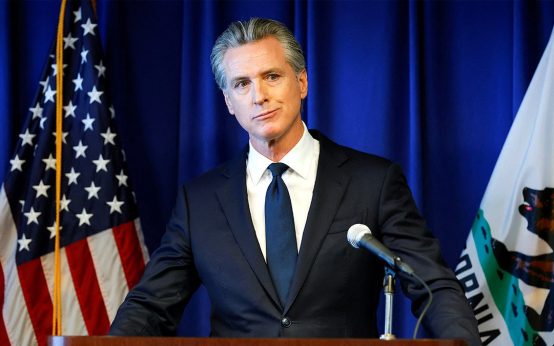 Controversy Surrounds Governor Newsom’s Death Sentence Commutation Plan
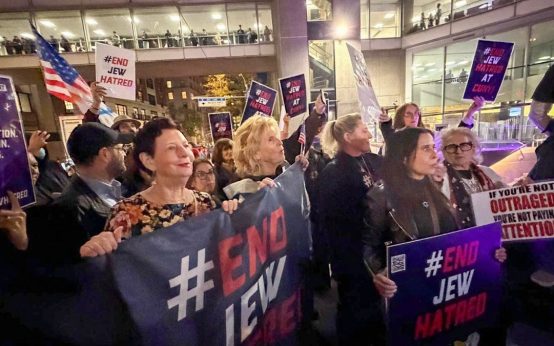 Jewish Activist Criticizes Event Cancellation at CUNY School
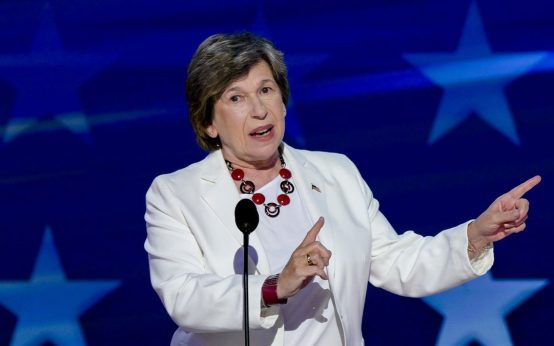 Debate on School Choice in Texas Elections
 Amy Klobuchar Takes On Governorship with Promises for Minnesota’s Growth
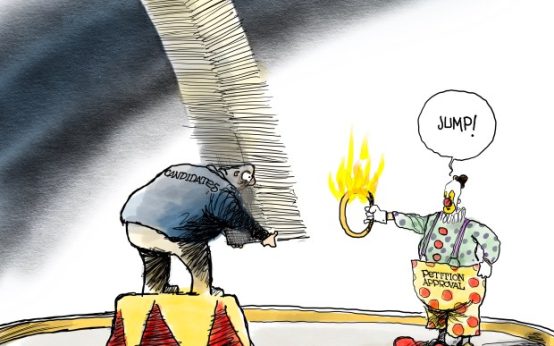 Challenges of Signature Requirements for Political Candidates in Illinois
 Debate Rekindled Over Gray Wolves and Livestock Losses