
Joey Amor’s wife, Master Sgt. Nicole Amor, was among the first six Americans to lose their lives in the conflict with Iran. The president and top military officials received their flag-draped caskets at Dover Air Force Base in March. Joey Amor remembers his wife as proud, constant, unwavering, and dedicated.
The six Americans were killed within the first day of fighting when an Iranian drone targeted an Army command post in Kuwait. This incident was Iran’s most fatal attack on U.S. forces, shattering any believed immunity from enemies skilled in new warfare tactics.
“There are soldiers signing up now, and they must trust that what happened to my wife won’t happen to them,” Joey Amor remarked to 60 Minutes.
Nicole Amor was part of the Army Reserve’s 103rd Sustainment Command, a unit her husband now criticizes. “I love those soldiers, and so did my wife, but the command of the 103rd mishandled this terribly,” he explained, blaming individual choices for the fatalities, not politics.
Investigation into First Deaths
An eight-month investigation examines the choices made by command officials regarding the first American deaths of the war. The day after the attack, Secretary of Defense Pete Hegseth claimed the soldiers were well-protected, even though a fortified operations center was hit by a powerful weapon.
Leading up to the war, the Pentagon removed most ground forces from Kuwait due to fear of retaliatory strikes. However, about 70 members of the 103rd, responsible for logistics, were moved to Port Shuaiba, approximately 65 miles from Iran.
“The protection there was meant to stop car bombs, not aerial attacks,” explained Maj. Stephen Ramsbottom, deputy chief of operations for the 103rd.
He voiced concerns about the threat of a drone attack to Brig. Gen. Clint Barnes and Maj. Gen. John Hinson, highlighting a lack of proper protection.
Lack of Defensive Measures
Ramsbottom and others requested a counter-drone defense system, which never arrived at Shuaiba. In a whistleblower complaint to Congress, Ramsbottom demanded an investigation into the absence of dedicated protections against drone attacks, pointing out the lack of medical facilities and an ambulance on-site.
Amor recounted how his wife was concerned about her unit’s safety shortly before her death, sensing that something was approaching. On the morning following initial strikes on Iran, soldiers at Port Shuaiba returned to their posts after an all-clear message, only to be hit by a drone 30 minutes later.
Survivors described the chaos of transporting wounded soldiers to local Kuwaiti hospitals, including Nicole Amor, who still had a chance at survival with proper planning, her husband believes.
Delivering the Heartbreaking News
Informing families of troop deaths often falls on fellow soldiers. Joey Amor tried to shield their children from the devastating news delivered by two soldiers. Their daughter didn’t comprehend the situation, while their son already understood the gravity.
Tina Marzan, wife of Chief Warrant Officer Robert Marzan, learned of her husband’s death through DNA identification, as soldiers had to match his hat to confirm. Despite honoring her late husband with military recognition, she feels neglected by the Pentagon, left in the dark about events leading to the incident.
60 Minutes reports that the Trump administration extended honors and outreach, but Gold Star families still feel uninformed. Tina Marzan and Michelle Tietjens, both widowed by the strike, demand truthful answers about the attack.
The Army concluded its investigation in June. Families are awaiting briefings this week on the findings.
“You trust your leaders to keep you safe,” said Joey Amor. “My wife’s death was avoidable, and I refuse to accept it as a cost of war.”
 Protests Erupt Against Data Centers in Spain
 Migration, Politics, Peace Talks, Health Alerts, Legal Settlements, and Fire Conviction News
 Pentagon’s Declassified Files Reveal Plans for Underground Facility and UFO Research
 Lewis Pugh Swims Strait of Hormuz Amid Conflict
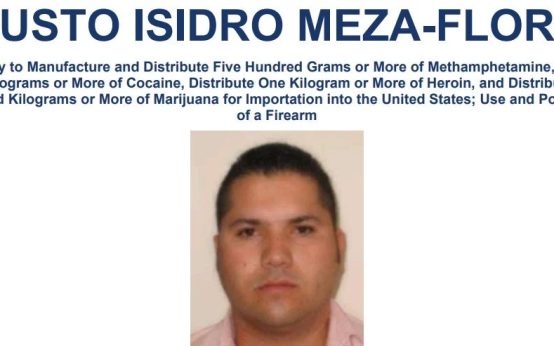 Cartel Boss Fausto Isidro Meza Flores Captured in Sinaloa, Mexico
 Trump Compares Historical Meeting with China and Russia to Yalta Conference