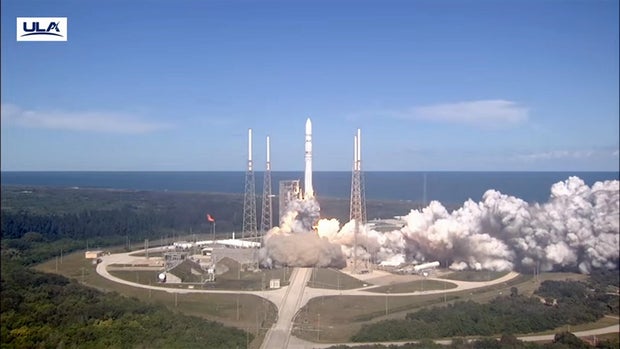
A significant malfunction occurred during the launch of United Launch Alliance’s (ULA) Vulcan rocket. This particular mission aimed to carry 40 Amazon Leo internet satellites into space. Unfortunately, the rocket experienced an anomaly about 10 minutes into flight, which resulted in the loss of the satellites.
ULA confirmed the failure shortly after liftoff. CEO Mark Peller stated that they are committed to working with all relevant parties to determine the cause and find corrective actions. The goal is to resume launches as soon as possible.
This incident marks ULA’s first outright failure since its founding in 2006. The Vulcan is replacing ULA’s Atlas 5 rockets, and Sunday was only its fifth flight. Engineers are now tasked with reviewing telemetry data to identify and fix the problem.
The previous delays in Vulcan’s launch were due to earlier issues with the nozzles of the strap-on boosters. ULA and supplier Northrop Grumman took significant measures to fix these problems, and the boosters performed normally on Sunday. The BE-4 engines, developed by Blue Origin, powered the rocket’s first stage but appeared to operate longer than planned.
During the mission, after the initial stage separation, the hydrogen-fueled Centaur upper stage was expected to burn for over 12 minutes. However, something went wrong during this phase, hindering the mission’s success. Specific details about this failure are not yet provided.
Amazon’s Leo satellites form part of their plan to rival other space-based internet services like Starlink. Sunday’s launch aimed to increase the number of launched satellites to 436. The full constellation will require over 3,300 satellites.
This setback forces Amazon to await the investigation’s outcome before resuming with Vulcan. Additionally, they are waiting for Blue Origin’s New Glenn rocket to resume operations following a separate failure last May.
The New Glenn failure stemmed from a valve issue in a BE-4 engine, which has since undergone a fix implemented on the Vulcan engines. Notably, Sunday’s launch was spectacular, but the unexplained technical issues resulted in tragedy.
NASA Administrator Jared Isaacman offered NASA’s assistance and pledged support for ULA’s investigation. ULA strives for transparency with their customers throughout this process.
The Vulcan rocket launched with impressive thrust from strap-on solid-fuel boosters and two BE-4 engines. The countdown faced a brief hold, but the technical issue was resolved allowing the liftoff to take place. Subsequent stages, however, did not unfold as hoped.
ULA had spent prior months addressing booster nozzle issues, having identified possible causes. Despite solving those, further complications arose with Sunday’s mission, clearly indicating further investigation and solutions are necessary.
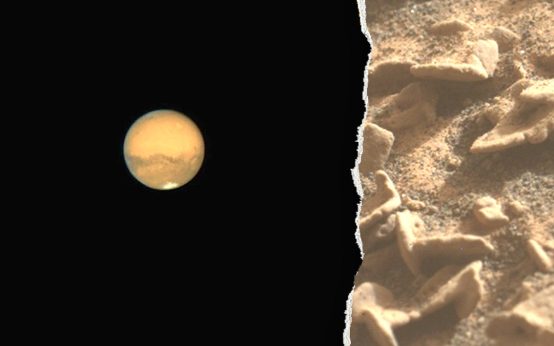 NASA Explores Unusual Martian Formations
 Newly Discovered Mini-Moon 2026 QQ8 Orbiting Earth Until 2027
 NASA Opens Applications for Aspiring Astronauts
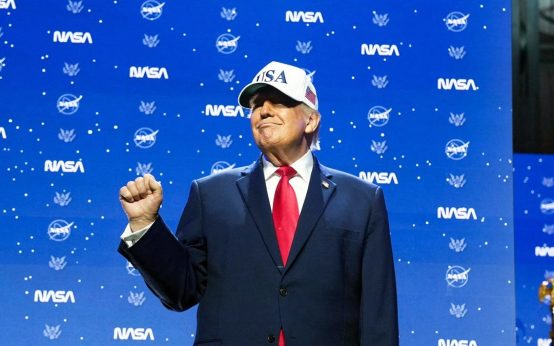 Trump Unveils NASA’s Mars Mission Plans
 NASA’s Swift Observatory Reenters Earth’s Atmosphere
 NASA’s Swift Observatory Set to Re-enter Earth’s Atmosphere