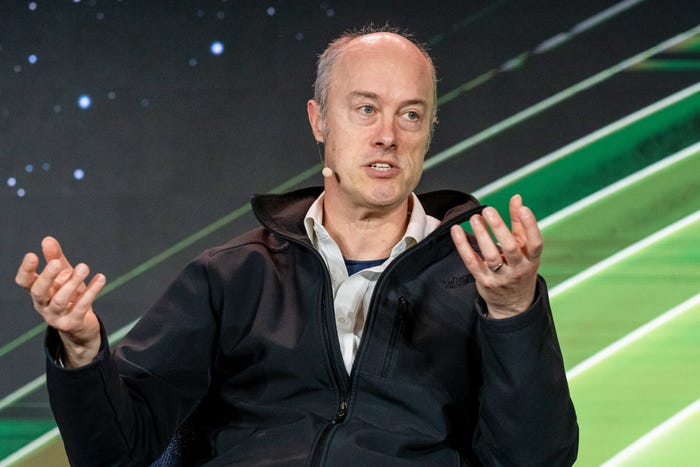
Ian Buck has been instrumental in building CUDA, Nvidia’s essential software platform. As Nvidia enters a new era post-Jensen Huang, Buck’s role becomes increasingly significant in shaping the company’s future. Having spent more than two decades at Nvidia, Buck’s contributions are deeply embedded in the company’s history.
He began working with Huang in 2004 on CUDA, when the team consisted of just two people and two libraries. Today, CUDA supports over 900 libraries across various industries using Nvidia technology. Buck’s influence is essential as the company maintains its market share in AI computing, strategically defended by CUDA.
The Evolution of CUDA
CUDA began with two libraries and has expanded to over 500. Ian Buck, along with John Nickolls, was pivotal in transforming GPUs into powerful supercomputing machines. Buck’s dedication to increasing computing speed is mirrored in Nvidia’s development of a framework enabling the use of the existing C language to harness GPUs for parallel computing. This innovation allowed CUDA to become a cornerstone in AI development.
Huang’s decision to make every Nvidia chip compatible with CUDA, despite initial losses, eventually paid off as CUDA became an integral part of AI computing. This foresight positioned Nvidia at the forefront of the AI revolution, especially as industries directed significant infrastructure spending toward Nvidia’s technologies.
Buck’s Leadership and Vision
Buck, characterized as gregarious and focused, thrives in Nvidia’s demanding environment. Known for his results-driven approach, he bridges complex technical concepts to layman’s terms. This ability is crucial for Nvidia’s leadership, as the company targets emerging AI markets and technologies.
Nvidia partners and industry analysts recognize Buck’s technical prowess and ability to maintain Nvidia’s competitive edge. As competition intensifies, Buck’s continuous engagement with researchers is vital to anticipate AI advancements and meet evolving demands.
Looking Ahead
Buck’s mission is to adapt the GPU for diverse industries. CUDA’s network of developers fuels the platform’s evolution, ensuring Nvidia remains competitive. New challengers attempt to penetrate CUDA’s dominance, but Nvidia’s head start remains an advantage. The demand for CUDA engineers is on the rise, reflecting its continued relevance.
Talent acquisition is a critical focus for Nvidia. Buck’s expertise attracts top developers, vital for maintaining leadership in AI. Following Huang’s departure, Nvidia must retain talent to sustain its growth trajectory.
Potential Future Leadership
With Huang’s resignation, speculation surrounds Nvidia’s next CEO. Buck, much younger and part of Huang’s core team, has been considered as a potential successor. Despite not being heavily involved in business strategy, Buck’s technical mastery is unparalleled.
 Amazon Enlists NYC Customers Against City Council Bill
 The Controversy Surrounding Jensen Huang and Nvidia
 GAO Finds Federal Agencies Lacking in Cybersecurity Planning
 Grand Theft Auto VI Sparks Relationship Challenges
 AI and Robotics Redefining Workforce Skills
 Cybersecurity Breach Exposes Bank Customer Data