
Three House Republicans have joined U.S. Representative Thomas Massie to force another vote on files related to Jeffrey Epstein, the sex offender who died in jail in 2019. This development marks a bipartisan victory for the Kentucky congressman, following the blocking of his effort to impeach Defense Secretary Pete Hegseth a day earlier.
Massie announced that his discharge petition for the Epstein Files Transparency Act II reached the required 218 signatures. Republicans Brian Fitzpatrick, Nancy Mace, and Ralph Norman, along with House Democrats, are backing this effort. This move aligns with the Democrats preparing to control Congress after their midterm victories, highlighting a renewed focus on the Epstein investigation.
Robert Garcia, a leading Democrat on the House Oversight Committee, also signed the petition. He has promised hearings and more scrutiny, accusing the Justice Department of withholding millions of pages of Epstein-related material. Massie expressed his satisfaction with reaching the required signatures in a post on X. Meanwhile, the White House referred Newsweek to a social media post by President Donald Trump when asked for comments. However, the post didn’t mention the Epstein files.
A discharge petition allows lawmakers to bypass House leadership and bring legislation to a floor vote if it receives signatures from a majority of the House. Massie initiated this process on August 31 and secured the first required signature. The last signatures needed came from Democrats, with U.S. Representatives Adam Smith and John Garamendi being the final contributors to reach 218.
Background on the Epstein Files Transparency Act II
The original Epstein Files Transparency Act was signed by Trump in November 2025. It required the Justice Department to publish nearly all unclassified records related to Epstein. Although the department released around 3.5 million pages, lawmakers argue more information remains unpublished, citing extensive redactions and withheld records. The proposed Act II would allow survivors, state officials, and Congress members to sue the Attorney General to enforce the original law. Massie introduced this bill in mid-July with U.S. Representatives Ro Khanna and Teresa Leger Fernández.
Massie criticized the Department of Justice for not complying with the original act’s disclosure requirements, stating that over 3 million files are still unlawfully withheld. He argues that state attorneys general and victims should have the right to sue to compel compliance with the transparency law.
This recent effort sees Massie supported by three Republicans, echoing the initial coalition for the first Epstein legislation. Originally, Mace, Representative Lauren Boebert, and former Representative Marjorie Taylor Greene backed the effort.
Massie and Mace are leaving Congress, with Massie losing his primary to a Trump-backed challenger and Mace pursuing a gubernatorial run in South Carolina without success. Mace attributed her loss of Trump’s endorsement to her push for releasing the Epstein files.
Next Steps
The Epstein Files Transparency Act II is progressing towards a House vote, following Massie’s successful discharge petition. According to House rules, the petition must sit for seven legislative days before any signer can move to bring it to the floor. A specific vote date is not set, but there is potential for the current Congress to consider the legislation before the new Congress takes office in January. If approved, the measure would still need Senate approval and Trump’s signature to become law.
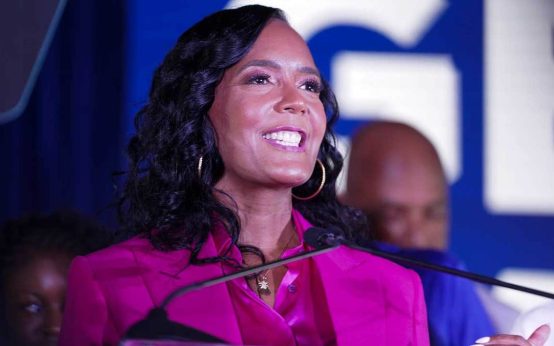 Victories for Guaranteed Income Proponents in Recent Elections
 Republican Race for 2028 and Speculation on Candidates
 Senator-Elect Abdul El-Sayed Urges Secretary of War Pete Hegseth to Resign
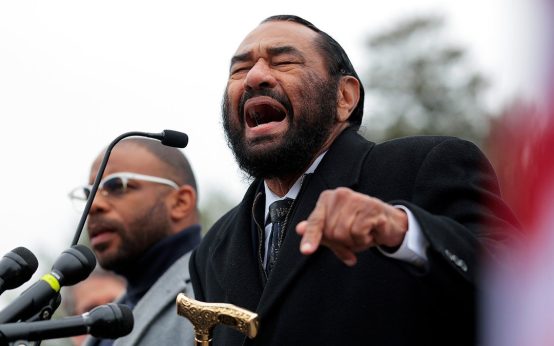 Democratic Efforts to Impeach Trump to Continue
 Jewish Doctor Granted Union Exemption Over Religious Beliefs
 Rachel Maddow Advocates for Democratic Party Debate Post-Elections