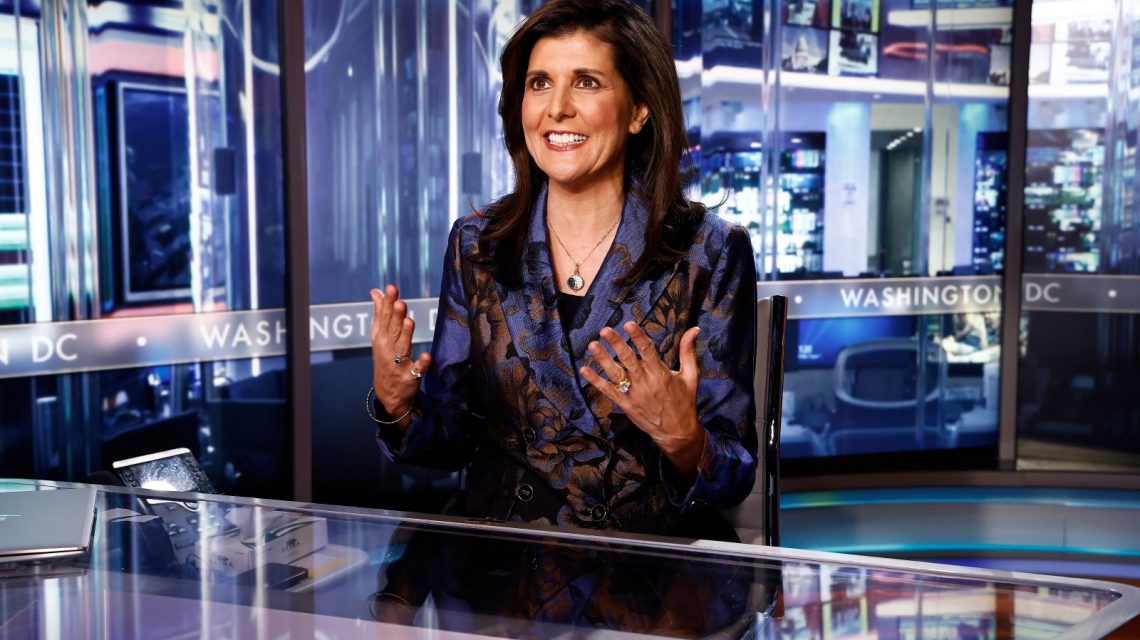
Nikki Haley, previously the Republican governor of South Carolina and a former United Nations ambassador under Donald Trump, announced she is not running in the 2028 presidential election. Conversations about potential successors to the MAGA movement are circulating. Haley stated, “I am not running in 2028, but I will continue discussing issues I care about. I will push for good policy and support strong candidates. We want a strong America.” She acknowledged Democrats have a “very talented” lineup for 2028, and Republicans, too, could present a formidable slate.
Following the Republicans’ significant midterm election setbacks, where they lost both House and Senate majorities, Florida Governor Ron DeSantis has criticized the party. He mentioned a lack of productivity, viewing the election result as a “rebuke” of Trump and congressional Republicans.
Speculation arose after DeSantis’ post-midterm media appearances, suggesting he might be eyeing another presidential run. Asked about a potential 2028 candidacy by CNN’s Jake Tapper, he responded he hasn’t “planned anything.” Similarly, discussions around Secretary of State Marco Rubio and Vice President JD Vance increased as Trump considered whether he would endorse any candidates. In a “60 Minutes” interview, Trump remarked, “Maybe I’m better off not getting involved.”
Chris Christie, a former New Jersey governor and unsuccessful 2024 presidential candidate, criticized DeSantis in an interview on New Hampshire’s WGIR New Radio. He is contemplating a 2028 run himself. Christie commented, “They’ve pushed me in the direction of considering it now. … I think anyone from the Trump administration in recent years won’t secure election in the general.” He further labeled DeSantis as “a Trump guy,” suggesting the need for leaders with consistent principles, which he does not attribute to DeSantis.
The Republican Party’s struggles in the midterms prompted reflection among Trump administration officials. Vance highlighted key issues like ending the Iran conflict, addressing inflation, prioritizing America, and re-evaluating ties with Israel.
When asked about 2028 post-midterms, Trump noted, “We’ll see what happens. … You don’t know who’s talking about running.” Last month, Vance indicated he anticipated Trump’s endorsement if he officially ran in 2028, adding they hadn’t discussed it.
Robert Y. Shapiro, a political science professor at Columbia, highlighted that Nikki Haley remains untainted by recent election losses, benefiting figures like Marco Rubio and Ted Cruz. Grant Reeher from Syracuse University stated that Haley’s stance could benefit more traditional or moderate Republican candidates. He cited Marco Rubio as a notable figure, emphasizing it’s too early to rule anyone out with credibility.
While the Republican Party reassesses after the midterms, Rubio’s name gains traction. Representative Marlin Stutzman expressed support, stating, “I hope he runs. I think he’s the best person to communicate, to unify.” Representative Mike Haridopolos also praised Rubio, declaring, “No question he’s ready to be president if he chooses to pursue the office.” However, Rubio himself refrained from discussing 2028 intentions.
Prediction markets like Kalshi on Wednesday evening speculated Vance has a 33 percent likelihood of clinching the GOP presidential nomination. DeSantis and Rubio each stood at 16 percent on the same platform. On Polymarket, Vance was at 31 percent, with Rubio at 18 percent, and DeSantis at 16 percent. Other prospective candidates, such as Ted Cruz and Thomas Massie, appeared with single-digit probabilities.
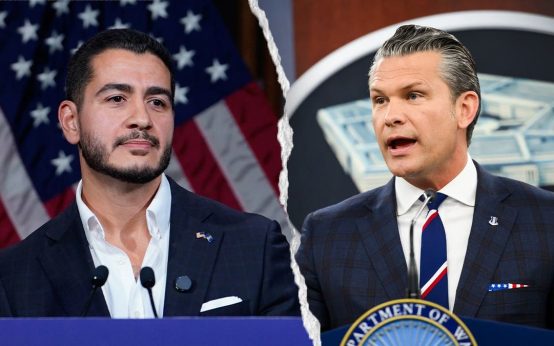 Senator-Elect Abdul El-Sayed Urges Secretary of War Pete Hegseth to Resign
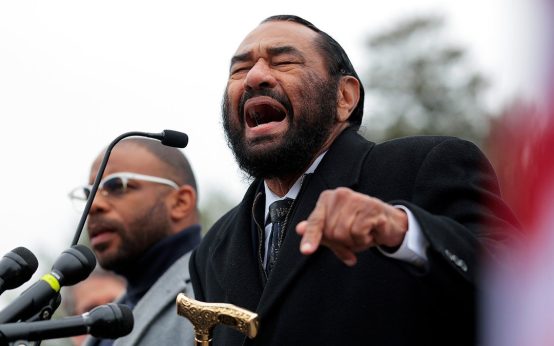 Democratic Efforts to Impeach Trump to Continue
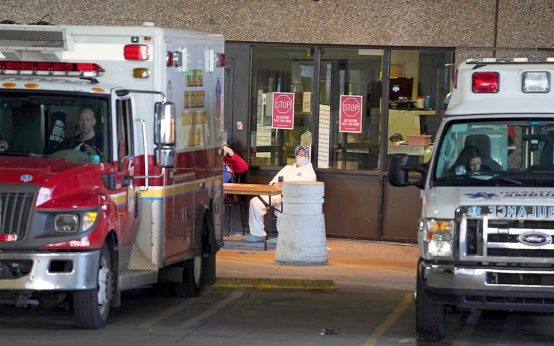 Jewish Doctor Granted Union Exemption Over Religious Beliefs
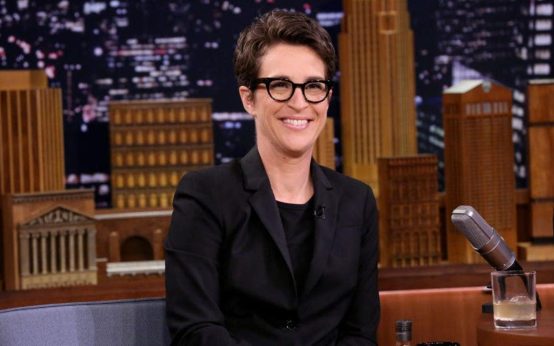 Rachel Maddow Advocates for Democratic Party Debate Post-Elections
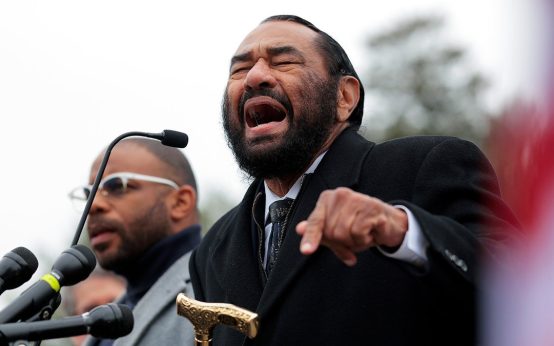 Progressive Democrats Aim to Impeach Trump
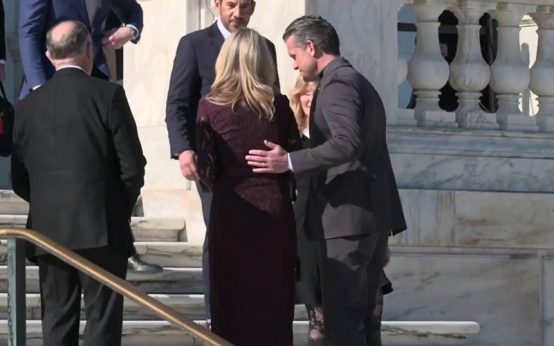 Army Sentinel Reprimands Hegseth’s Group at Tomb of the Unknown Soldier