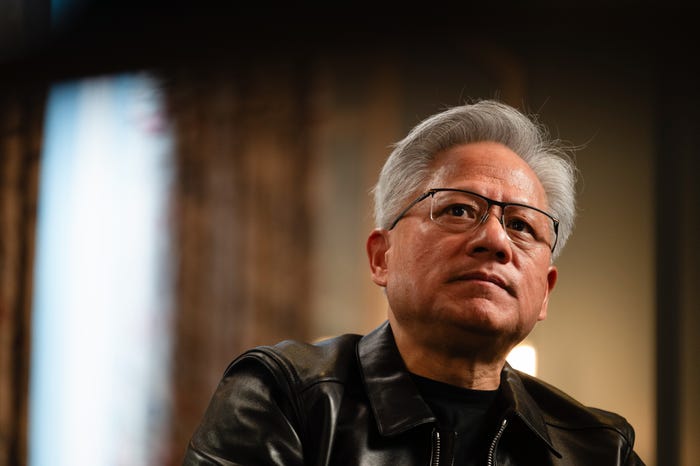
Jensen Huang, CEO of Nvidia, finds himself entangled in a scenario reminiscent of traditional espionage tactics. Allegations suggest Huang was the target of a foreign intelligence operation. His admission of an affair highlights vulnerabilities in corporate security amidst the modern landscape of AI chips and national security.
Fred Burton, former US Diplomatic Security Service special agent, has emphasized the prolonged and strategic approach of China’s Ministry of State Security and People’s Liberation Army. For executives with access to sensitive information, this scenario raises questions: How can one identify if their partner might be a spy?
Patterns and Risks
Will Geddes from International Corporate Protection Group explains that intelligence operations often don’t start with overt propositions. Instead, they involve meticulous research into a target’s lifestyle, including travel, routines, and personal vulnerabilities. The objective is to stage seemingly chance encounters that are anything but accidental.
In Huang’s case, Alice Huang, a former executive at Nvidia client Megaspeed, is suspected by US officials to be linked with China’s Ministry of State Security. They have appeared in public together several times since 2024, stirring suspicions despite China’s denial of the allegations.
Identifying Red Flags
Eric O’Neill, former FBI counterintelligence operative, suggests several key questions for executives to consider if they become suspicious of someone close to them. They should evaluate the origin and pace of the relationship and whether the person has shown an unusual interest in their business and personal life. A comprehensive check of new or suspicious acquaintances’ backgrounds is critical, though often neglected.
O’Neill also recommends keeping personal and professional lives separate by using distinct devices and multi-factor authentication for sensitive accounts.
Case Studies and Implications
Although documented incidents of corporate leaders falling prey to espionage are sparse, the strategies are well known. For example, former Army officer David Slater shared classified data with an individual posing as a Ukrainian woman, leading to his conviction in 2025.
In another instance, Chinese national Christine Fang was involved in intelligence operations that reportedly included relationships with politicians. Such cases emphasize the persisting efficacy of traditional espionage methods.
While the investigation into Huang continues and details remain uncertain, the repercussions for Nvidia are significant. The incident serves as a cautionary tale for companies at the forefront of technology to remain vigilant against unseen threats.
 Nvidia’s Healthcare VP Kimberly Powell’s Journey and Controversies
 Alice Huang: Allegations and an Intricate Past
 T-Mobile’s Smartwatch Deals: Apple Watch Series 12 and Google Pixel Watch 5
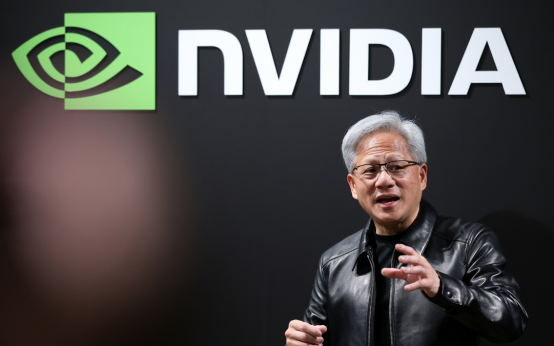 Foreign Espionage Tactics Target American Tech Executives
 Alex Karp’s Changing Stance and Palantir’s Controversial Role
 Amazon’s Prime Air Drone Delivery Service Begins in Suburban Areas