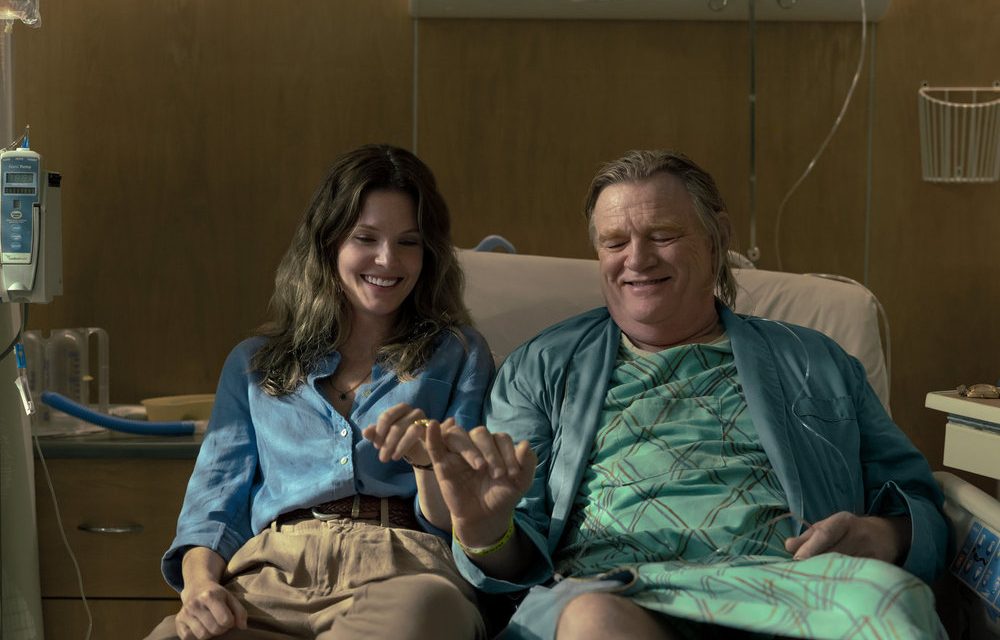
‘The Good Daughter’ begins with an intense act of violence that often marks the climax in thrillers. In a small town in Georgia, two masked gunmen seek revenge on a defense lawyer but only find his wife and daughters at home. This traumatic event unfolds into a nightmare with lasting effects on the sisters’ adult lives. Premiering on Peacock on Nov. 12, the series uses this initial trauma to explore a series of distressing events across its six episodes.
Years later, Charlie Quinn, the younger sister, works as a lawyer alongside her father, Rusty. Both are outcasts in their town, where Rusty is blamed for numerous alleged miscarriages of justice. Rusty is unwell and drinks heavily. Meanwhile, Charlie, now separated from her husband, wakes to find a phone belonging to a man she met the night before.
She takes the phone to the local high school, a place marked by painful memories from her past. There, she witnesses a deadly shooting involving a girl named Kelly, who appears to be an unlikely suspect. Kelly becomes Rusty’s client, as her circumstances echo his flawed reputation.
Charlie’s older sister, Sam, returns home to assist with Kelly’s case. She is a patent lawyer embodying the opposite traits of her family, maintaining a wealthy and controlled urban life. Despite the skilled performances by Fahy, Gleeson, and Byrne, the series struggles with a script that leans heavily on coincidences and implausible events.
The narrative, adapted from Karin Slaughter’s 2017 novel, compiles a litany of misfortunes experienced by women. It highlights gender-based violence, a common theme in the genre, yet fails to delve into deeper mysteries. For instance, it barely addresses why Rusty remains in a town and profession that has harmed his family. Concepts about who holds storytelling power and control over narratives are touched upon but not thoroughly explored.
 Frankie Muniz Involved in Crash During Racing Practice
 An Unforgettable Night at the Theater: Stacy Keach’s Resilient Performance
 Don Omar Postpones North American Tour Due to Illness
 Lady Delilah: A Fresh Supper Club Experience in New York
 90 Day: Florida Set to Premiere on TLC
 Ben Savage Supported Danielle Fishel in Contract Negotiations on ‘Boy Meets World’