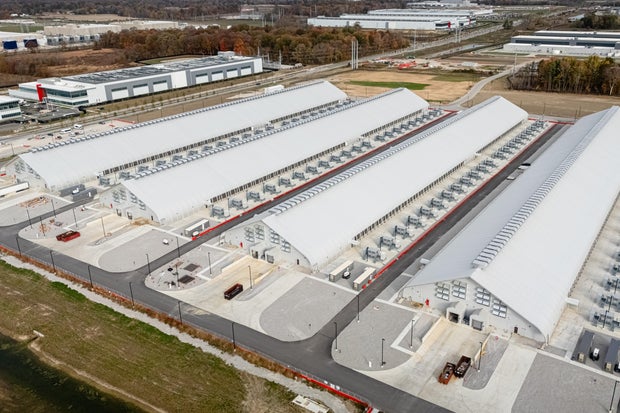
With data centers proliferating across the United States, questions about energy infrastructure costs and who shoulders them are prominent in economic and political discussions. A recent study provides insights into these pressing issues.
Conducted by Cornell University researchers and published in Nature Energy, the study reveals that AI data centers significantly impact energy costs, particularly burdening lower-income and rural households. In 2025, these groups faced disproportionate financial challenges compared to the data centers themselves.
Study Overview
The research analyzed energy demand and infrastructure growth across four major U.S. power grids from 2020 to 2025. It investigated data from 4,000 existing and proposed data centers nationwide. The findings indicated that the AI boom has driven energy costs up, primarily affecting those who gain the least from technological advancements.
Energy Cost Disparities
Data centers tend to raise wholesale power prices. These prices emerge from an open marketplace where electricity is traded between generators and utilities before reaching consumers. Power grids already under strain experienced the highest price hikes.
In California’s Southern Bay Area, data centers pushed wholesale energy prices up by nearly 20% last year. Dallas-Fort Worth in Texas saw a 17% hike in 2025. Conversely, New York, with fewer data centers, showed no substantial changes in wholesale prices.
Downstream Effects on Consumers
Increased wholesale prices affected consumers as they absorbed the cost of constructing transmission for data centers. Spending on power grids surged from $2 billion in 2020 to $34.2 billion in 2025. Data centers contributed $8.25 billion to infrastructure costs, while residential users accounted for under $3.5 billion but were billed over $16 billion. Data centers were billed about $3 billion.
Researchers noted that outdated cost allocation formulas distribute expenses based on past consumption, not new growth, leading to a significant burden on households.
“It’s kind of a chicken-and-egg problem,” said study author Fengqi You. “You need to expand the power infrastructure for data centers to operate. But until they’re built, they’re not consuming energy.”
Residents in rural and lower-income regions faced energy cost increases that were 76% higher than urban communities. Despite data centers clustering around metropolitan areas, the related financial burdens extend to suburban and rural areas due to energy cost-sharing policies.
Geographical and Regulatory Considerations
The study highlighted a “paradoxical mismatch” in states with raised energy costs due to data centers and their levels of AI technology use. States like West Virginia and Ohio had high cost increases and low AI usage compared to other states.
Some states experienced price hikes due to distant AI data centers, effectively funding infrastructure from which they don’t benefit. For example, New Jersey and Pennsylvania residents helped finance grid updates linked to Virginia’s data center growth.
“You do not have to live next to a data center to help pay for its power infrastructure,” noted You. “The grid connects communities across states, and cost-sharing rules create financial links.”
Researchers proposed data centers reduce energy use during peak hours or directly compensate states for the added demand. With data center regulation a key topic in recent elections, these findings aim to inform legislative decisions.
“This issue ties directly to debates across many states and Congress,” said You. “We aim to offer evidence and data to help stakeholders understand and evaluate their options.”
 Aspen Fire Crews Train with New Firefighting Drones
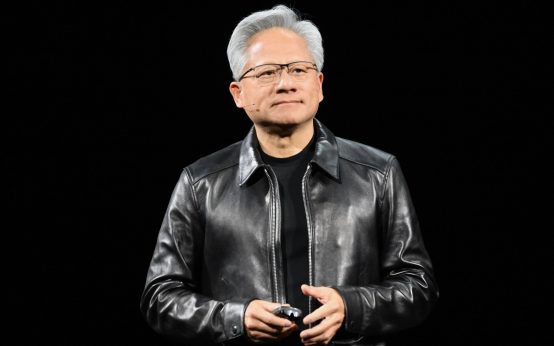 Nvidia Faces Uncertainty Amid Investigation Involving CEO Jensen Huang
 Web Summit 2026 Day 2 Canceled Due to Storm Charles
 AI Agents Rarely Used for Food and Ride-Ordering on Popular Apps
 Military Briefing Warning, West Point Faculty Speech, Pupfish Recovery, Gas Price Drop, and More
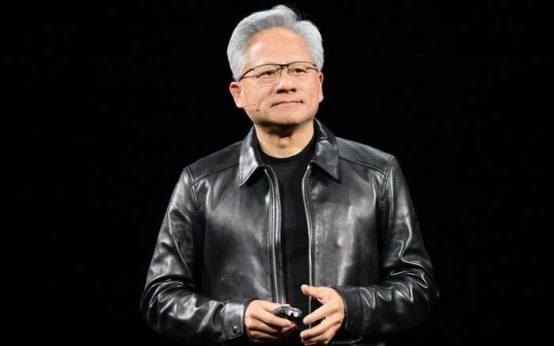 The Uncertain Future of Jensen Huang Amid Nvidia’s Turmoil