
The U.S. Attorney’s Office for the Western District of Washington announced it lacks the resources to defend every case against Immigration and Customs Enforcement (ICE). Acting U.S. Attorney Charles Floyd indicated in a letter to U.S. District Judge David Estudillo that his office faces a high volume of habeas corpus cases. These cases, challenging government detention, are filed in dozens each week. Thus, the office will not oppose many such cases moving forward.
The wave of litigation follows judicial decisions against the Trump administration in numerous cases where detainees claim that ICE illegally detains them. The surge in cases stems from the administration’s aggressive immigration policies, resulting in over 93,000 habeas cases filed nationwide since January 2025, according to a ProPublica tracker. Rulings ordering detainee releases have criticized ICE for due process violations.
Floyd’s letter highlighted how the surge burdens the government’s capacity to respond and handle other civil litigation. Responding to each case requires extensive litigation work, including status reports and briefings. Given resource constraints, the office will no longer assume responsibility for defending many habeas cases.
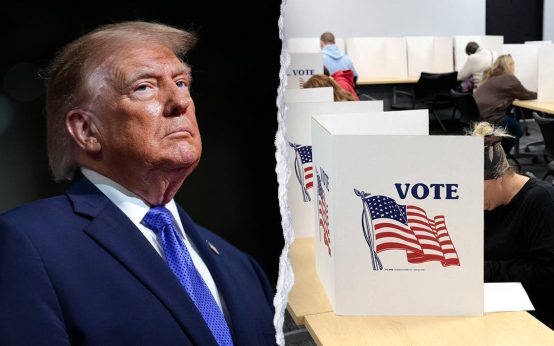
In related news, former President Trump admitted on CBS’ 60 Minutes that the deportation strategy was excessively harsh, affecting Republicans in the recent elections. He stated that while closing the border earned him praise, deporting individuals with jobs and ties in the country drew criticism. Trump’s remarks followed Stephen Miller’s promotion to White House chief of staff, hinting at further policy developments.
Meanwhile, the U.S. Supreme Court is set to review a policy denying bond hearings to certain immigrants. Floyd, with experience as an immigration judge, has supported prohibiting bond in immigration courts. The review will address whether immigrants entering illegally can receive bond hearings or must remain detained. The Department of Homeland Security anticipates the court’s ruling, as varying federal courts have delivered mixed opinions on this issue.
The American Civil Liberties Union (ACLU) represents many immigrants challenging this policy. Michael K.T. Tan of the ACLU argues that prolonged detention without bond hearings contradicts federal law. While most appeals courts oppose the administration’s interpretation, some circuits agree with mandatory detention policies. Oral arguments are scheduled for early 2027, with a decision expected in summer.
 Sen.-Elect James Talarico Meets Sen. John Cornyn in Washington, D.C.
 Californians Moving to Texas: Political Impact and Motivations
 Republican Push to Impeach Defense Secretary Pete Hegseth
 Democratic Shift Unlikely to Reverse U.S. Trade Policies
 Midterm Elections Highlight Inflation Concerns and Democratic Gains
 Defense Secretary Pete Hegseth Addresses Impeachment Efforts