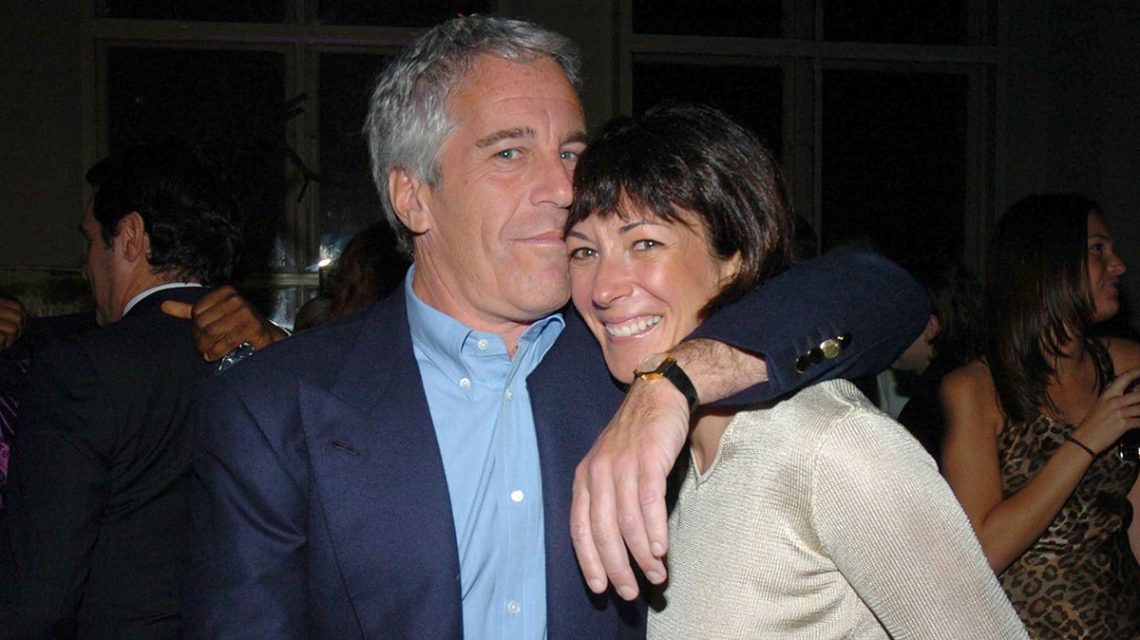
The House Oversight Committee has released a report highlighting failures in prosecution and preferential treatment that allowed Jeffrey Epstein and Ghislaine Maxwell to exploit young women for years. Under the leadership of Chairman James Comer, concerns were raised about the potential conflicts of interest involving federal prosecutors and financial institutions that overlooked sex trafficking warning signs. Several individuals were accused of facilitating Epstein’s abuse.
Conflicts of Interest in Epstein’s Investigation
The report identified two former federal prosecutors involved in Epstein’s original investigation, raising potential conflicts of interest. Matthew Menchel, a senior federal prosecutor, suggested resolving Epstein’s case through a non-prosecution agreement. He had a past romantic relationship with Lilly Ann Sanchez, who later defended Epstein. Menchel did not step back from the investigation even after leaving the U.S. Attorney’s Office, a point of concern noted by the committee.
Bruce Reinhart, another former federal prosecutor, established a private practice while employed by the U.S. Attorney’s Office and later represented Epstein associates. His involvement in Epstein’s work-release program was scrutinized.
Further Testimonies and Allegations
Epstein’s former assistant, Sarah Kellen, testified that both the former Mayor of Miami Beach Philip Levine and celebrity hairstylist Frédéric Fekkai were involved in her abuse by Epstein. Both men denied these allegations. Kellen also testified about removing crucial equipment from Epstein’s Palm Beach property before authorities arrived, which might have contained evidence of sexual exploitation.
Sandy Berger, a former national security advisor, allegedly sent Epstein an urgent message shortly before a search, but no evidence was found linking this to the investigation.
Investigations and Recommendations
The committee recommended that the Justice Department investigate Lesley Groff, Epstein’s longtime executive assistant, further. She coordinated Epstein’s schedules but claimed unawareness of his abusive acts. Despite his 2008 conviction, Epstein’s privileges and work-release conditions allowed continued abuses.
The investigation also scrutinized Epstein’s ties with public figures, including billionaire Bill Gates and Commerce Secretary Howard Lutnick. Gates and Lutnick clarified their relationships, emphasizing they did not partake in Epstein’s criminal activities.
Revelations on Financial and Political Connections
Epstein’s post-conviction income included payments from billionaire Leon Black for tax and estate services. Black allegedly followed Epstein’s advice on a confidentiality agreement involving an extramarital relationship.
The report also mentioned Kathryn Ruemmler, former White House counsel, who received lavish gifts from Epstein. She maintained her professional relationship with him, believing he had resolved his legal issues.
Rep. Stacey Plaskett of the Virgin Islands had text exchanges with Epstein during a congressional hearing, but the committee did not allege misconduct. An email involving House Democratic leader Hakeem Jeffries’ campaign seeking donations from Epstein was noted; however, no contributions were recorded.
Concluding Points
The committee identified serious security lapses in Epstein’s prison leading to his 2019 death. Officially ruled as suicide, these details contributed to their investigative conclusions. The Justice Department was criticized for missing deadlines and mishandling sensitive information in document disclosures.
The Republican-led investigation did not find evidence of President Donald Trump’s involvement in Epstein’s crimes and criticized Democrats for politicizing the issue.