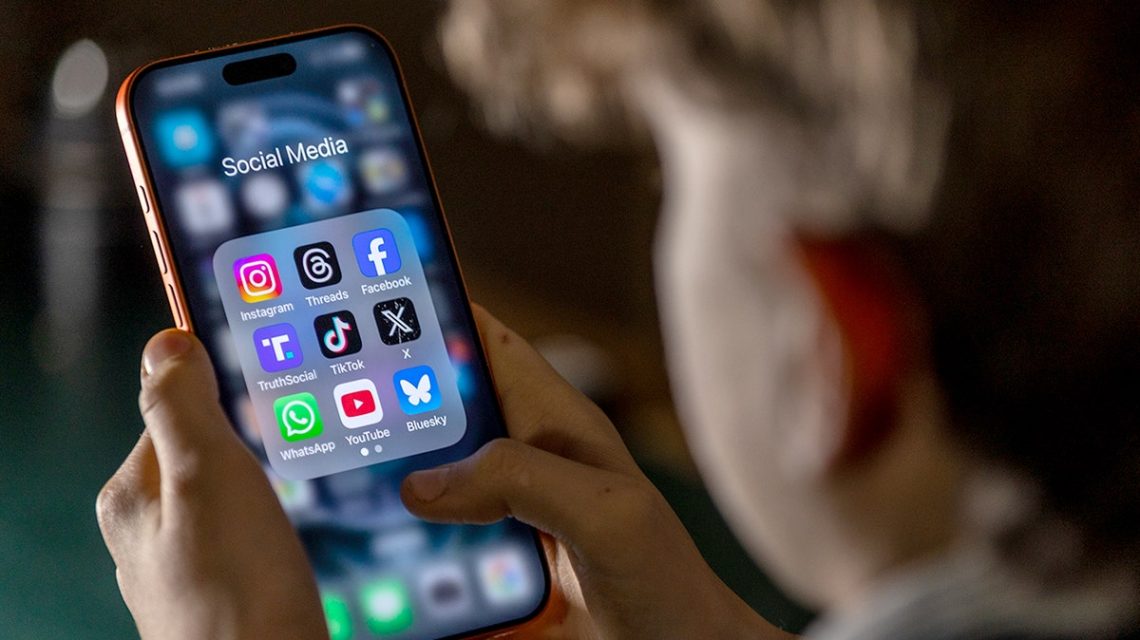
Imagine you share photos from a concert on Instagram. The next day, you receive an email from the venue, offering exclusive photos of the show. The email mentions the artist you saw and references the night you attended. Everything seems legitimate, and you might click without thinking. But what if a scammer used artificial intelligence to gather details from your social media posts?
Researchers at the University of Texas at Arlington have discovered a concerning trend. AI tools can scan public social media accounts and craft highly convincing phishing emails. The technology can do this on a large scale, which previously required more time and effort.
AI and Social Media: A Risky Combo
Consider your recent social media updates. Could someone use those details to trick you into believing an email is legitimate? According to this research, yes, they can. The study highlights how AI-generated phishing scams are evolving to be more personal and harder to detect.
Researchers demonstrated that public social media profiles provide personal details that scammers can exploit. A technique called context-aware spear phishing allows scammers to tailor messages that feel personal. For example, if you posted about a recent trip to Brazil, a scammer might send an email that looks like it’s from your hotel, offering a discount on a future stay.
AI Scam Techniques Explained
The research team, including Shirin Nilizadeh and colleagues, explored how AI analyzes social media to create personalized phishing emails. Their study of public Instagram accounts revealed that only 10 posts could supply enough information for targeted messages. They tested this with over 18,000 AI-generated emails, finding them more convincing than real-world phishing examples.
This approach means even simple updates, like sharing excitement about an upcoming concert, could turn into a phishing attempt offering fake ticket confirmations.
The Threat of AI-Generated Phishing
Scammers exploiting AI don’t need to hack your social media accounts. If your profile is public, they can collect details you’ve shared. An email referencing a restaurant or concert you attended seems harmless, but it exploits familiar timing and details to appear legitimate.
AI can also create professional-sounding messages, removing traditional warning signs like poor spelling or awkward phrasing. This makes detecting these scams more challenging.
Weaknesses in AI Safety Filters
While you might assume AI companies have safeguards against misuse, researchers found vulnerabilities. Three tested safety tools detected only a small percentage of personalized phishing requests. Enhanced instructions improved detection rates significantly, suggesting more robust safeguards are possible.
The researchers kept detailed instructions for creating phishing emails private to prevent aiding criminals. They urge AI companies to strengthen protections against targeted attacks.
Protecting Yourself from AI Phishing Scams
- Make social media accounts private to limit strangers’ access to your posts.
- Avoid sharing your location in real time to protect against targeted scams.
- Verify unexpected emails before clicking, especially those referencing recent activities.
- Use strong antivirus software to protect against phishing attacks.
- Consider personal data removal services to reduce available personal information.
- Use strong, unique passwords and enable multifactor authentication.
- Keep devices and security software updated to close vulnerabilities.
Responding to Scams
If you click a suspicious link, stop interacting immediately. Close the page and scan your device for malware. Change compromised passwords and review account activity. Contact your bank if financial information was shared. Report the scam using your email provider’s options and the Federal Trade Commission’s website.
Exercise caution when emails are unusually well-timed or know personal details. That moment of hesitation can prevent costly mistakes.
 AI Agents Rarely Used for Food and Ride-Ordering on Popular Apps
 Military Briefing Warning, West Point Faculty Speech, Pupfish Recovery, Gas Price Drop, and More
 The Uncertain Future of Jensen Huang Amid Nvidia’s Turmoil
 Nvidia CEO Jensen Huang Faces Shareholder Lawsuit Over Alleged Links to Accused Chinese Spy
 Jensen Huang Drops in Wealth Rankings Amid Nvidia’s Challenges
 Anthropic Sets IPO Price