
The College Football Playoff will expand to 24 teams starting in the 2027-2028 season. This significant change has sparked widespread debate among fans, coaches, and commentators. The main question is: why is this expansion happening?
The shift comes as a stark difference from the recent past. In 2023, the playoff featured just four teams. This format focused on ensuring only the best teams, often undefeated or with just one loss, competed for the championship.
“As recently as 2023, the playoff was four teams. The smaller field ensured that the best of the best would compete for a title.”
In 2024, a 12-team format was introduced. It allowed more teams to participate, offering opportunities for remarkable turnarounds. For instance, the Ohio State Buckeyes rebounded from a late-season loss to claim the championship. This format received positive feedback for its balance between exclusivity and inclusivity.
However, with the upcoming expansion to 24 teams, concerns arise about diluting the significance of bowl games and regular-season importance. More teams involved could mean less emphasis on regular-season victories, with teams potentially having multiple losses still qualifying for the playoff.
This change is driven primarily by financial motives. More playoff games mean increased revenue from broadcasting rights, ticket sales, and other financial opportunities. The Big Ten, followed by other conferences like the SEC, pushed for this change due to its lucrative potential.
“Obviously, more playoff games means more money coming from the broadcast partner, ESPN.”
Despite the financial benefits for conferences and institutions, many fans seem opposed to the expansion. Rich Clark, the Executive Director of the College Football Playoff, acknowledged this sentiment but emphasized the intention to create a spectacular playoff experience for all stakeholders.
In response to concerns, Clark stated that new scheduling standards would encourage more significant non-conference matchups. Sixteen playoff games are now set to be played on campuses, aiming to enhance the experience for students and local fans.
Yet, questions about the impact on team quality remain. Some worry about the potential for non-competitive matchups, as seen in past games where strong teams faced weaker opponents.
Ultimately, this move exemplifies a broader trend in college football where financial interests often overshadow the preferences of fans. While the industry leaders focus on short-term gains, the long-term implications for the sport’s integrity and fan engagement remain uncertain.
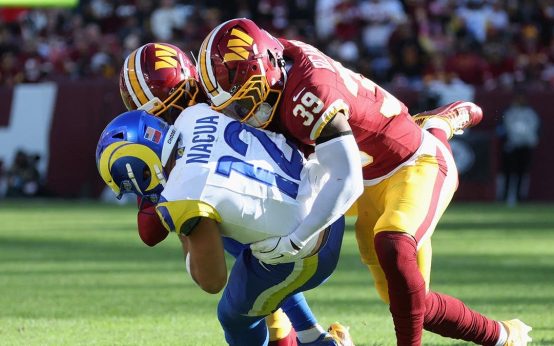 Los Angeles Rams: Puka Nacua’s Injury and Team Challenges
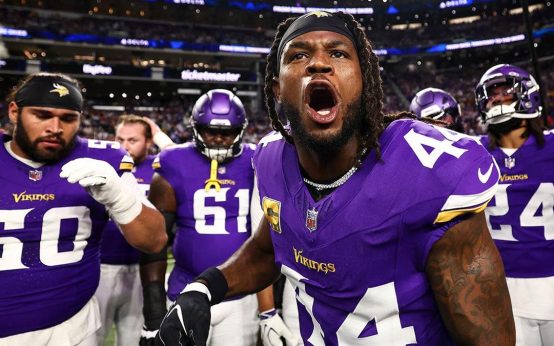 Memorable Night at U.S. Bank Stadium for Vikings Fans
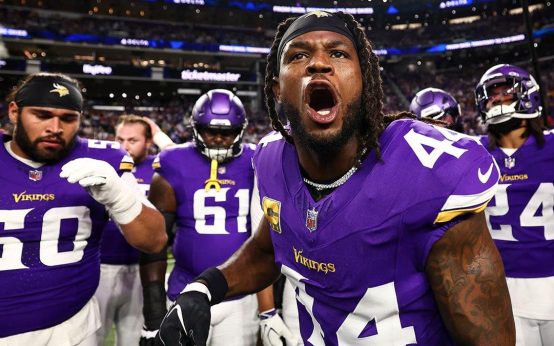 Minnesota Vikings Fans Treated to Memorable Moments During Monday Matchup
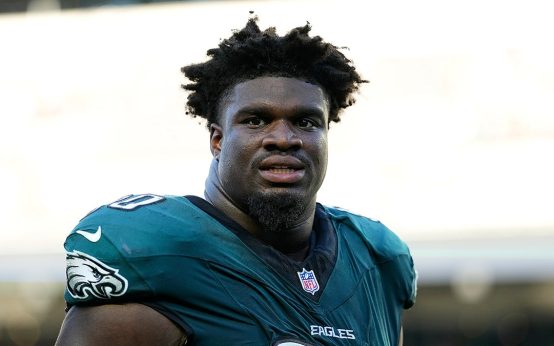 Jaguars Make Strategic Trades to Bolster Defense
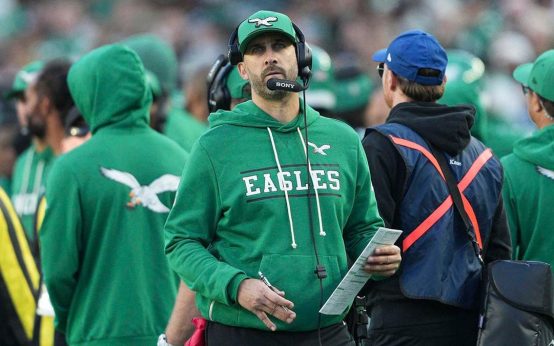 Philadelphia Eagles Struggle and Coaching Controversy
 Indianapolis Colts Face Crucial Decisions as Trade Deadline Looms