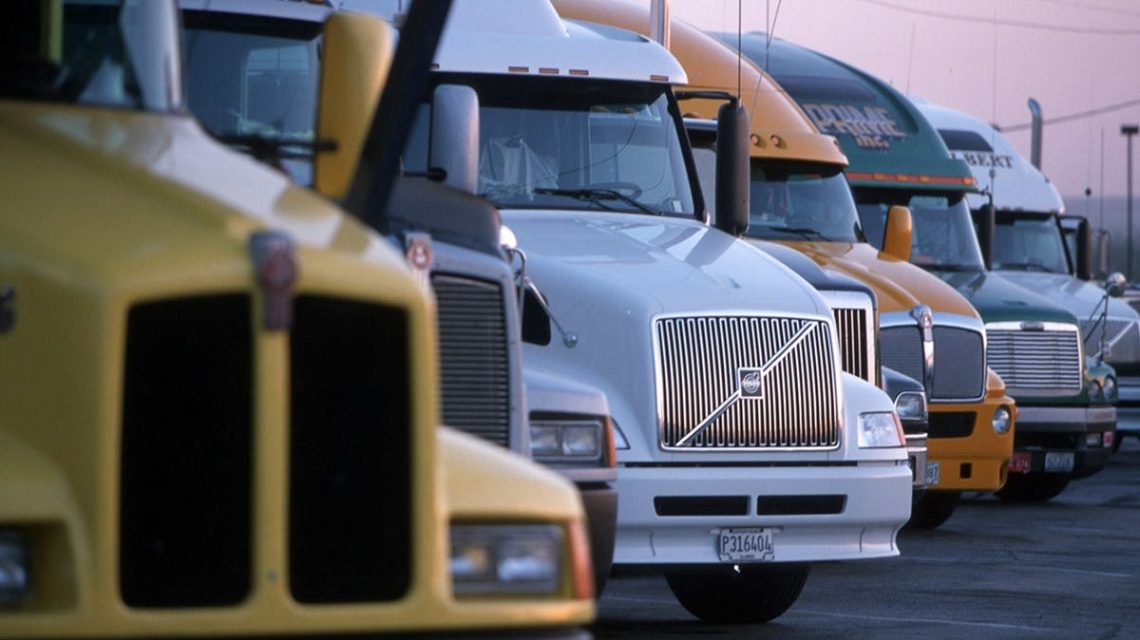
Daimler Truck has introduced new safety systems that utilize radar and cameras to monitor surrounding vehicles and help prevent dangerous collisions. These advances in big rig technology are designed to improve road safety by recognizing potential crashes and automatically applying brakes when necessary.
Understanding the Technology
The technology, Active Brake Assist 6, comes from Detroit Assurance’s advanced driver assistance systems. It employs five radar sensors and a camera to monitor the truck’s surroundings, providing approximately 270 degrees of coverage. This system identifies potential collisions and issues warnings to drivers, applying brakes if needed.
At Daimler Truck’s Oregon testing facility, engineers demonstrated scenarios such as a truck encountering a vehicle suddenly crossing its path. In some tests, the truck successfully avoided collisions, while in others, it reduced the impact by slowing down.
The Role of Cross Traffic Assist
Cross Traffic Assist enhances safety at intersections by using radar to detect vehicles crossing the truck’s path. It alerts drivers with warnings and can also brake when necessary. This feature addresses the challenge of maneuvering massive vehicles in complex traffic situations.
The system is supplemented by Active Side Guard Assist 2, which helps with left turns by detecting oncoming traffic and applying brakes if required. This complements existing technology that monitors passenger-side blind spots.
Safety Enhancements in Future Models
The improvements will become standard on Freightliner Cascadias produced from January 2027. Currently, Active Brake Assist 6 is standard on fifth-generation Cascadias.
Attentive Driver Protection System
Another feature worth noting is Attentive Driver Protection. It monitors driver responsiveness and can slow the truck to a stop if the driver becomes unresponsive. While it doesn’t diagnose emergencies, it can prevent accidents by reacting to a lack of driver response.
What This Means for Road Safety
These advancements aim to better protect both professional drivers and other road users. However, not all trucks will have these features immediately, and limitations exist, such as sensor performance in poor weather.
Road users should continue to exercise caution around big rigs, giving trucks plenty of space and avoiding areas where visibility is reduced.
Conclusion
While the technology assists in preventing collisions, it cannot replace the vigilance and care required when sharing the road with large vehicles. The enhancements aim to provide additional support, reflecting a shift in safety priorities for truck manufacturers.
 Exclusive Insight into Nvidia’s Leadership Structure as of 2025
 PwC Launches Critical Thinking Certification Amid AI Job Changes
 Can AI Possess Consciousness and Emotion?
 Nvidia’s CEO Under Scrutiny Amid Internal Investigation
 Guide to Buying Wireless Hot Spots
 Market Concerns and Strategies for Navigating AI Stock Volatility