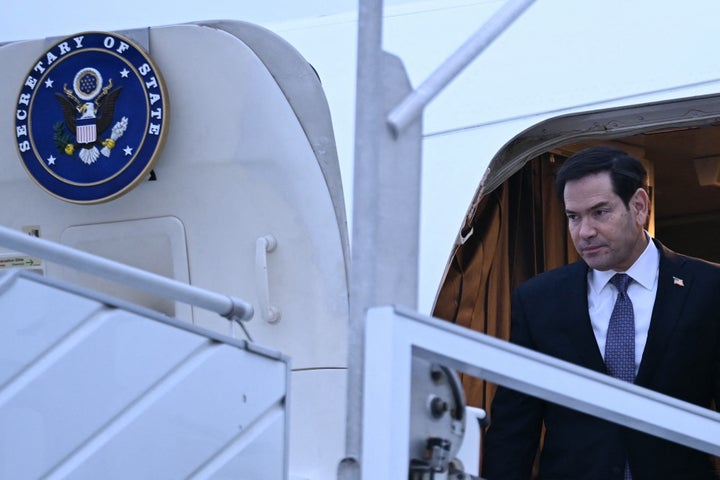
In Paris, foreign ministers from the Group of Seven (G7) industrialized democracies began a two-day meeting to address unresolved global crises. This comes as questions arise about the U.S. approach under President Donald Trump following significant Republican losses in recent midterm elections.
U.S. Secretary of State Marco Rubio will likely face inquiries about potential shifts in U.S. stances on issues including the Russia-Ukraine conflict, the Iran situation, energy security, and artificial intelligence. These topics will dominate discussions among diplomats from the U.S., Britain, Canada, France, Germany, Italy, and Japan.
This marks Rubio’s first foreign visit since the midterm elections, which resulted in a loss of Republican control in Congress. The party’s unpopular policies, such as those on the Iran war, contributed to the defeat. Meanwhile, major protests are occurring across Europe, including in Paris.
U.S. Politics and Allies’ Concerns
As Secretary Rubio arrived in Paris, he acknowledged questions from allies about the U.S. political situation. He noted that other countries have also experienced governmental divisions. Canadian Foreign Minister Anita Anand expressed uncertainty about the U.S.’s future direction, acknowledging the President’s executive powers but recognizing changes in Congress.
Despite Democratic gains, there is little indication of a shift in Trump’s strategy. His first major post-election personnel move was appointing Stephen Miller as chief of staff, a known advocate of extreme policy positions.
Focus on Ukraine and Iran
The G7 talks will significantly focus on the wars in Ukraine and Iran. Trump has mentioned a possible partnership with Europe to resolve the Russia-Ukraine war. His envoys, Steve Witkoff and Jared Kushner, will meet officials from both nations in the UAE to discuss potential solutions.
Rubio emphasized the importance of postwar security guarantees for Ukraine and Europe, stating that there have been advancements in post-conflict planning. German Foreign Minister Johann Wadephul agreed on the importance of including Europe in the resolution process, expressing gratitude for U.S. efforts to bring conflicting parties to the negotiating table.
Anand also recognized the significance of upcoming discussions in Abu Dhabi, stressing their potential to clarify a peace proposal.
On the conflict with Iran, mediation efforts have been proposed to stabilize the situation, which impacts fuel prices and regional shipping lanes. Rubio remarked that while Trump prefers diplomacy, current Iranian demands are viewed as unrealistic.
Challenges in Building Consensus
France has invited Brazil, Egypt, Saudi Arabia, and Ukraine to join certain discussions, with additional focus areas including Africa, China, Cuba, and Haiti. Meetings on artificial intelligence and Ukraine support are also scheduled.
Rubio emphasized accountability at the United Nations, suggesting ongoing U.S. demands for reform, following its withdrawal from several multilateral organizations. The Trump administration’s actions have unsettled G7 partners, particularly with regard to NATO and the International Criminal Court (ICC).
The U.S. administration is pushing to dismantle the ICC, which all G7 members apart from the U.S. support. Severe sanctions have been imposed on the ICC, citing investigations into American actions.
 Feud and Legal Battle in New York Family Dynasty
 Political Shifts and Concerns Post-Midterms
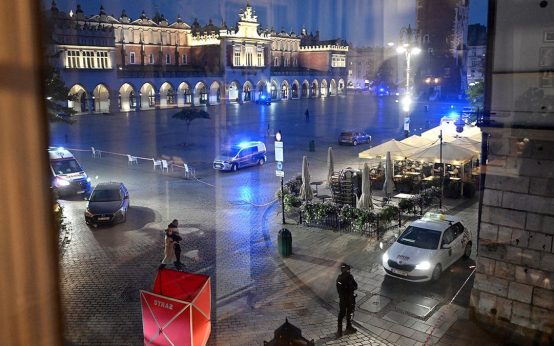 Death Toll Rises After Krakow Shooting
 Villa Vie Odyssey Faces Legal Challenges After Halting Operations
 Trump Shares AI-Generated Video Featuring UFC Personalities
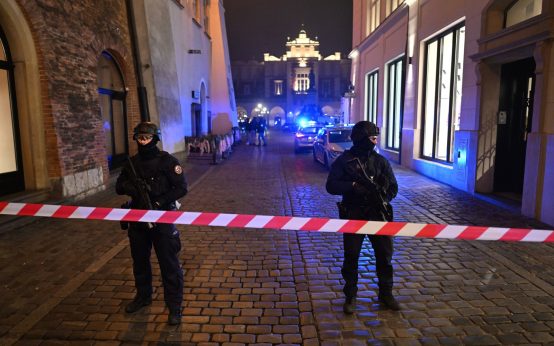 Suspected Shooter in Krakow Dies After Hospitalization