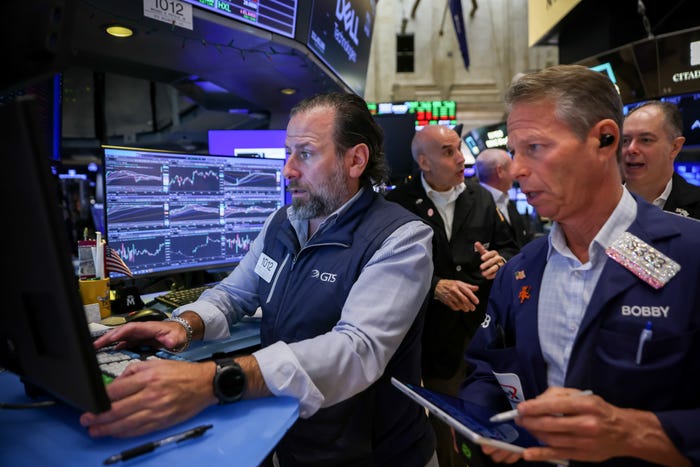
The recent turbulence in the AI industry has prompted concerns among analysts and investors. With the Nasdaq 100 experiencing a decline of more than 6%, experts warn of potential further sell-offs. Phillip Colmar of MRB Partners highlights several risks for AI stocks: challenges in monetizing AI, increased borrowing costs, public resistance to data center expansion, financial instability of major AI companies like OpenAI and Anthropic, and potential security threats from AI agents.
As these concerns grow, they may exert downward pressure on tech company valuations, complicate debt servicing for weaker firms, and endanger revenue commitments within the AI ecosystem.
Portfolio Strategies in Response to AI Volatility
High-Quality Stocks
Michael Kantrowitz from Piper Sandler emphasizes investing in high-quality stocks characterized by traits such as high return on equity and free cash flow yield. His recommendations for exposure to the tech sector amid the sell-off include Gen Digital, Accenture, Adobe, and Fortinet, among others.
Non-AI Value Stocks
Bill Smead of Smead Capital Management advises focusing on value stocks outside the AI sphere. His fund performs well without direct AI exposure, gaining 6.8% since October 8. With a potential AI trade unwinding, Smead leans towards homebuilders like DR Horton and NVR, noting their attractive valuations.
Exploring Unglamorous Sectors
Eric Teal of First Horizon Wealth Management sees promise in unglamorous market areas like small caps and energy. Diversification beyond large-cap tech stocks is crucial, he says. UBS echoes this view, favoring healthcare, financials, and industrials.
Bond Investments
UBS suggests the AI trade will recover eventually, but for immediate volatility protection, investors might consider increasing bond allocations. The bank highlights fixed-income assets, particularly high-quality bonds with short- to medium-term maturities and emerging market bonds, for their income potential and diversification benefits.
In today’s market climate, strategic portfolio adjustments can help manage risk and capitalize on potential opportunities.
 PwC Launches Critical Thinking Certification Amid AI Job Changes
 Can AI Possess Consciousness and Emotion?
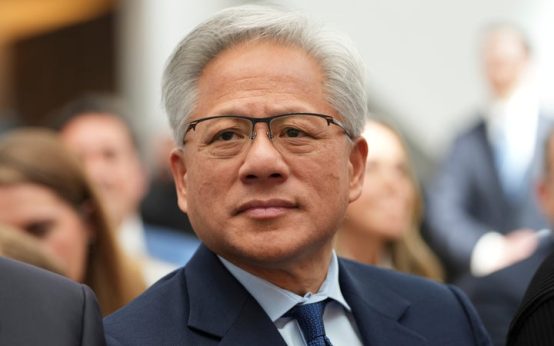 Nvidia’s CEO Under Scrutiny Amid Internal Investigation
 Guide to Buying Wireless Hot Spots
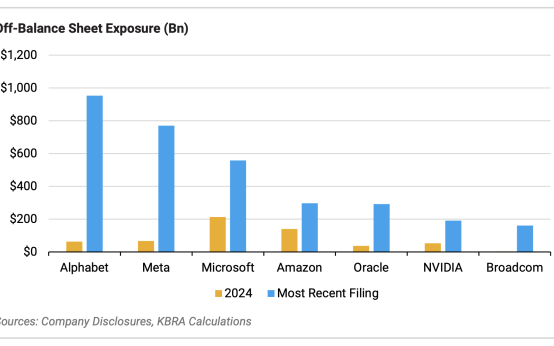 Nvidia CEO Investigated Amid Concerns and Market Reactions
 FAA’s New AI Flight Tool Faces Criticism and Defense