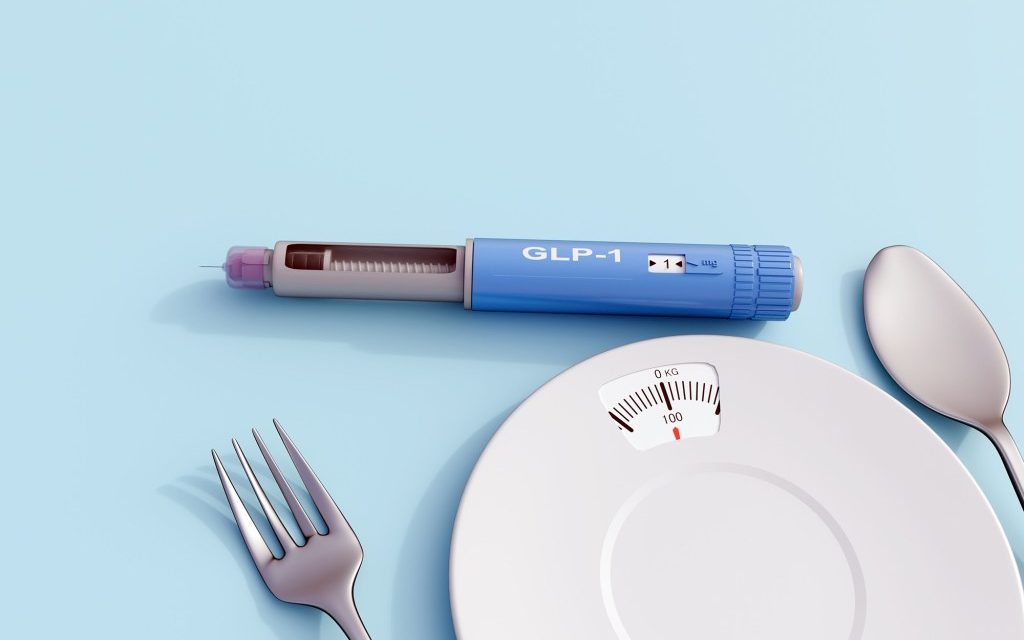
Today’s custom bathroom vanities may contain more than towels and toiletries. You might find a fridge for medications or drawers for syringes. A recent analysis by PwC shows that 21% of U.S. households now include a current GLP-1 user, rising from 9% in January 2025.
This shift impacts American homes and the way they are designed. One emerging trend is the ‘hidden kitchen,’ highlighted in the National Kitchen & Bath Association’s 2027 design forecast. While injectable medications grow in use, there is increased attention on waste. In New York City, sanitation workers report a rise in needlestick injuries. Improper needle disposal is a concern, although the specific types of needles are not tracked.
The Home Changes with GLP-1 Use
GLP-1 medications are known to decrease ‘food noise,’ leading to decreased food-related thoughts. Households notice less need for food storage and preparation space. According to PwC research, grocery spending declines by 5.5% among GLP-1 users. Homeowners are reconsidering kitchen size, opting for compact, efficient layouts instead of expansive designs.
This trend reflects a departure from past kitchen designs, like the Tuscan-style kitchens from the early 2000s, and the spacious modern farmhouses that followed. Tammy Crosby of The House Designers noted that customers on GLP-1 medications prefer smaller kitchens to free up space for other purposes. The focus is on minimalist designs, not needing oversized refrigerators or multiple ovens. There is a growing preference for unobtrusive kitchens with concealed appliances, as confirmed by the NKBA 2027 Kitchen Trends Report, where 81% of industry professionals support functional zones and 85% see cabinetry designed to hide appliances.
Impact on Bathrooms
Bathrooms are following suit, expanding for wellness activities and storage, according to the NKBA 2026 Bath Trends Report. Custom vanities may include compartments for medications and supplies, though, Tammy Crosby urges caution. She advises against assuming demand for bathroom refrigeration, despite discussions on storing GLP-1s in such spaces, suggesting these concerns may be overstated.
Household Trash and Needlestick Injuries
As GLP-1 medications quiet food noise, needle waste causes growing concerns. Needlestick injuries among New York City sanitation workers have sharply increased, tripling since 2023. In 2025, 50 incidents were recorded, compared to 23 in 2023. By October of this year, the count had reached 69.
An incident involving sanitation worker Nicholas Derenzi highlights the risks. In 2020, he sustained an injury when a discarded needle pierced his glove while collecting trash. Such injuries can pose serious health risks, requiring medical evaluation and follow-up testing.
In response, New York City plans to raise fines for improper disposal from $100 to $250 on November 9. Property owners, however, express concerns about enforcing this regulation, arguing they lack control over the waste tenants discard. The Small Property Owners of New York opposes the rule, noting the potential exposure of landlords to the injuries the regulation aims to avoid.
The Department of Sanitation insists property owners are accountable for correct trash disposal. The implementation of new residential trash bins, compatible with mechanized collection equipment, aims to minimize direct handling. However, safe source disposal remains critical. New Yorkers are legally required to dispose of sharp objects, such as needles, in puncture-resistant containers labeled ‘HOME SHARPS – NOT FOR RECYCLING.’ These can be placed in regular household trash or taken to hospitals or drop-off locations.
 The Challenges of Being a Female Massage Therapist
 10 Matching Sets for Thanksgiving: From Hosting to Relaxing
 A Journey of Friendship and Self-discovery: Celebrating 40 Years with Travel
 Restaurant Fees Spark Customer Backlash
 Insights from a Hospital Executive’s Journey Working ER Shifts
 Denim Trend Revived by Celebrities: Barrel Jeans