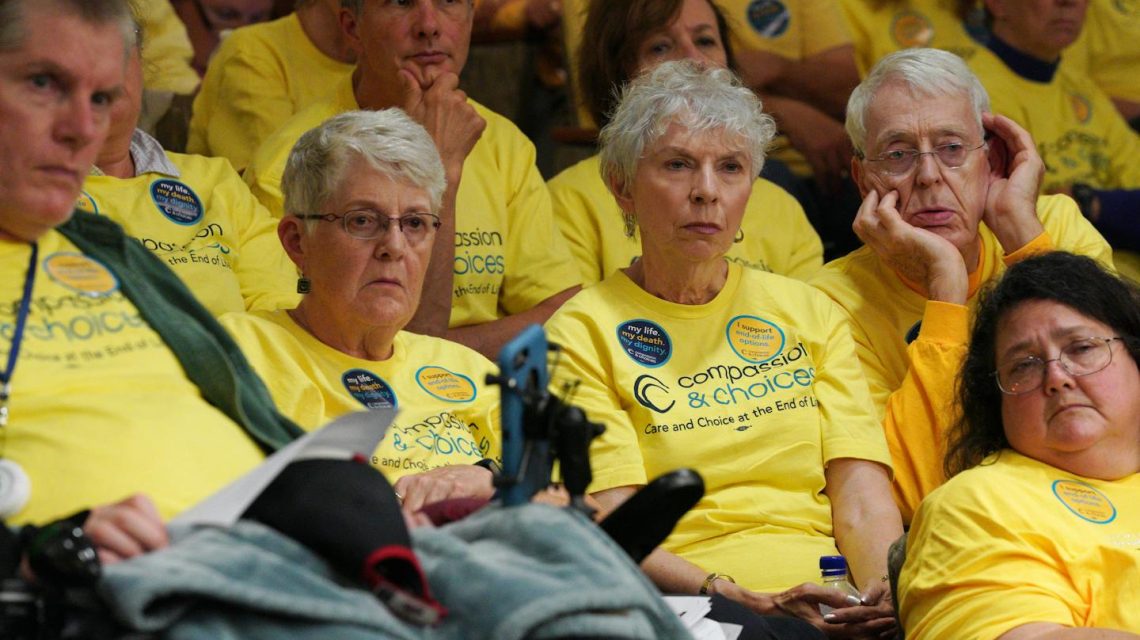
In Minnesota, discussions about medical aid in dying continue amid diverse opinions. Supporters and critics voiced their thoughts during an informal hearing about the End-of-Life Act. This legislation seeks to allow terminally ill individuals to make choices about their death. The debate isn’t merely political but deeply personal and ethical.
Karen Tolkkinen’s recent column highlighted the heart-wrenching experience of witnessing a loved one’s end-of-life suffering. Her sister’s final moments spurred her advocacy for medical aid in dying. Many Minnesotans wonder why some politicians, particularly Republicans, resist such legislation. They question how a party valuing personal freedom can oppose this choice.
Some argue the legislation conflicts with religious beliefs. However, many Minnesotans emphasize that the U.S. and state constitutions are secular, requiring governance free from religious influence. Those supporting the act believe it provides dignity and control for terminally ill, cognitively sound adults.
The proposed legislation includes safeguards. It addresses concerns about individuals lacking mental capacity and respects medical professionals with ethical objections to participate.
Steven Petersen from Shoreview, a secular humanist, supports the legislation, emphasizing the importance of choice and control for those near the end of life.
Meanwhile, young voters express frustration over their political understanding. Two young contributors to the Star Tribune shared their challenges navigating political choices. Teresa Fishel from St. Paul lamented that unlike past generations, today’s youth grapple with too much information and biased media. She noted that without adequate preparation, young voters risk repeating established voting patterns.
Fishel highlighted qualities of good leaders as humility, empathy, kindness, and a commitment to improving others’ lives. She urged younger voters to uncover resources to better equip themselves for informed voting.
Turning to space matters, Earl Faulkner Sr. of Edina raised concerns about the dangers posed by space debris. A recently crashed telescope prompted questions about potential risks. The possibility of debris causing fires or injuries worries some. Legal frameworks like the 1972 Convention on International Liability for Damage Caused by Space Objects assign responsibility to nations launching space objects. Nonetheless, vigilance remains essential.
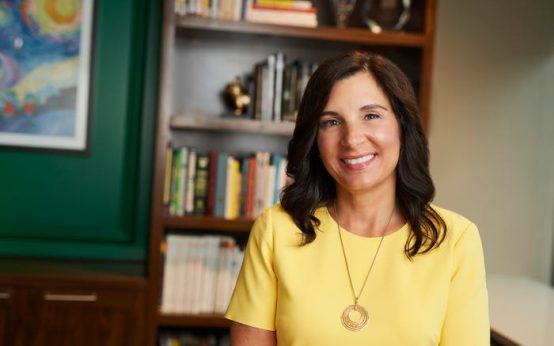 Insights from a Hospital Executive’s Journey Working ER Shifts
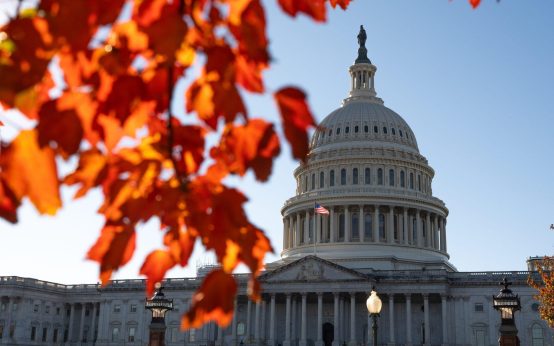 Blueprint for GOP Renewal: Lessons from Ballot Measures
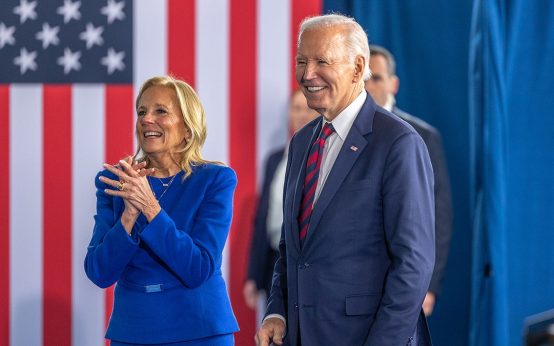 Biden Reflects on Memoir and Health Challenges
 Former Aide Criticizes Trump’s Advisers on Health Initiatives
 From Flight Attendant to Content Receptionist: Embracing Simplicity
 A Different Approach to Aging and Beauty