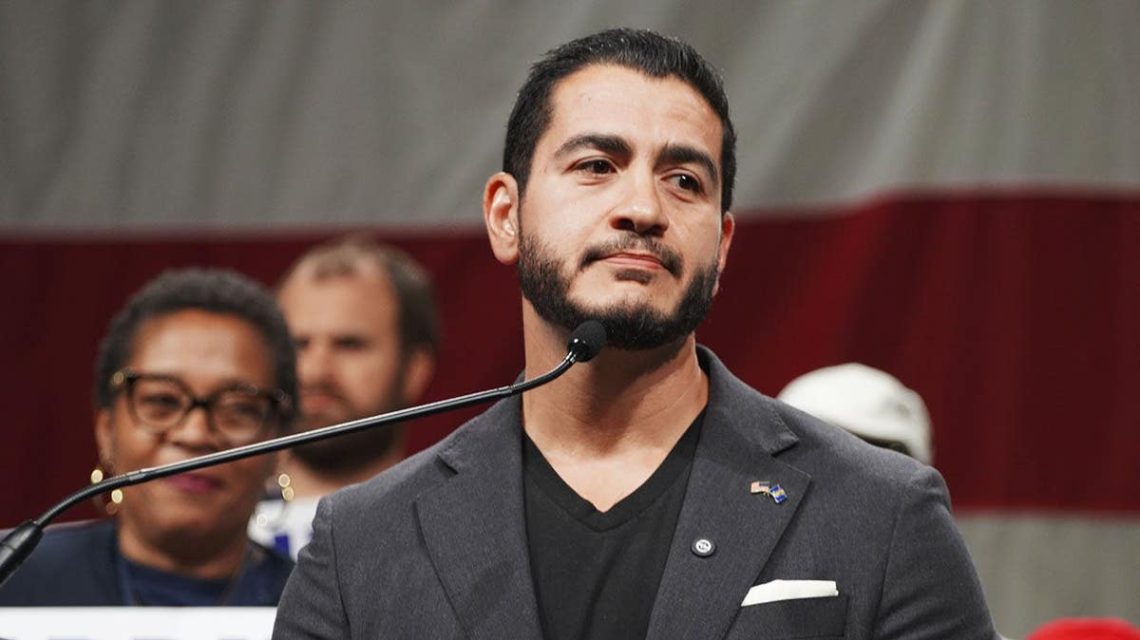
Abdul El-Sayed, the Democratic senator-elect from Michigan, acknowledged accusations of overconfidence during his winning campaign against Republican Mike Rogers. He argued this approach was necessary to counteract President Donald Trump’s style of communication. El-Sayed shared these thoughts during a discussion on the podcast Pod Save America.
Jon Favreau, the podcast host, highlighted El-Sayed’s earlier prediction of a seven-point victory. “How do you see yourself?” Favreau inquired. El-Sayed responded by emphasizing the importance of engaging with Trump as an unserious opponent.
“I think there is a responsibility that we have to engage with [Trump] as the unserious fool that he is,” El-Sayed replied.
This interaction provides insight into El-Sayed’s campaign philosophy. He indicated Democrats must adopt a more assertive tone to challenge Trump’s influence in politics. El-Sayed suggested current political communication norms have been altered by Trump, and Democrats need not follow traditional decorum.
El-Sayed stated, “I just think there’s a responsibility for us to walk out of ‘The West Wing’ episode that our politics used to feel like and into the reality of where we are.” Referring to Trump’s influence, he drew a parallel to dealing with a room bully, asserting the need to confront the problem head-on.
El-Sayed has consistently criticized Trump’s contribution to aggressive political rhetoric. This critique was evident even before his Senate run. In 2020, he accused Trump of inspiring a failed kidnapping plot against Governor Gretchen Whitmer. El-Sayed referred to those involved as terrorists and stressed the need to understand their radicalization.
“These are terrorists; we have to call them that. We have to recognize that that is what the face of terrorism looks like right now. We have to step up against it,” El-Sayed said.
While Trump did not directly incite violence against Whitmer, a tweet made by him months prior to the plot raised concerns. Trump’s message “LIBERATE MICHIGAN!” followed by similar statements about Virginia and Minnesota was noted by El-Sayed as indicative of broader cultural toxicity.
“The idea that people would threaten her safety because she was willing to stand up to keep us all healthy is, to me, the example of what the kind of toxicity that we see out of Donald Trump creates,” El-Sayed concluded.
The FBI acknowledged that the plot against Whitmer originated before Trump’s post, yet El-Sayed maintained Trump’s words contributed to a dangerous environment.
El-Sayed’s spokesperson did not respond to questions about the limits of acceptable rhetoric for Democrats. El-Sayed will officially join the U.S. Senate on January 3, 2027, at the beginning of the 120th Congress.
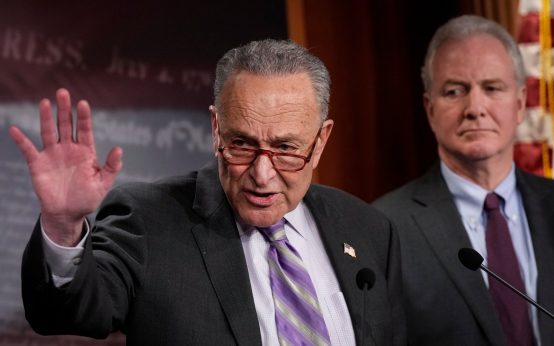 Chuck Schumer Faces Potential Leadership Challenge from Chris Van Hollen
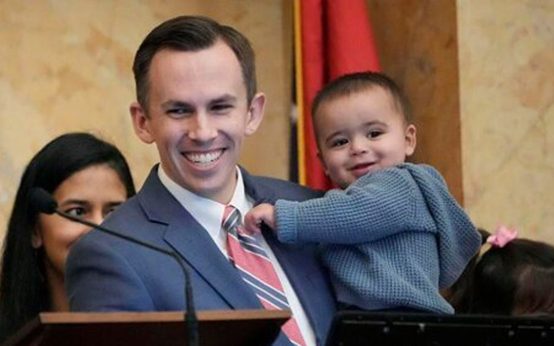 Mississippi State Auditor Shad White Announces Gubernatorial Bid
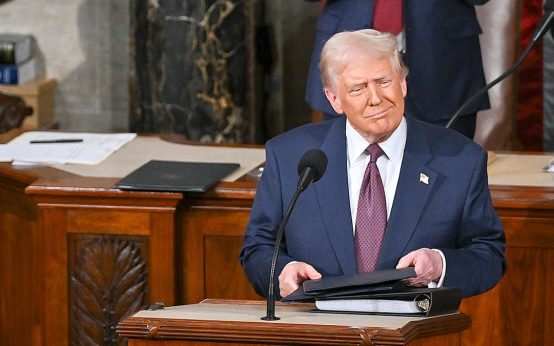 Trump Dismisses Third Impeachment Prospects
 Custody Dispute Involving Rep. Max Miller Delayed
 Attorney General Addresses Post-Midterm Democratic Threats
 Senator Elizabeth Warren and the Future of Crypto Regulation