
As temperatures rise and urban development expands, the U.S. faces a growing threat from wildfires. Recent studies indicate that the number of homes and structures lost to wildfires may triple by mid-century. The 2026 wildfire season has highlighted the need to protect homes and properties from these increasing risks.
The 2026 Western Fire Season
The 2026 wildfire season began with unusually low mountain snowpacks and early snowmelt, causing extreme warmth across the western states. Even before reaching record-setting summer temperatures, drought conditions intensified, sparking widespread fires. The Aspen Acres Fire in Colorado destroyed hundreds of structures in June. Four firefighters tragically died during the Knowles Fire near the Colorado-Utah border in July. Washington’s Spokane was hit in August, with wind-driven fires damaging over 800 homes and displacing thousands.
Despite the challenges, Colorado experienced some relief as the summer monsoon brought rain, aiding firefighting efforts. However, by late October, Colorado fires had still burned over 318,000 acres, nearly double its historical annual average. Nationwide, the total burned area surpassed averages, with the U.S. at Preparedness Level 5 for 48 consecutive days, straining firefighting resources.
Reasons for Rising Fire Risk
Fire naturally plays a role in many ecosystems, aiding in vegetation shaping and biodiversity. However, a century of fire suppression has led to dry vegetation accumulation in forests historically accustomed to regular fires. Human-induced temperature increases from fossil fuel emissions have accelerated moisture loss from the land, drying soils and vegetation further. This drying nearly doubled the area burned in western U.S. forests from 1984 to 2015.
More people now inhabit wildland edges, raising the potential for fire threats to neighborhoods. Human activities have prolonged the fire season beyond summer, when most lightning-caused fires occur. Fires can now start year-round due to power lines, vehicles, machinery, debris burning, and campfires. These factors have contributed to quadrupling the annual burn area in the western U.S. since 2000 and fuel fast-growing fires that can outpace emergency response.
A 2024 study using satellite imagery from 2001 to 2020 highlights that “fast fires,” burning over 4,000 acres in a single day, comprised only 2.7% of analyzed fires yet accounted for 78% of structures destroyed and 61% of firefighting costs. A brief but intense fire growth can significantly determine overall destruction, even if the eventual fire size remains small.
Increasing Development in Fire-Prone Areas
The U.S. has seen more people and structures moving into fire-prone areas, increasing the risk of wildfire damage. Since 1945, development in high-risk wildfire regions has expanded tenfold, exposing more humans to potential fires and adding ignition sources. Embers can easily spread fire between buildings once they enter neighborhoods.
Current research suggests that, without interventions, the number of structures damaged by wildfires each year could nearly triple by mid-century, potentially losing up to 449,000 structures between 2026 and 2060. Modeling future fire risks, factoring in weather and climate changes, indicates that low-income western neighborhoods face increased risks. In these communities, individuals may struggle with fire prevention investments, insurance costs, and post-fire recovery.
Reducing Wildfire Risks
Though projections are alarming, actual losses depend on proactive measures. Homes can become less prone to fire by installing Class A fire-resistant roofs and ember-resistant vents, preventing burning particles from entering. Removing flammable materials around homes helps stop fire spread. Many low-income homeowner assistance programs exist to help improve fire safety.
Constructing wildfire-resilient homes is often less expensive than anticipated. Research into new home construction in Colorado revealed that following the fire code’s protection levels raises costs by 0.6% to 4.2%. More affordable materials and educational resources can aid communities in achieving greater resilience.
Building design is crucial, but broader strategies like prescribed burns and forest-thinning help manage fuels before fires approach. Utility companies can strengthen systems against ignition and reduce preventive power shutdowns. Insurance incentives for risk reduction can support community-wide safety improvements.
The probability of home loss depends on its construction, surroundings, and local neighborhood. Customized strategies addressing specific environmental, social, and economic conditions are vital for managing wildfire risks effectively as threats evolve.
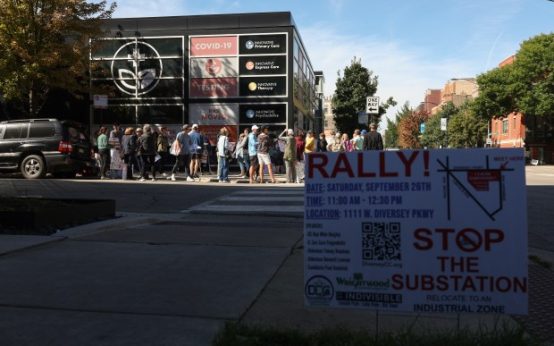 North Siders Debate Over Proposed Electrical Substation
 Cumberland Island Land Swap Proposal Sparks Controversy
 Rethinking Flood Risk in Residential Areas
 Community Activist Reshapes Local Politics in Prince George’s County
 John Denver’s Legacy: A Conservation Triumph in Colorado
 AI Technology Aims to Boost Honey Production Amid Bee Colony Challenges