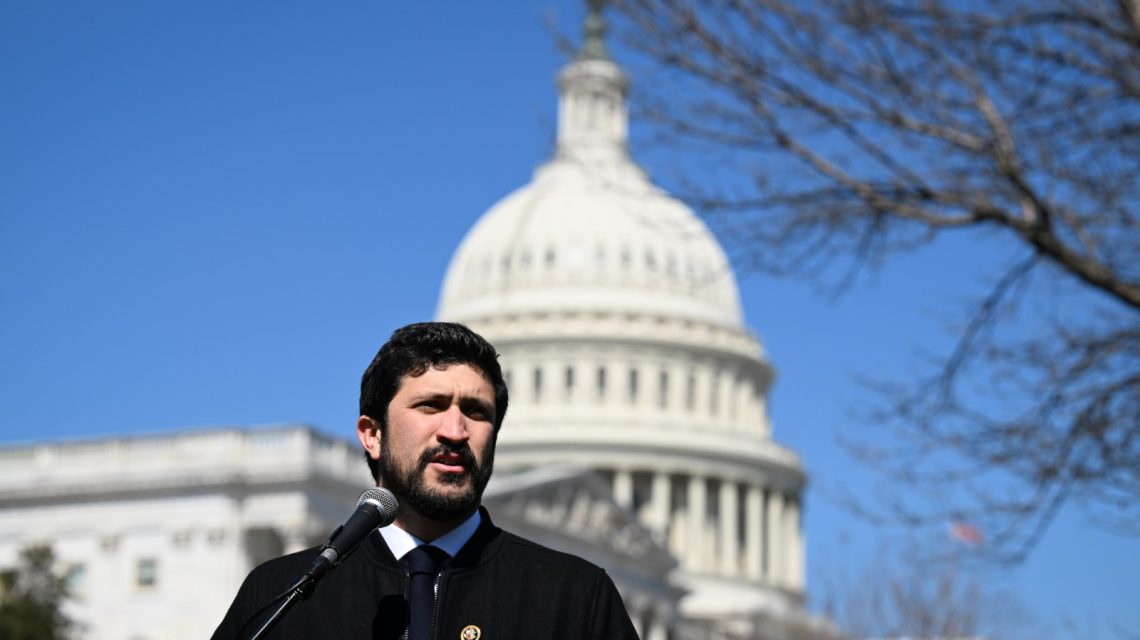
Progressive members of Congress are formulating a strategy for Democrats to use their House majority effectively. They aim to press President Donald Trump on economic promises such as reducing prescription drug costs and addressing credit card interest rates. Representative Greg Casar of Texas, who chairs the Congressional Progressive Caucus (CPC), presented this approach in a memo to caucus members, as reported by Politico.
The CPC expects over 105 members in the upcoming Congress, including a significant number from districts that previously leaned Republican. “Our members now have positions in key committees and leadership roles,” Casar stated.
The strategy involves a three-part plan: advancing progressive policies, conducting oversight on corporations and the Trump administration, and holding Trump accountable for his economic commitments.
White House spokesperson Matthew Middleton responded by expressing Trump’s willingness to collaborate across parties on economic issues. “Under President Trump’s leadership, significant tax cuts for the working class have been signed, prescription costs reduced, over a million private-sector jobs created, and numerous trade deals secured,” Middleton highlighted.
Democratic House Majority: Impacts Regarding Progressive Strategy
The Democrats secured control of both chambers in the midterm elections, projected to finish with around 255 House seats. This majority size has raised queries on individual faction leverage. While Democratic leaders can afford to lose some votes, individual factions might find less sway than with a slender majority.
Casar challenged this interpretation. “Large majorities facilitate significant accomplishments. Our aim is not internal battles but enacting progressive goals reducing costs, rooting out corruption, and enhancing wages.”
Within the party, debates have emerged over the midterm results’ implications. Progressives highlight left-leaning victories as proof of economic-populist strategies, while moderates emphasize wins in traditionally Republican areas as indicative of broader appeal.
Casar’s memo positions larger majorities favorably against corporate interests and promotes a legislative approach over intraparty conflicts. “A sizable majority helps bypass corporate special interests blocking popular policies,” he noted, distinguishing Congressional progressives from the conservative Freedom Caucus.
Exploring Economic Cooperation With Trump
Casar suggests Democrats identify areas of economic alignment with Trump and draft legislation accordingly. An example is the housing proposal by Senator Elizabeth Warren and Representative Maxine Waters, targeting private equity home purchases.
The memo recommends holding Trump to pledges about credit card interest rates, fees, and prescription drug costs. Trump’s comments about not wanting to consistently veto bills were also noted.
Casar emphasized sending cost-lowering and wage-raising bills to Trump’s desk. If signed, they are beneficial; if vetoed, they strengthen prospects for continued Democratic control and future Democratic presidential support.
Corporate Oversight and Trump Investigations
The strategy extends beyond legislation to extensive congressional oversight. Casar urges Democrats to pursue oversight aggressively, focusing on the Trump administration and allies, as well as corporations.
He targeted companies allegedly exploiting consumer data, healthcare firms misusing Medicare Advantage, and AI companies risking jobs and safety. Casar demands strong oversight roles to prevent consumer and worker exploitation.
This focus seeks to show Americans that Democrats stand for workers and consumers, not just against Trump. After an electoral gain in Washington, the distinction between opposing Trump and advocating for collective welfare is vital.
Casar’s memo includes aims to enhance wages, expand Social Security and Medicare, reverse cuts to healthcare and SNAP, oppose Trump’s tariffs, and support workers’ rights and union strength. Though initial attention will be on Democrats’ first 100 days, Casar stresses that a comprehensive legislative agenda must extend through the full term.
 Trump Dismisses Third Impeachment Prospects
 Custody Dispute Involving Rep. Max Miller Delayed
 Attorney General Addresses Post-Midterm Democratic Threats
 Senator Elizabeth Warren and the Future of Crypto Regulation
 Bipartisan Opportunities in Foreign Policy
 Political Shifts and Concerns Post-Midterms