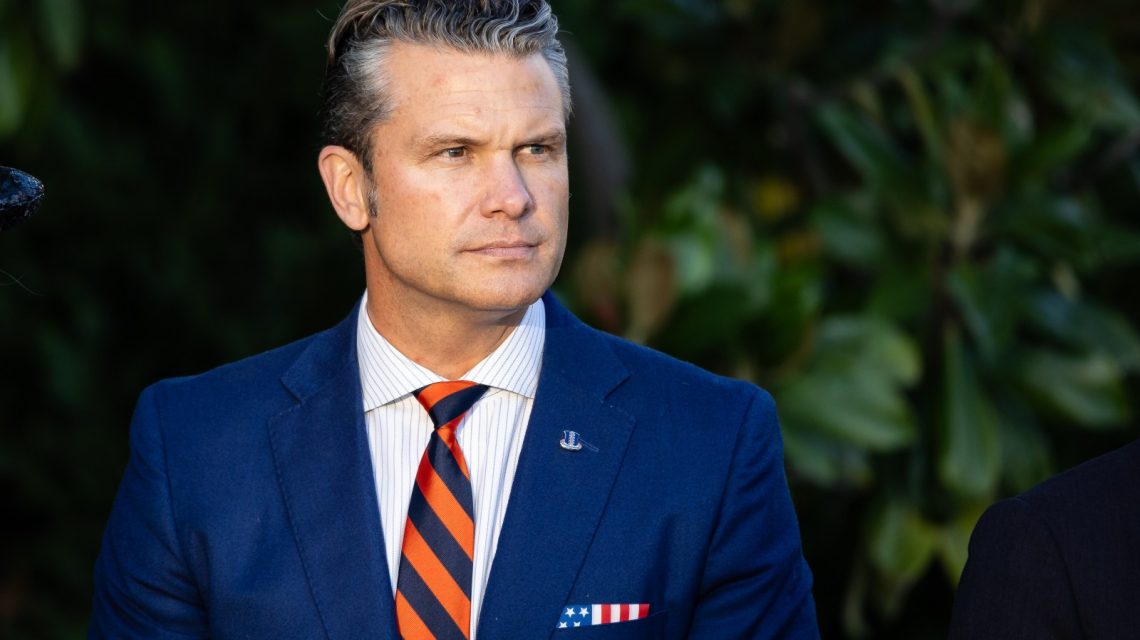
Tensions escalate for Defense Secretary Pete Hegseth as bipartisan criticism grows. Republican Representative Thomas Massie is preparing to push for a House impeachment vote soon. Democrats also plan to intensify scrutiny once they control Congress in January. Republican Representative James Comer recently criticized Hegseth’s leadership and the Trump administration’s Iran strategy, expressing concerns from Republican voters about the conflict.
In an interview with NewsNation, Comer was asked about the possibility of Democrats introducing articles of impeachment and his stance on new Pentagon leadership. Comer stated, “That’s going to be a decision that President Trump’s going to have to make,” indicating a high level of uncertainty about Hegseth’s future amid Republican midterm election losses and the ongoing Iran conflict.
Comer’s comments suggest growing unease about the Trump’s administration’s approach to Iran and its ramifications on U.S. politics. The Iran war is a contentious political issue, with numerous Republican voters expressing dissatisfaction with current policies.
Reasons for Hegseth’s Impeachment
Thomas Massie, a Republican from Kentucky, plans to reintroduce his impeachment resolution for a House vote when lawmakers reconvene. His resolution lists eight articles, including allegations related to Hegseth’s handling of the Iran war and the administration’s military actions without congressional approval. Massie accuses Hegseth of violating the War Powers Resolution and disregarding congressional authority over military decisions.
Massie criticized Hegseth for firing senior military officials and mishandling sensitive military information. He expressed dissatisfaction with Hegseth’s competence and decisions, extending his criticism to social media, where he called out Hegseth’s “incompetence” and “bad advice.” Massie’s impeachment move may be a precursor to broader Democratic efforts when they take control of Congress.
Potential Trump Reaction
Brookings Institution fellow Kathryn Dunn Tenpas noted that President Trump might need to consider firing Hegseth to mitigate political fallout when Democrats assume control of Congress. She referenced Hegseth as a “lightning rod for controversy,” suggesting that removing him could ease some of the ongoing tension. However, Tenpas cautioned that dismissing Hegseth would not eliminate congressional inquiries but might reduce controversy within the administration.
Support for Impeachment and Potential Replacement
Massie’s earlier introduction of impeachment articles against Hegseth has received bipartisan support, with Democrats expressing that Hegseth will remain under scrutiny. Democratic Representative Jason Crow called out Hegseth’s incompetence and corruption, asserting it compromised national security. James Walkinshaw, a Democrat from Virginia, also declared his support for impeachment.
The Senate has also seen criticism, with Senator Thom Tillis expressing regret over his vote for Hegseth’s confirmation, arguing that Hegseth’s strained relationship with Congress complicates Pentagon funding efforts.
Senator Ted Cruz has anticipated an impeachment effort advancing before the new Congress takes office. Impeachment only requires a House majority, but a Senate trial necessitates a two-thirds majority for removal.
Speculation grows over potential successors for Hegseth. Among the names considered is Republican Florida Governor Ron DeSantis. With Republicans holding a Senate majority during the lame-duck period, Trump could confirm a replacement before Democrats take over. However, no successor has been announced, and Trump has publicly defended Hegseth.
Public Defense and Future Considerations
Pete Hegseth recently countered Massie’s efforts, describing them as a political tactic and refusing resignation. He questioned the motives behind the impeachment articles, likening them to attacks on President Trump.
Hegseth defended the administration’s military actions in Iran and urged congressional approval for the Pentagon’s budget requests. Meanwhile, Trump, when addressing reporters, expressed continued support for Hegseth and criticized Massie’s intentions.
Decisions around Hegseth’s future intertwine with the political landscape, transition to Democratic control, and responses to Iran-related policies. Discussions within the administration about potential appointments and strategies remain ongoing.
Background on Pete Hegseth
Born June 6, 1980, in Minneapolis, Minnesota, Pete Hegseth grew up in Forest Lake. He graduated from Princeton University in 2003, served as an Army National Guard infantry officer, and worked as a conservative commentator. Hegseth was appointed as the 29th Defense Secretary in January 2025.
His current political status primarily depends on President Trump’s decisions amidst surrounding controversies.
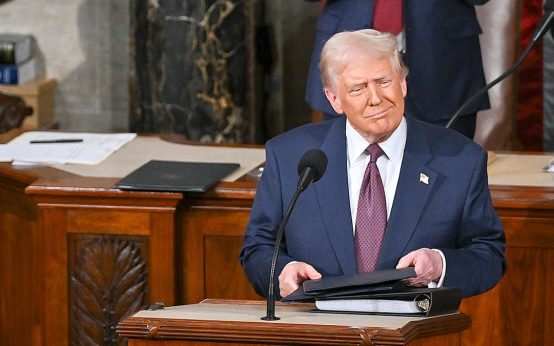 Trump Dismisses Third Impeachment Prospects
 Custody Dispute Involving Rep. Max Miller Delayed
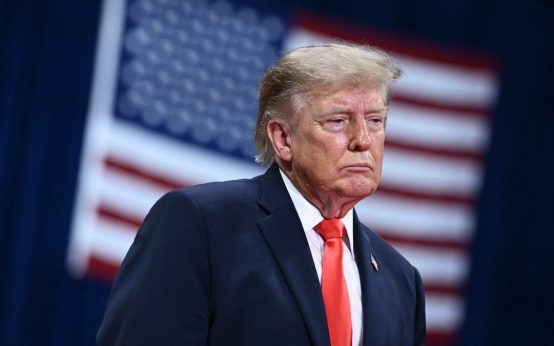 Attorney General Addresses Post-Midterm Democratic Threats
 Senator Elizabeth Warren and the Future of Crypto Regulation
 Bipartisan Opportunities in Foreign Policy
 Political Shifts and Concerns Post-Midterms