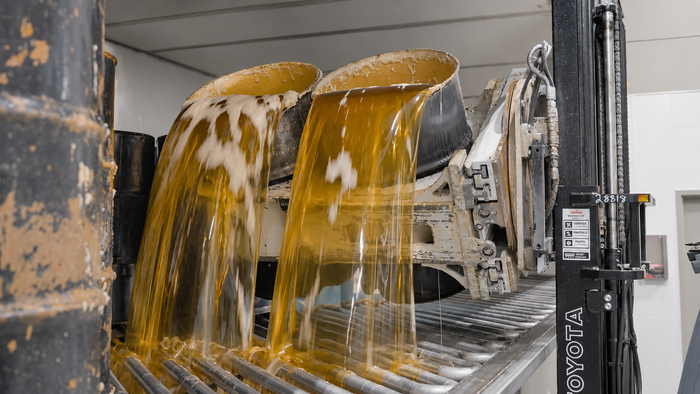
Each year, Americans consume over 600 million pounds of honey. To satisfy this demand, the United States imports honey due to insufficient domestic production. Honey production is critically dependent on the health of bee colonies. However, these colonies face significant challenges, leading to the annual loss of about 50% of bee colonies across the country.
Several factors contribute to this decline. Pests, notably the Varroa mite, pose severe threats to the health of bee colonies. Additionally, frequent relocation of beehives exacerbates their vulnerability. In response to these issues, companies like Nate’s Honey and Sweet Harvest Foods are exploring innovative solutions.
These companies are integrating artificial intelligence to maintain bee health. They employ AI detection devices designed to monitor the sounds produced by hives. These sound patterns can indicate the health condition of the hives. Further, they have introduced a robotic hive system. This technology is instrumental in identifying the presence and spread of mites.
The question arises: can these technological advancements meaningfully increase honey production in the United States? As these innovations develop, they offer a promising approach to overcoming the current challenges faced by bee colonies.
 PwC Launches Critical Thinking Certification Amid AI Job Changes
 Can AI Possess Consciousness and Emotion?
 Nvidia’s CEO Under Scrutiny Amid Internal Investigation
 Guide to Buying Wireless Hot Spots
 North Siders Debate Over Proposed Electrical Substation
 Market Concerns and Strategies for Navigating AI Stock Volatility