
This week’s midterm elections served as a crucial assessment for pre-election polls. Over the past decade, these polls have undergone notable modifications due to previous inaccuracies during elections. The primary question now is: how effective were they in predicting this election’s outcomes?
Pre-election polls have long faced challenges in accuracy. Adjustments have been made to improve precision. This includes changes in sampling techniques and methodologies. Pollsters aimed to enhance their predictions and regain public trust.
Evaluating Poll Performance
Pollsters utilized new approaches to better reflect the voting public’s opinions. Many focused on demographic shifts and voter turnout patterns. These factors are vital in understanding election trends.
Some common adjustments include:
- Improved sampling to ensure diverse representation.
- Incorporation of new technologies to gather data.
- Adaptation of weighting techniques based on historical voter behavior.
Despite these efforts, the ultimate judge of their success is the comparison between predicted and actual election results.
Learning from the Past
Throughout the past elections, pollsters have learned valuable lessons. Mistakes have led to continual modifications. The goal is to minimize the gap between forecasts and reality.
The continuous evolution of polling practices highlights the dynamic nature of public opinion assessment. Pollsters remain committed to refining their methodologies to enhance accuracy in future elections.
Stay informed on how these adjustments impact future polling predictions, as the polling industry learns and evolves from each election cycle.
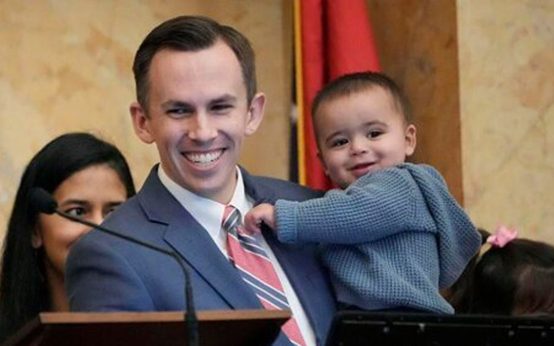 Mississippi State Auditor Shad White Announces Gubernatorial Bid
 Trump Dismisses Third Impeachment Prospects
 Custody Dispute Involving Rep. Max Miller Delayed
 Attorney General Addresses Post-Midterm Democratic Threats
 Senator Elizabeth Warren and the Future of Crypto Regulation
 Bipartisan Opportunities in Foreign Policy