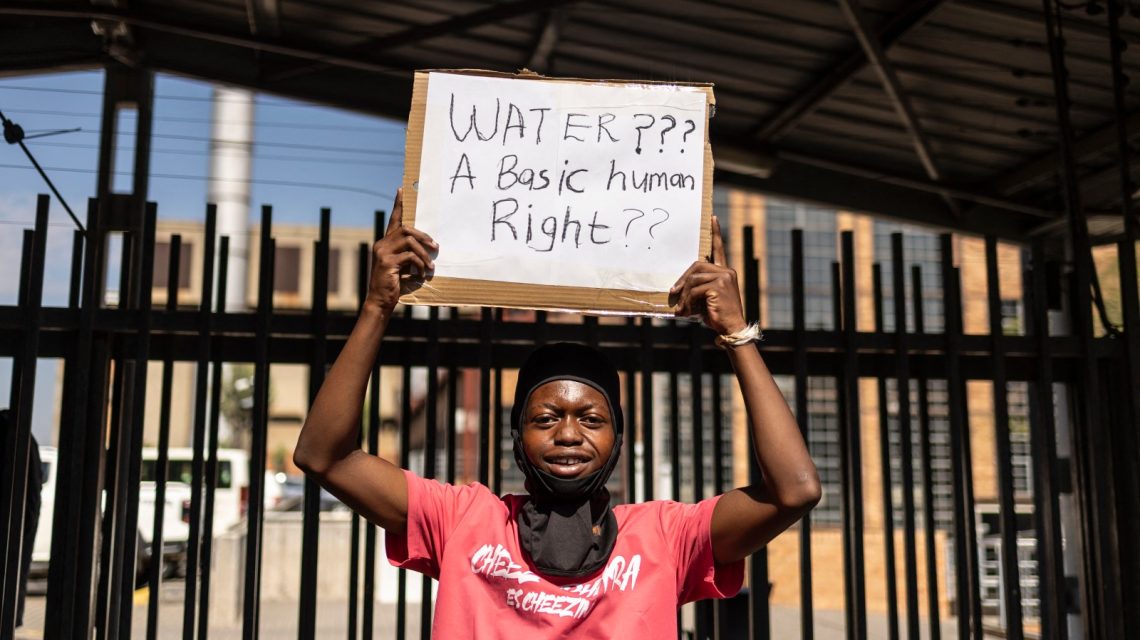
Johannesburg is facing a severe water crisis with residents experiencing over a week without running water. The city’s approximately 6.2 million residents deal with severely limited water systems, prompting authorities to propose new restrictions, including supply cuts in certain areas. The crisis has gained significant attention online, highlighted by a viral social media post attracting millions of views.
Day-to-Day Impact
Water shortages have drastically altered daily life in Johannesburg. For instance, Sharlene Smith, a 59-year-old resident, expressed her struggle to obtain water in unsafe conditions to support her elderly mother. Businesses are similarly affected, with one coffee shop owner spending daily profits on refilling backup water tanks.
Political Context
The crisis coincides with local elections, bringing service delivery to the forefront of South African politics. Authorities are under pressure to address the issue as water service interruptions become a major election topic.
Infrastructure Challenges
Craig Sheridan from the University of the Witwatersrand highlights issues in getting water from local dams to city taps due to neglected infrastructure. Pipes, reservoirs, and towers suffer from disrepair, resulting in significant water loss.
Former water affairs director, Mike Muller, points out that Johannesburg isn’t short on water, as regional dams are full. However, the city’s aging distribution network loses over 30% of supplied water to leaks.
Local Government Response
Mayor Dada Morero attributed prolonged disruptions to rapid water usage and labor disputes delaying necessary interventions. Despite water storage levels improving slightly, some households have suffered dry taps for over ten days.
To address immediate needs, Johannesburg Water plans to deploy a fleet of water tankers to deliver water to informal settlements while also stating that higher water demands are straining reservoirs.
Understanding the Water Supply System
Johannesburg’s unique situation as an industrial city not situated on a river presents logistical challenges. Sheridan notes the city’s extensive and poorly maintained network of pipes and reservoirs is insufficient for current demands.
Anja du Plessis from the University of South Africa remarks on the efficiency issues within the distribution network, exacerbated by power outages affecting water movement.
Proposed Solutions
Current Level 1 water restrictions, in effect since September, limit certain activities like garden watering. Proposed Level 2 restrictions may offer stricter controls to manage consumption.
Sheridan advocates for prioritizing maintenance to reduce leaks, potentially increasing available water by 30-40%. He calls for reforms in billing to encourage water conservation.
Political Complications
Since 2016, Johannesburg’s coalition governance has complicated consistent maintenance efforts, as political instability leads to inadequate upkeep.
Muller emphasizes the unanimous recognition of the need to repair leaks, making infrastructure repair a primary concern for future city governance.
Johannesburg Water is committed to leak detection, pipe repair, and infrastructure rehabilitation, urging residents to lower water consumption to aid recovery.
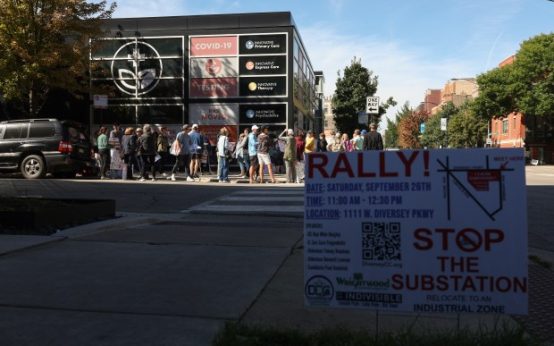 North Siders Debate Over Proposed Electrical Substation
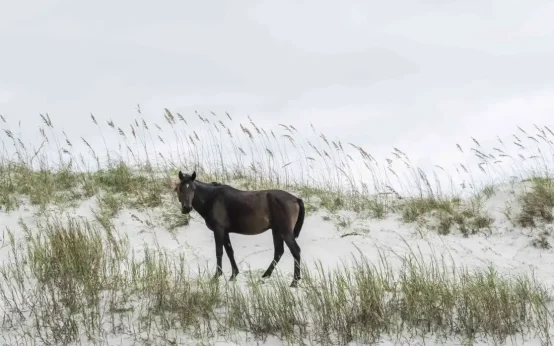 Cumberland Island Land Swap Proposal Sparks Controversy
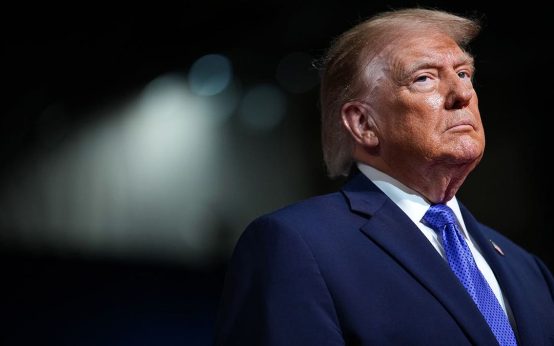 Trump and Vance Discuss Republican Midterm Losses
 Train Collision in Egypt Leaves Seven Dead and Numerous Injured
 Tensions Escalate in Philadelphia Over Boycott of Jewish-Owned Restaurants
 Various News Updates